


Gourmet panorama around Draguignan
Between vineyards, hills, and perched villages, the Var hinterland offers, just a few kilometers from Draguignan, a gastronomic scene of astonishing density. From Lorgues to Les Arcs, from Callas to Tourtour, iconic houses and author tables showcase a cuisine of identity, rooted in the Provence but open to contemporary inspirations. There is a masterful emphasis on vegetables, a love for sauces and precise juices, an extreme attention to marine products and meats from the hinterland, and that extra soul that the seasons provide, so distinct in Provence. It is a territory where one can traverse, in just a few minutes, large vineyards with shaded terraces, inns with cozy rooms, and stone bastides with grand panoramas.
Flagship tables in the heart of Dracénie
Le Jardin de Berne, elegance in the heart of the vineyards
In the setting of a vast vineyard, the gastronomic table of Château de Berne is one of the must-visit addresses in the immediate vicinity of Draguignan. The arrival along the cypress-lined driveway, the blonde stones, the Mediterranean vegetation, and the permaculture garden set the tone for a cuisine that cultivates a sense of place. At the table, one finds clear plates, composed around the harvest of the day: heirloom tomatoes mixed with garden herbs in the beautiful season, green asparagus at the peak of spring, trumpet zucchini and stuffed flowers in their purest expression, or even confit purple artichokes. The cooking is precise, the juices clear, and the aromatic touch—Thai basil, savory, marjoram, wild fennel—sculpts the flavors without ever masking them.
The service accompanies with gentleness and mastery, very attentive to the rhythms of the table and the desires of the moment. The food-wine pairings naturally favor the estate's cuvées, but the menu opens up to the entire spectrum of Côtes de Provence and some beautiful houses further afield, especially to complement a meat dish or support the iodized depth of a Mediterranean fish. The tasting menus allow one to grasp the overall coherence: a cuisine of elevated terroir, clear and generous, that gives nothing to showiness.
Le Relais des Moines, character and precision in Arcs-sur-Argens
In a stone building in the heart of the vineyard, this renowned house offers a unique interpretation of culinary Provence: technical, readable, and filled with indulgence. The plate calls upon carefully selected raw materials—beautiful coastal peaches, vegetables from neighboring farmers, poultry and lamb from the hinterland—and takes care with precise cooking and well-crafted sauces. One comes here for bold flavors, a nuanced aromatic register, and this way of drawing maximum truth from a product: vegetables glazed to order, a pearly fish fillet, a rosy veal cut with a short jus shining with concentration. The desserts, lightened in sugar, willingly allow for a note of olive or fresh herb, to extend the thread of the landscape into the sweets.
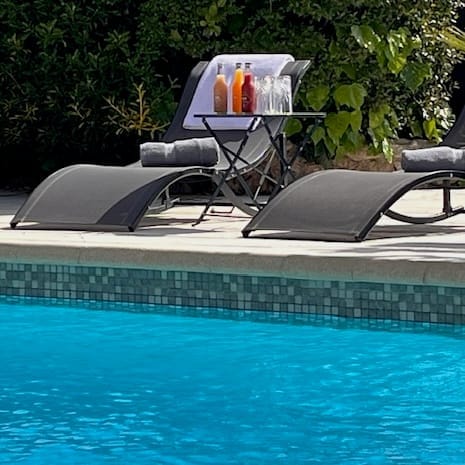
The room, sober and warm, opens onto a terrace when the beautiful days arrive, offering an ideal setting for a long lunch. The wine cellar tells the story of the region in its diversity, including rosés, treated here as true gastronomic partners. The house cultivates attentive hospitality without rigidity, a signature that brings back regulars and convinces the curious.
Hostellerie Les Gorges de Pennafort, the theater of red rocks
The road leading to the gorges, starting from Draguignan, winds between pines and cork oaks before revealing a dramatic backdrop of ochre-red cliffs. At the foot of these rocks, the table of the Hostellerie unfolds a cuisine of a great house, where the craftsmanship of sauces, the clarity of juices, and the rigorous care given to garnishes make the difference. In season, truffles find a prominent place, like a black and fragrant thread running through various preparations, from soft-boiled eggs to firm poultry to melting gnocchi.
The atmosphere, between a comfortable country house and a gastronomic address, invites both panoramic lunches and enveloping dinners. The gestures of the service—carving, flambéing, serving in a casserole—are part of the pleasure and remind one of a certain art of living. Here, one appreciates a cuisine that does not seek rupture, but emotion through continuity and demand.
Bruno in Lorgues, an ode to truffles
A gourmet symbol of the area, the house Bruno has built its reputation around truffles, presented in thematic menus that follow the seasons of the black diamond and its cousins. One tastes this very particular way of treating truffles not as an added condiment, but as a full-fledged ingredient, thinking the plate from it: the maturity of a purée, the texture of an egg, the warmth of a gratin, the tenderness of poultry, everything is orchestrated to welcome its aroma and density. The decor, the generosity of the service, the wine list featuring beautiful Var bottles, contribute to a memorable experience, especially in winter when truffle markets enliven the Haut-Var nearby.
Need a room? Book directly!
Exceptional getaways an hour's drive away
The Vague d’Or in Saint-Tropez, Mediterranean haute couture
About an hour from Draguignan, the peninsula of Saint-Tropez is home to one of the most celebrated tables in France, where the cuisine reveals a rare understanding of the Mediterranean. Translucent broths, infused oils, herby condiments, the precision of cooking noble fish and shellfish elevate the iodine and subtle bitterness of citrus and fennel. The dining room and terrace, with their view of the gulf, add to the enchantment. Here, we are in absolute craftsmanship: everything hinges on micro-details, a juice measured to the millimeter, a point of acidity placed like punctuation, a beautifully textured bread to soak up every last drop of broth. For those who want to experience a total immersion around the sea, this is an obvious pilgrimage.
La Bastide de Moustiers, the artisan Provence
To the north, at the threshold of the Verdon gorges, an endearing address cultivates haute couture inn cuisine. The number of covers is limited, the menu short, inspired by the house’s garden and seasonal arrivals: roasted vegetables, amber meat juices, goat cheeses from Haut-Var, omnipresent fresh herbs. One finds that rare sensation of a cuisine that is both spontaneous and controlled, where the ingredients dictate the rhythm and the chef's hand seeks only to reveal, never to dominate. The setting, rustic chic, the impeccable tablecloths, and the warmth of the service create a moment that is both simple and luxurious, perfect for an escape from Draguignan.
Le Castellaras in Fayence and Callian, a heartfelt bastide
Overlooking the plain, this family table has retained the spirit of the bastides: shaded terrace, room with a patinated charm, sincere and nuanced cuisine. One tastes clear broths, risottos with local mushrooms according to autumn finds, well-raised poultry, fish treated with a sure hand. Nothing loud here, but a deep sensation of good eating, at the right rhythm of the place. It’s an ideal stop on a gourmet loop from Draguignan, combining a stroll through the villages of the Fayence region and dinner at sunset.
La Palmeraie at Château de Valmer, vines and iodine
Further south, towards La Croix-Valmer, an address combines the elegance of a domain surrounded by vines with a cuisine focused on the sea. The plates play with contrasts: crunchy vegetables, the silkiness of a mousseline, the iodized freshness of a tartare, toasted with a reduction. The wine list, flourishing in gastronomic whites and rosés, showcases luminous pairings. A coherent stop to extend the journey from Draguignan to the shores of the Var coast.
What distinguishes these gourmet tables
The vegetable as hero
Around Draguignan, vegetables are not a side dish; they are a subject in their own right. Chefs work with the zucchini from the plain, the meaty tomatoes of July, the sometimes disturbingly fine green beans, the grilled purple artichokes, the patiently peeled and charred peppers. They love multiple textures—raw, confit, crunchy, melting—within the same plate, and compose their seasonings with local olive oils with very distinct profiles, often from nearby mills. The season sets its rhythm: nothing speaks more than a plate of sun-drenched tomatoes in the height of summer, when, in the heart of winter, the noble bitterness of a citrus or an endive adds depth to meat juices.
The truth of meats from the hinterland
The proximity of the Alpes de Haute-Provence and the pastures of Var brings very fine meat products: lamb, milk-fed veal, heritage poultry, farmed pork. Chefs take care with brown juices and rich sauces, slow to develop, that add depth without heaviness. Game, when the season allows, completes the picture: hare à la royale revisited or simple rabbit loin with savory, each house has its way of placing this grain of terroir on the plate. Cooking favors rosy centers, crispy skins, and one often finds the indulgence of a purée enriched with butter or new oil, when it comes from the mills at the end of autumn.
Need a room? Book directly!
Mastered iodine
If Draguignan is inland, the Mediterranean is never far away. Fish and shellfish arrive from the ports of Var and feed beautiful proposals: red mullet with fish juices, dorade on the plancha, John Dory with olive butter and capers, octopus long confit then grilled. The sauces and condiments—a reduced juice, an oil flavored with verbena, a confit lemon pulp—play the aromatic score of a cuisine that prefers clarity to showiness, restraint to spectacle.
Food-wine pairings: the subtle game of Côtes de Provence
Dracénie is an exciting crossroads for wine lovers. The great tables in the area know how to celebrate the diversity of Côtes de Provence, both in rosé and white and red. Gastronomic rosé, vinified with precision, reveals itself with vegetable dishes, delicate fish, poultry, and even certain desserts with olive oil. The whites, often dominated by rolle (vermentino), express notes of herbs, citrus, fresh almond, and pair ideally with iodized plates or spring vegetables. The reds, structured yet fresh, find their place with meats, brown sauces, and certain preparations around mushrooms.
The presence of emblematic estates just minutes away—Château de Berne of course, but also historic properties like Château Roubine or Château Sainte Roseline—feeds deep wine lists, often with old vintages. The sommeliers in the area love to offer horizontal tastings of rosés to showcase the diversity of styles, or terroir on terroir pairings, matching a seasoned dish with a wine from the same estate. It’s a subtle and enjoyable pedagogy, which immerses the diner in the liquid geography of Var.
The calendar of gourmet seasons
In winter, truffles reign and transform the slightest purée or the simplest poultry into a fragrant feast; the markets of Aups set the rhythm of arrivals, and chefs adapt their menus accordingly. Spring paves the way for green vegetables, the first zucchini flowers, sweet peas, and local asparagus. Summer unfolds its procession of abundance: perfectly ripe tomatoes, braised peppers, confit eggplants, ripe Solliès figs on the tree, herbs in profusion. Autumn brings back mushrooms, amber juices, and shareable cuts of meat. This seasonal breathing gives full meaning to tasting menus, as it inscribes the sequences in a time, a light, a weather, which, in Provence, changes a lot in the perception of the meal.
Tasting menus or à la carte: choosing the right tempo
The tasting menu is the royal way to grasp a chef's writing: progression, contrast, signatures. It requires time and availability, and pairs perfectly with an evening. In contrast, a lunch à la carte, focused on two or three dishes, can be of great intensity, especially when concentrating on a flagship product of the moment. Around Draguignan, many establishments offer a more concise and accessible lunch menu, without compromising on quality: an excellent entry point to discover a restaurant, before returning in the evening for the grand tour.
Practical tips for booking and making the most of it
The popularity of these addresses, especially in high season, requires anticipation. It is wise to book several weeks in advance for the summer months, and a few days are sufficient off-season. Indicate your dietary restrictions at the time of booking: the kitchens are agile, and in the region, plant-based alternatives are rarely a constraint given the rich vegetable palette. Allow for travel times on sometimes winding roads, and don’t hesitate to request a table on the terrace when the weather permits; the light, the shade of the pines, and the song of the cicadas are part of the experience. In winter, the indoor rooms, sometimes equipped with fireplaces, create a cocoon conducive to truffle menus.
Need a room? Book directly!
The art of the dining room and the little extras that matter
Beyond the contents of the plate, these establishments cultivate a sense of detail: impeccable tablecloths, appropriate glassware, well-chosen cutlery, beautiful gestures of service. Cheese carts are often of high quality, focused on local goat and sheep cheeses aged with care. The bread, sometimes homemade, often sourced from talented artisans, reflects a commitment to everything that accompanies the dish. The coffee, rarely left to chance, is paired with delicate sweets made with lemon, maquis honey, and mild olive oil. These attentions create a coherence, the feeling of being taken care of from the welcome to the last gesture.
Gourmet itineraries starting from Draguignan
A first natural loop leads to Lorgues and Les Arcs: lunch in a bastide surrounded by vines, a nap in the shade of a parasol pine, a visit to a domain, and dinner in a stone house where the evening becomes more flavorful. A second route glides towards Callas and the gorges of Pennafort: winding roads, cliffs glowing in the setting sun, high-quality cuisine, and a night in an inn where one wakes up facing the pines. A third itinerary heads north, Tourtour then Moustiers: perched villages, pottery, fresher air, refined inn cuisine that highlights the products of the causses and gardens. Finally, heading south, the road becomes more maritime: Vidauban, La Garde-Freinet, descending towards the gulf, an exceptional table focused on iodine, and returning with a light heart, head full of salty flavors.
For whom, for what: adapting the experience to one's desires
Couples will find a profusion of romantic addresses, terraces in chiaroscuro, and crescendo menus. Families can aim for lunches and terraces, where the atmosphere is more relaxed and attention to children is often very delicate. Business meals benefit from being scheduled at lunch, for the clarity of service and punctuality of rhythms, while favoring wine lists well-stocked with whites and rosés from Provence, sometimes more relevant than a heavy red in the heat. Curious gastronomes can compose a weekend by alternating a garden table, focused on vegetables, and a sauce table, more oriented towards juices and meat cooking: two complementary faces of the same territory.
Sustainability, short circuits, and common sense farming
The gastronomic scene around Draguignan proudly carries the banner of short circuits. Restaurant gardens, herb picking, close collaborations with farmers, fishermen, and breeders form a virtuous fabric that can be tasted on the plate. Several establishments are recognized for their environmental commitments and the transparency of their sourcing. This translates concretely: sparing use of animal protein in favor of ambitious plant-based plates, work on ancient varieties, valorization of co-products (grilled skins, trimmings in broth), drastic reduction of plastic in the kitchen, microfiltered water instead of big brands, solar energy when the site allows. This coherence adds value to the experience, especially since the rich terroir naturally lends itself to these practices.
Sweets: Provence in dessert
The pastry chefs of these establishments play the card of freshness and accuracy rather than sugary demonstration. One tastes creations around lemon—sometimes local, sometimes from the Riviera—almond, fig, apricot, heather honey, or lavender. Mild olive oils are incorporated into compositions to partially replace butter and provide a discreet aromatic thread. Herbs also find their place: lemon thyme ice cream, verbena infusion, basil granita. Specialty coffee, carefully extracted, concludes the meal without heaviness and with sweets that extend the spirit of the savory plate. This is the moment when one measures the overall coherence: a successful dessert in Provence should leave the mouth clean and the desire for a walk in the shade.
Ambiances and moments: choosing your season
Spring and the off-season are blessed periods: soft light, mild temperatures, vibrant markets, lively terraces. In summer, the excitement is at its peak; services extend, evenings fill up, the sea is not far, and one enjoys warm nights. Winter has its own magic, resolutely gastronomic: truffle menus, cocooning rooms, red wines taking center stage, stews, and candied lemons. Each of these seasons, in the triangle Draguignan-Verdon-gulf of Saint-Tropez, tells a different chapter of cuisine. Returning means seeing how much the menus change, the signatures refine, and the same table can offer contrasting faces depending on the light.
Budget, expectations, and quality-pleasure ratio
Around Draguignan, the range of offerings extends from a measured gourmet lunch to a lengthy multi-course experience. The establishments located in large wine estates often offer well-calibrated midday menus, with a technical level already very pronounced, perfect for discovery. In the evening, more ambitious menus allow the kitchens to showcase their full palette. The difference lies as much in the number of plates as in the exceptional products summoned and the depth of wine pairings. In any case, the pleasure-to-price ratio is high: the concentration of fine dining establishments within a small radius, the quality of service, and the richness of the terroir create a rare ensemble in France.
A typical day for food lovers in Dracénie
In the morning, stroll through the streets of Draguignan, wander through a market, gather a bouquet of herbs, watch the light hit the facades. By late morning, a short drive to a vineyard for a wine tasting, then lunch on a terrace where the air carries notes of pine and olive. Treat yourself to a nap or a walk in the vineyards, visit a chapel or an olive oil mill, discover the ancient gesture of crushing. The late afternoon invites a drive to another village, a drink on a terrace, then a more ample dinner, centered on truffles in winter or seafood in summer. Return with the sensation of time stretched, of a landscape passed onto the plate, and of precise memories: the buzz of service, the scent of a juice, the salinity of a broth, the crunch of a barely bitten vegetable.
Why these restaurants matter
Because they tell the story of Provence without clichés. Lavender and cicadas are not enough; here, we talk about soils, varieties, sun and shade, rare rains, winds, and patience. The gastronomy around Draguignan is neither a postcard nor a rush forward; it is this delicate balance between know-how and the truth of products, between heritage and contemporary interpretation. The diner gains lasting emotions and the desire to return to confirm an impression: the greatness of a cuisine is measured by its ability to make the terroir more readable and deeper with each visit.
Conclusion: a constellation to explore
Around Draguignan, gastronomy draws a constellation of complementary addresses: elegant wine houses, characterful inns, intimate bastides, iodized tables facing the sea. They can be explored in a star pattern, returning to favorites, discovering new ones with the seasons. The common thread remains this physical relationship with products—vegetables, oils, wines, truffles, fish, meats—and this discreet sophistication that primarily respects taste. In just a few days, one understands why this part of Var, far from the coastal tumult yet connected to the sea, accumulates so many high-level establishments. Here, one eats light, herbs, sea salt, and the scent of warmed earth; one drinks wines designed for the table; one receives a welcome that knows how to combine precision and warmth. Enough to write your own list of the best gourmet restaurants around Draguignan, convinced that here, excellence has the simple taste of obviousness.