Wine getaway: visiting the vineyards of Var
The salty air rising from the Mediterranean, the garrigue fragrant with resin and cade, the murmur of cicadas in summer, and that bright light that makes colors vibrate: Var has an evocative power that is reflected in its wines. As soon as you take your first steps among the rows, the landscape already tells the story of the glass to come. Rosé has become a flagship style here, chiseled and luminous, but the territory is not limited to this beautiful freshness of citrus and white flowers. Behind the postcard image, powerful and serious reds, built for aging, rise to the top, while whites made from rolle (vermentino) strike a balance between southern amplitude and saline tension. A wine getaway in Var is to enter into a dialogue between sea and mountain, limestone and schist, heritage and contemporary boldness, and to give time to time, from cellar to cellar, from table to table, along roads lined with umbrella pines and olive trees.
Landscapes that shape the taste of wine
The intimate understanding of Var wines is first rooted in this natural theater. To the east, the Esterel and Maures create jagged reliefs, sometimes schistous, that retain heat and contribute to slow and steady ripening. In the center, on the plateau and foothills of the Coteaux Varois in
Provence, limestone dominates, the night reclaims its rights even in the heart of summer, and the vine breathes under welcome thermal amplitudes. Further south, the proximity of the sea tempers the sun's ardor and brings almost daily breezes, while the soils alternate between clay, sandstone, and sand, giving rosés a delicate touch and reds a velvety base. In this Mediterranean ensemble, light is a constant ally, but it does not reign alone. The mistral, when it sweeps through, clears the sky and canopy, limiting diseases and imprinting its dry and crisp signature on the savory finishes.One cannot speak of Var landscapes without mentioning their diversity even along the coast. On the islands off Hyères, the rows are drawn facing turquoise coves, rooted in sandy soils that enhance the whites and rosés with crystalline finesse. Inland, the vine has conquered terraces and raised beds, neighboring fig orchards near Solliès or truffle fields around Aups. This mosaic is the strength of Var: the same grape variety does not express itself the same way on the limestones of Brignoles and on the warm schists that dominate the hinterland of the coast. In just a few kilometers, the traveler crosses as many influences as in several hours of driving elsewhere, and each estate plays its own way, through choices of harvest dates, pressing, blending, and aging.

Appellations and styles: a palette beyond rosé
Var has built much of its reputation on the precision of rosés, a style that has sometimes been caricatured but has continued to gain complexity. In Côtes de Provence, locally declined into geographical denominations like La Londe, Pierrefeu, Fréjus, or Notre-Dame des Anges, rosé typically combines grenache, cinsault, syrah, and, more locally, tibouren. Direct pressing is favored to preserve aromatic delicacy, even if some cuvées from bleeding play with broader shoulders. The aesthetic has evolved towards very pale hues, but the heart of the matter lies elsewhere: good Var rosé opens with citrus zest, vine peach, orange blossom, then unfolds a palate tightened by just acidity and a salinity that calls for the table.Reducing Var to its rosés would, however, ignore bastions of exemplary red. In Bandol, at the mouth of a natural amphitheater of limestone terraces, mourvèdre reigns. A late and sun-loving grape, it demands ideal exposures and proverbial patience. The specifications impose a significant proportion of mourvèdre and prolonged aging, often eighteen months in large casks, which tames its tannins, intertwines its aromas of black fruits, olive, licorice, garrigue, and smoke. These wines gain mystery with time, unfolding notes of noble leather and truffle, and demonstrate that Provence has just as much to say in red as in rosé.
Further north and centrally, the Coteaux Varois en Provence appellation works with altitude and predominantly limestone soils. The climate is cooler at night, ripening is slower, and this translates into straight and energetic rosés, often more tense than those along the coastal strip, and reds with clear fruit, where syrah and grenache enjoy conversing on a peppery and floral framework. As for whites, Var sometimes produces very fine wines around rolle, a grape that loves light without excessive heat, capable of delivering profiles of fresh almond, pear, white flowers, and fine herbs, with a rich touch but held by a limestone minerality or a hint of iodine depending on the origin.

Away from the spotlight, more flexible IGPs offer a playground for curious winemakers. Here you can find single-varietal tibouren, experiments with carignan, aging in amphorae or concrete eggs to preserve the aromatic lace of whites. These parallel paths enrich the regional whole, strengthen appellation styles by offering counterpoints, and give visitors avenues to explore to understand how each winemaker negotiates the question of climate and ripeness today.
The art of organizing your visit
A successful wine getaway in Var is prepared without being rigid. The golden rule can be summed up in a few simple gestures: book in advance, even off-season, and allow yourself the flexibility to adjust your itinerary according to encounters. Estates often have hours that respect the midday break, and the summer season adds a crowd that makes impromptu tastings more delicate. A call the day before is often enough to open doors, to organize a cellar visit, a plot tour, or an introduction to pruning if you come in winter.The car remains the simplest way to travel from one terroir to another. The train stations of Toulon, Les Arcs–
Draguignan, Hyères or Saint-Raphaël are convenient entry points to pick up a vehicle. The roads winding between Le Beausset and La Cadière-d’Azur, those crossing the Maures massif towards Collobrières, or the coastal departmental road connecting La Londe to Saint-Tropez offer unforgettable landscapes, but require time and attention, especially in high season. The option of electric bikes is increasingly appearing in certain areas, with the possibility of luggage transfer and return after tasting, a good compromise to combine fresh air and caution.Many estates have developed well-maintained reception areas, air-conditioned tasting rooms, and shaded terraces facing the vineyards. Some offer platters of local products, sometimes guest tables or real restaurants with food-wine pairings. It is often possible to book thematic workshops, from discovering grape varieties to blending exercises, where one composes their own blend of Grenache, Cinsault, and Syrah to understand the mechanics of style. These are playful learning moments, but also a glimpse into the profession, where one understands that behind the fluidity of a successful rosé, there are minute decisions, pressure, maceration, and mastery of cold.
The right time to go
Each season imparts a different character to the visit. In spring, the vines bud, young shoots burst forth in a tender green, and the fresh air enhances the scents of garrigue. The coastal tables gradually reopen, the crowds remain measured, and the estates take the time to comment on the release of new vintages. In summer, the frenzy of high season illuminates Provençal conviviality: markets, festivals, evenings in the cellar, and concerts in the natural amphitheaters of the estates rhythm the nights as well as the days. However, the heat imposes precautions, and reservations become essential.Autumn charms with its golden palette and the excitement of the harvest. Some properties open their doors to the reception of the harvest, sorting, and fermentation tanks. Witnessing the birth of a vintage, smelling the aromas of must, and understanding the importance of cool nights and the timeframes in which the harvest is carried out is a foundational experience. Winter, finally, refocuses the getaway on dialogue with winemakers. The wines rest in large casks, barrels, or tanks, the reds benefit from quiet aging, and one tastes the depth of the land around seasonal specialties, from truffles from Haut-Var to comforting stews. The bare landscapes, clear skies, and low-angle light enhance the massifs, and the roads come to you.
Experiences to live at the heart of the estates
A visit to a cellar in Var does not stop at a row of stainless steel tanks. The welcome has professionalized without losing its artisanal soul. Entering a barrel cellar is to breathe in the long aging of Bandol reds and parcel-specific Côtes de Provence cuvées. Approaching clay amphorae is to touch the desire to preserve the purity of fruit, especially in Rolle whites where texture is sought without marking the wine. Sitting in a chapel or at the foot of a contemporary artwork adds a cultural resonance to the tasting, as many Var properties have integrated art and architecture into their identity, inviting artists and architects to engage with the vines and stone.Beyond the walls, the vineyard reveals itself. A guided walk through the plots sheds light on planting density choices, canopy management against the summer sun, the usefulness of cover crops to retain water and enrich the soil, and the logic of hedges that shelter beneficial insects and biodiversity. Night harvesting, common to preserve the freshness of rosés, is the subject of passionate stories where logistics, grape temperature, and delicate extraction are recounted in simple terms. Sensory workshops play with primary aromas, spices, and local herbs, and one is surprised to find in a glass those notes of wild fennel, lemon thyme, or grapefruit zest that the morning stroll had evoked.
Food-wine pairings with a Var accent
The wines of Var make perfect sense when they meet the cuisine that gave birth to them. A straight and salty rosé flirts with garlic tellines, enhances the iodine of grilled sea bream, glides over a fennel and citrus salad, or pairs with the aniseed sweetness of a scrambled egg dish. Fleshier rosés, sometimes derived from a bleed, tame the confit garlic of an aioli, black olive tapenade, and the concentrated juice of stuffed vegetables. A Rolle white, with hints of fresh almond and pear, plays with the herbal notes of a pistou soup or accompanies, with its oily texture and salty spring, grilled squid enhanced with a squeeze of lemon.Reds require a bit of patience and attention to serving temperature. A Bandol, spicy and ample, will be even more pleasant with a long-cooked stew, beef cheeks with olives, a shoulder of lamb confit with rosemary, or, when the time comes, grated Haut-Var truffles on scrambled eggs. Reds from Coteaux Varois, fresher, enhance wood-fired grilled dishes, pair with a pissaladière, an onion tart with melted onions and anchovies where the red fruit and peppery note respond to the salty umami. These dialogues are not rules carved in stone, but paths that embody the local spirit: simple cuisine, made from raw products, driven by olive oil, herbs, and respect for the seasons, facing wines that seek brightness and balance before demonstrating strength.
Between heritage and vineyard: a common thread
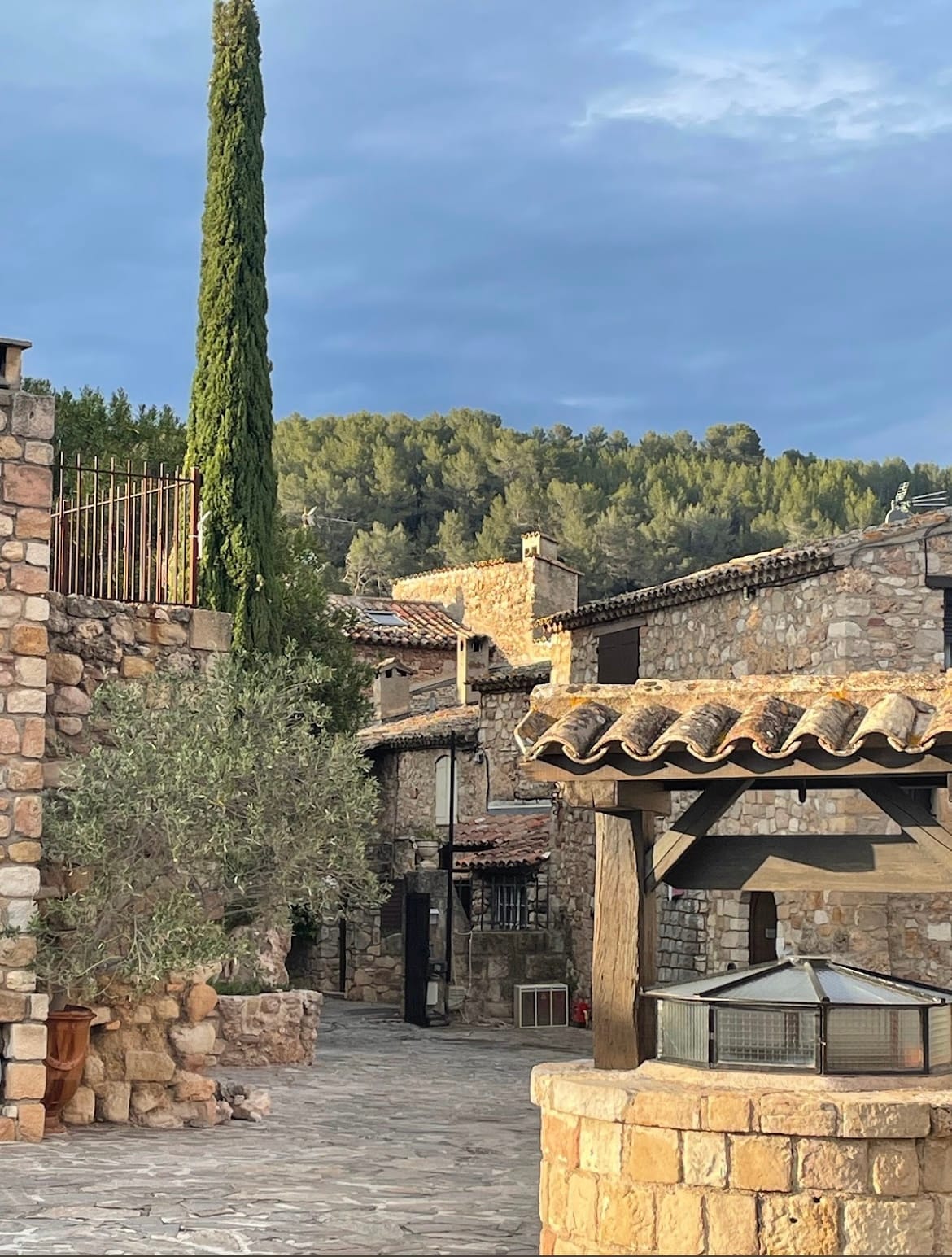
Traveling through Var for its wines is to touch a heritage that is both Roman, medieval, and contemporary. From silent abbeys to adorned chapels, from perched villages overlooking the vineyards to ports where light breaks, the vine is never isolated from the rest. It is not uncommon for a cellar visit to be extended by the discovery of a work, a chapel with modern stained glass, or a signed mosaic, testifying to the link between the spirituality of the places and the art of winemaking. The villages encircle the appellations: to the north, around Brignoles, the alleys tell the story of inner Provence, while facing the sea, citadels still defend the horizon, and the islands show another way of cultivating the vine, in constant proximity to the wind and iodine.
The local culture doesn't stop at the stones. The markets buzz with melons, heirloom tomatoes, spring asparagus, bundles of herbs, and goat cheeses, all opportunities to pair the bottles bought in the morning. Wine festivals punctuate the year, whether it's the spring events where the new vintage is discovered or winter gatherings around the aged reds, giving visitors the chance to taste side by side from different houses and terroirs, measuring what brings them together and what distinguishes them.
Sustainable vines, wines of today
The Var, like the entire Mediterranean region, faces climate challenges. Winemakers adapt through a series of concrete adjustments. Night has become an ally for harvesting destined for rosés, allowing for fresher grapes and reducing the energy footprint at the press. Canopies are thickening to protect the berries from burns, controlled cover crops improve soil structure, mulching limits evaporation, and restored hedges support biodiversity while sheltering the vines from the driest winds. Many estates are certified organic, others have chosen biodynamics, and still others have opted for High Environmental Value, with the idea of thinking beyond just treating the vines: water management, recycling in the cellar, solar energy, bio-sourced materials in the reception buildings.These practices are not just labels. They are well understood during a visit on the ground, when comparing the life of soil in winter, the worms and microorganisms that abound, or when touching the softness of a mulched row after a late summer rain. The impact on the glass is reflected in more serene textures, balances less marked by alcohol, and expressions of grape varieties that retain their identity even in sunny vintages. For the visitor, it’s another guiding thread: leaving a tasting, one doesn’t just take bottles, but a story of gestures and landscapes that will be recalled upon opening each bottle.
Tasting and etiquette tips
Tasting in the Var benefits from being attentive and simple. Avoiding strong scents makes it easier to read the aromas. Starting with whites then rosés before reds, or from the lightest to the most structured, keeps the palate fresh. Temperature matters: serving a rosé too cold numbs its finesse, too warm makes it flabby. In the cellar, professionals master the service, but it’s useful to trust one’s sensations and to ask, if necessary, for a slight warming of the glass in hand. Don’t hesitate to spit, even if one drives little and the samples seem modest, it remains a healthy reflex that preserves clarity and tasting endurance throughout the day.The etiquette of the visit is one of mutual hospitality. Arriving at the announced time, notifying in case of delay, showing interest in the reality of the work, asking questions without fear: how many plots? Which grape varieties dominate and why? How is the harvest date decided for a key cuvée? Dialogue nourishes memory as much as the notebook. Upon purchase, conditions are often transparent, with estate prices reflecting the effort for quality. Shipments within France and abroad are frequent, useful for avoiding loading the car during hot periods. And if a cuvée is liked, don’t overlook the idea of buying several bottles to follow its evolution, as some rosés gain in subtlety after a few months of rest, and reds express their full dimension after a few years.
Building your journey at the pace of the terroirs
The most natural thread for a wine getaway in the Var follows the succession of sea and relief. One can choose to set foot on the coast, immediately feeling the influence of the open sea on salty rosés, airy whites, and polished-grain reds, before moving up to the limestone heart where altitude stretches the structures and realigns the aromas on more floral and spicy notes. To the west, around Bandol, the amphitheaters of terraced vineyards tell the patience of builders and the seriousness of reds, then the gaze turns to the center, where the Coteaux Varois sign fresher and more linear profiles, without giving up on indulgence. The east offers another reading, on the schists that warm in the evening and give the wines a recognizable tactile base.This journey can be enriched with stops that pull the visitor out of the cellar's confines. A walk between two appointments in the Maures, a dive on a beach in the shade of pines, a more confidential visit to a local museum, and the afternoon tasting won’t taste the same. The atmospheres overlap and refine the perception of the wines. A morning ventilated by the mistral makes one want to compare two rosés on their salivating finish, a hot evening calls for a red served slightly chilled with a dish of confit eggplants. Each step nourishes the next and, without a pre-established plan, one composes an itinerary that resembles you, faithful to the spirit of the Var: a sense of place, openness to sensations, and the alliance of pleasure and precision.
Extending the experience
The bottles brought back from the Var become liquid Proustian madeleines. Opening a rosé in the heart of winter warms a table of citrus, raw fish, fresh cheeses, and brings forth images of pines leaning over the sea. A patient Bandol, decanted an hour before, accompanies a long-simmered dish and gathers around it memories of terraces and warm stones. Returning to the Var the following year, tasting the new vintage, comparing the seasons and aging choices, creates a lasting relationship with a territory that has so much to teach those willing to listen. Many estates have set up clubs, newsletters, open house days where locals and visitors meet, proving that wine tourism here is not a veneer, but a continuous conversation.There are always facets to explore. Workshops on pruning in January, monitoring flowering in May, the surprise of a plot at dawn when the leaves still glisten with dew, a concert facing the vines on an August evening, a simple chat with a winemaker about how to lighten extractions or choose a barrel toasting: the Var is discovered as much in fragments as in grand traverses. Back home, keeping a tasting notebook, a few photos of soils and leaves, notes on the vintages, extends this intimacy and, over the years, makes one a witness to the life of a vineyard in motion.
Responsibility and pleasure
A final word, which does not detract from the joy, about the art of combining pleasure and responsibility. The roads of Var sometimes require vigilance, and enthusiasm for a vintage can make one forget to spit. The estates are aware of this and often provide spittoons, bottles of water, and savory snacks. Taxis and transport services should be booked in advance, especially during the season. The alternative of accommodation near a cluster of estates also allows for leisurely days on foot or by bike, with swimming breaks and naps in the shade. It is also possible to occasionally opt for a local guide or driver, who will know the back roads and actual travel times, and help you focus on what matters: the meeting and tasting.Responsibility extends to the very nature that gives birth to the wines. In summer, the massifs may be closed due to fire risks, and it is important to stay informed daily. Private paths, fences, and stakes are not decorations, but tools of work; one moves through them with respect, picks up their waste, closes what they have opened, and stays on the paths. This discreet respect is a form of gratitude towards a generous territory that, for generations, has shaped welcoming and sincere wines.
The promise of a territory in glass
Visiting the vineyards of Var means accepting to be guided by the senses more than by a tight schedule. One comes for a style, and leaves with a gallery of nuances: rosés as so many variations of light, reds that recall the patience of the hills and the depth of the nights, whites that capture the reflection of the sea and the clarity of limestone. One comes for a few properties and discovers a network of places, stories, and gestures where tradition and experimentation support each other, where heritage and art extend the tasting, where hospitality is not just a facade, but is lived in the attention to detail.The oenological getaway then takes the form of a full and simple experience. It does not require encyclopedic knowledge, only curiosity and a bit of time. It feeds on what Var does best: the clarity of its wines, the precision of its terroirs, the sincerity of its winemakers, the beauty of its landscapes. There is in every glass a bit of wind, stone, light, and herbs warmed by the sun. This promise, which is recognized from the first sip, makes one want to return, to compare, to age a few bottles, to open others for immediate pleasure. Var has this rare art of reconciling the obviousness of pleasure and the depth of meaning, and this is probably what makes it one of the most appealing oenological destinations in the Mediterranean.





 Away from the spotlight, more flexible IGPs offer a playground for curious winemakers. Here you can find single-varietal tibouren, experiments with carignan, aging in amphorae or concrete eggs to preserve the aromatic lace of whites. These parallel paths enrich the regional whole, strengthen appellation styles by offering counterpoints, and give visitors avenues to explore to understand how each winemaker negotiates the question of climate and ripeness today.