Provençal markets not to be missed
A morning under the plane trees, right by the stalls, is enough to understand that Provençal markets are not just places to shop, but vibrant scenes where seasons, local products, accents, and family stories come to life. Better than a postcard, they offer a direct immersion into local rhythms, those gestures of camaraderie between producers and regulars, the way one chooses a fig as one would choose a word of love, and the generosity that is measured in kilos of tomatoes as much as in exchanged smiles. Some markets, more than others, concentrate this alchemy. They deserve a detour and often require a change of itinerary, as their mornings are made to capture light, smell, taste, chat, and linger.
Bouches-du-Rhône, from the port noise to the shaded squares
Marseille, the mosaic with its belly wide open
There is the sea and the mistral, there are voices, there is hunger. In Marseille, the spirit of the markets embraces the city's diversity. In the Noailles district, the heart beats early and strong. The stalls pile up like promises: bunches of mint and bundles of coriander, okras and peppers, ribbed tomatoes, preserved lemons, spices that stain fingers, flatbread that cracks, shiny jars of olives, and fruits bursting with sugar. People converse in several languages, negotiate with energy, and discover Mediterranean and Levantine flavors amidst products from neighboring regions. Further down, at the Old Port, the morning's improvised fish market reminds us that Marseille remains a fishing port. The fish still vibrates on the marble: scorpionfish, rockfish, sea bream, and small octopuses, lined up like foam jewels. Nearby, on certain days, the smell of anchovy paste rivals that of the sea. The strength of Marseille lies in this mix of opulence and frugality, where one can buy handfuls of herbs to flavor a fish soup or leave with a handful of panisses for the road.
Arles, the Camargue in the basket
The boulevards of Arles unfold a market that seems endless. The sounds of footsteps mingle with the squeaking of market trolleys, cafés overflow onto the terraces, and the stalls compose a fresco where one recognizes the Camargue by its rice fields and bulls, its tellines when they are in season, its sausages, and its goat cheeses with still damp rinds. Arles loves bold colors and strong scents. The tomatoes smell of sunshine, the peaches of sweetness, the peppers of the promise of a simmered dish. Here, people come as much for the food as for the atmosphere, with striped fabrics, straw hats, and wicker baskets full of bread and garlic. In one morning, one can compose a picnic that tells the story of the plains, the ponds, and the salty horizon.

Aix-en-Provence, the adornment and sweetness
Aix has never hidden its taste for beautiful staging. The elegance of its squares, the shade of the plane trees, the geometry of the fountains provide an ideal setting for the markets. Flowers put on a show, with stalls overflowing with peonies, roses, and fresh lavenders in season, while producers set up their round baskets filled with fruits still beaded with water. Calissons, delicate and sweet, shine under the confectioners' windows, but the market prefers the simple lines of freshly picked products. One can taste the blonde apricots, new almonds, and goat cheeses softened by a drizzle of honey from the Luberon. Aix combines taste and conversation, that moment when one stops to ask a farmer for a recipe, who, without losing his good humor, explains how to sauté zucchini flowers and finish cooking with a hint of garlic.
Vaucluse, between Ventoux and Luberon
L’Isle-sur-la-Sorgue, the ballet of wheels and baskets
Few markets engage with water as naturally. In L’Isle-sur-la-Sorgue, the river caresses the bustle of a market that winds between canals and waterwheels. The discreet splashing accompanies footsteps while the stalls unfold a generous score: tapenades with deep green and shiny black nuances, country breads heavy with crumb, nectarines swollen with juice, fish and crayfish when the season allows, and herbs that one crushes to highlight their aromas. This city, known for its antique dealers, adds notes of antiquing and curiosity to the pleasures of the palate, and one moves from one to the other seamlessly, as if the wicker baskets were meant to carry old postcards as much as purple artichokes.
Carpentras, fruits, truffles, and bold seasons
Carpentras cultivates a loyalty to the seasons that honors it. Over the months, the market embraces arrivals like an old peasant calendar. Strawberries are famous here, appearing as soon as the weather warms. In winter, the scent of truffles sometimes flirts with the aisles, reminding us that Vaucluse is a land of black diamonds. The farmers are generous, offering both old varieties and more classic productions. Here, one talks about ripeness, exposure, terroir; one compares the juice of one melon to that of the neighbor, one chooses an olive oil based on a more or less pronounced bitterness. Far from the glitter, Carpentras animates a trustworthy market that has nourished generations.
Vaison-la-Romaine and the gourmet terraces
In Vaison-la-Romaine, the ancient ruins cut into the sky and leave an even more endearing feeling as life continues beneath the plane trees. The market here has the air of a heritage stroll. One lingers, as each square seems to invite one to sit for a coffee or a glass of wine from Ventoux. Cheeses align in fragrant towers, breads showcase a diversity of crusts, apricots seem ready to burst, and autumn squashes display artistic speckles. It’s a market for those who love to stroll and compose a basket for a lunch in the shade, perhaps with a focaccia flavored with olive oil and a few slices of peppered sausage.
Luberon, the gentle dawn and the perched villages
The Luberon multiplies markets like chapters of a summer novel. Apt unfolds around its alleys with a quiet strength and a specialty that makes its signature: candied fruits, shining like gems. Lourmarin, a village of blonde stones, adds an elegant dimension to the experience, inviting one to combine the basket and the stroll through the alleys. Higher up, Bonnieux and Lacoste show another Provence, more mineral, more rugged, with stalls that know how to remain simple. In Cucuron, the pond bordered by plane trees offers a unique scene, and the market reflects there like a painting. One comes to the Luberon for the quality of vegetables, the diversity of herbs, the abundance of goat cheeses, and the feeling that here one cooks to the rhythm of daylight.
Alpes-de-Haute-Provence and Hautes-Alpes, altitude as terroir
Forcalquier, the great meeting place of Haute-Provence
Forcalquier is earned by the road, and rewarded by its market, renowned for its friendliness and the variety of its stalls. Lavender flowers meet aged cheeses wrapped in hay, soaps pile up in tempting stacks, essential oils discreetly perfume the air. The banon, cheese wrapped in chestnut leaves, reigns as the main character, while mountain charcuterie plays luxurious supporting roles. Here, we meet producers who share stories of the harvests from the Valensole plateau, the challenges of too dry years, and the joy of thunderstorms that return at just the right moment. There is a generous countryside spirit, a way of welcoming that involves patient explanations and tastings.

Mountain and freshness, from Sisteron to Gap
The mountain imprints a style on the markets: the hours are earlier, the light sharper, the products tighter, denser, more genuine. In Sisteron, the silhouette of the citadel watches over a market where local lamb is never far away, where cow and goat cheeses tell the story of the alpine pastures, and where dried herbs are bought to flavor a clear soup. In Gap, life concentrates at the bottom of the streets, fruits gain sweetness with the summer heat, and honey comes in mountain, lavender, or forest varieties. These markets invite more substantial cooking, where squash gratin finds its place alongside a fragrant civet or a blueberry tart.
Var and azure coastline, between fish markets and covered markets
Toulon, the loquacious
Toulon loves markets that splash with accent. Stalls line the streets, and the sea is never far away, bringing its morning fish. You can find everything here, with an almost theatrical fervor. The Toulon cade, a hot chickpea pancake, serves as a local delicacy to be nibbled on a street corner. Mediterranean vegetables tell of the light, olives shine, and flowers give off garden scents. At noon, when the heat rises, one understands that everything here happens early, and the city aligns itself with the shade of the facades to offer moments of freshness to those looking for a spot to taste what they just bought.
Sanary-sur-Mer, the market that embraces the sea
In Sanary, pointed boats color the port, and the market responds with its bright tones and joyful animation. The fish testify, still shining with scales, and around them are organized vegetables, fruits, cheeses, and artisan products. Here, people love tightly packed artichokes, meaty tomatoes, apricots in full season, and golden breads that call for a drizzle of olive oil. The terraces invite you to linger in the morning, and the alleys make the crowd dance between the stalls and shop windows. The Sanary market is a theater, but it is also an outdoor table where nothing is missing to compose a summer meal.
Saint-Tropez, indulgence under the plane trees
In the heart of Saint-Tropez, the market sets up in a backdrop almost too famous. And yet, the magic works. Under the plane trees, the stands crowd together, laden with products deeply rooted in their terroir. You can find aged goat cheeses, fine charcuteries, sun-soaked fruits, orange blossom-flavored navettes, and olive oils that oscillate between green fruity and ripe fruity. The crowd mingles, and one overhears passionate conversations about the best tomato producer, the perfect ripeness of a melon, or the strength of wild savory. Saint-Tropez, despite the glitter, knows how to remain true to the spirit of the Provençal market.
Antibes, the gourmet hall
The Antibes market, sheltered, concentrates the quintessence of coastal flavors. Herbs pile up, tapenades are offered by the spoonful, cheeses with flowery rinds intrigue, and fruits sparkle. The proximity of the sea is felt at the corner of a fishmonger, but it is mainly the abundance of vegetation that stands out. Artisans offer tastings, explain, and recount the harvest and recipes as one tells an anecdote. Everything is an excuse to prolong the visit, and one often leaves with more than expected, convinced by the warmth of the welcome and the quality of the products.
Nice, the brilliance of flowers and Niçoise gastronomy
In Nice, the market advances towards the sea and opens like a bouquet. Flowers set the tone, displaying their colors in a profusion that intoxicates. But beside them, Niçoise cuisine expresses itself through products and some emblematic preparations. You take home salad for a vigorous mesclun, tomatoes for stuffing, fragrant basil, sweet onions for a pissaladière prepared in a home oven, and sometimes still-warm socca slices shared by an artisan. Olive oil has a precise expression here, often herby, and one takes pleasure in choosing their producer. The Nice market has the elegance of balancing abundance and finesse, the earthiness of black olives and the freshness of citrus fruits.
Cannes, Forville and market cuisine
The Forville market in Cannes breathes demand. Fishermen bring morning treasures, farmers line up perfect rows of vegetables, and herb vendors make you hesitate between lemon thyme and savory. Here, the clientele knows what they want, and the vendor knows how to respond. Restaurateurs nearby come to seek inspiration. One gets caught up in the game, buying to quickly cook a ratatouille that sings or a stew that will simmer all afternoon. Forville reconciles the prestige of the Croisette with the simplicity of a market where everything starts with the quality of the product.
Drôme Provençale and Baronnies, the olive and lavender in majesty
Nyons, the sweetness of the olive
Nyons hosts a market where the queen is the olive, plump, sweet, and beautifully wrinkled at maturity, and the oil that comes from it has a smoothness recognizable above all. Around it, lavender honeys capture in their crystals the brilliance of the fields in summer, dried herbs compose bouquets to hang in kitchens, and goat cheeses tell tales of generous foothills. Here, we talk about drought and frost, sun and wind, as one would speak of old neighbors. The oil, here, is tasted like a wine, searching for notes of almond, artichoke, and hay. The market invites you to take your time, to learn, to accept being guided by passionate producers.
Periods, seasons, and rhythms
A Provençal market is not the same in April, July, or November. It is even a joy to see it evolve. In spring, asparagus stretch their tips, strawberries light up the trays with bright red, peas roll in baskets, aromatic herbs awaken, and the first oil of the year shows its pale green hues. In summer, we enter opulence: tomatoes of all shapes, shiny-skinned eggplants, peppers that look varnished, peaches, apricots, figs, melons, everything becomes an invitation to assemble, to salad, to raw, to simply grilled. Autumn brings back mushrooms from the underbrush, squashes with baroque silhouettes, the first rounder oils, crunchy grapes, and melting pears. Winter, however, is not a poor season: bright citrus from nearby orchards, curly cabbages, colorful chard, truffles when the markets allow, more present charcuteries, sweets, and oil pumps that recall Christmas traditions. Provençal markets breathe according to this cycle, and one benefits from aligning with it.
Iconic flavors to seek without mistake
There are products that, at a Provençal market, tell more than their taste. Anchoïade, a robust paste of anchovies, garlic, and olive oil, promises bold appetizers. Tapenade, green or black, leads to muted battles over which is more convincing depending on the time of day and mood. Calissons from Aix, sweet and delicate, require a calm pause and a strong coffee. Marseille navettes, biscuit-like and flavored with orange blossom, give snacks a traditional air. Olive oils, from one village to another, shaped by olive varieties, sign a cuisine that prefers the expression of the fruit over technical demonstration. Goat cheeses, often aged with herbs, range from small tangy crottins to creamy pastes that dance on the plate. Apt candies recreate summer baskets in the middle of winter. Camargue rice joins the table, white, red, or black depending on desire and dish, and honeys evoke sometimes the garrigue, sometimes lavender, sometimes the maquis. On the wine side, markets are often flanked by wine merchants who make Bandol, Cassis, Côtes de Provence, Luberon, Ventoux, or Coteaux d’Aix converse, not for demonstration, but for the right pairing with ratatouille or grilled dorade. Each of these products is better purchased when one takes the time to listen to the producer, to understand their year, to taste two or three variants.
Gestures and etiquette to buy like a local
First, greet. A hello and a smile open all doors. Then, let the merchant handle the selection of fragile fruits, unless you have their permission. Asking questions about variety or ripeness is not intrusive; it is even a pleasure for the producer. Requesting an appropriate quantity, even if it means returning if you underestimated your hunger, avoids waste. Holding a small bill and change simplifies exchanges at the busiest markets. Taste when offered, and don’t hesitate to say what you’re looking for for a specific dish. Negotiation doesn’t really have a place for farm products, but loyalty is rewarded with a more generous piece or a tip that changes everything. And above all, come early, while it’s cool, to get the best and enjoy a market still awake, before the light hardens and shadows heat up. Provençal markets often close around midday, and the experience loses intensity if you arrive when the stalls are emptying.
Sustainability, short circuits, and new generations
Provence is not immune to climate upheavals, and markets testify to adaptation. We see the rise of farmer stands engaged in organic farming or conversion, market gardeners practicing agroecology, collectives pooling their rounds. Packaging is changing, producers encourage reusable baskets, and merchants reduce plastic in favor of kraft and jars. Some markets dedicate spaces to short circuit producers, identified by visible charters. This mutation does not break with tradition; it prolongs it. The consumer gains transparency, and the territories gain resilience. New generations of producers tell the story of their soils, speak of microbiology and biodiversity, and their stalls, sometimes more modest, attract with the coherence of the whole. The market then becomes a place of joyful education, where one learns as much by tasting as by listening.
Markets off the beaten path
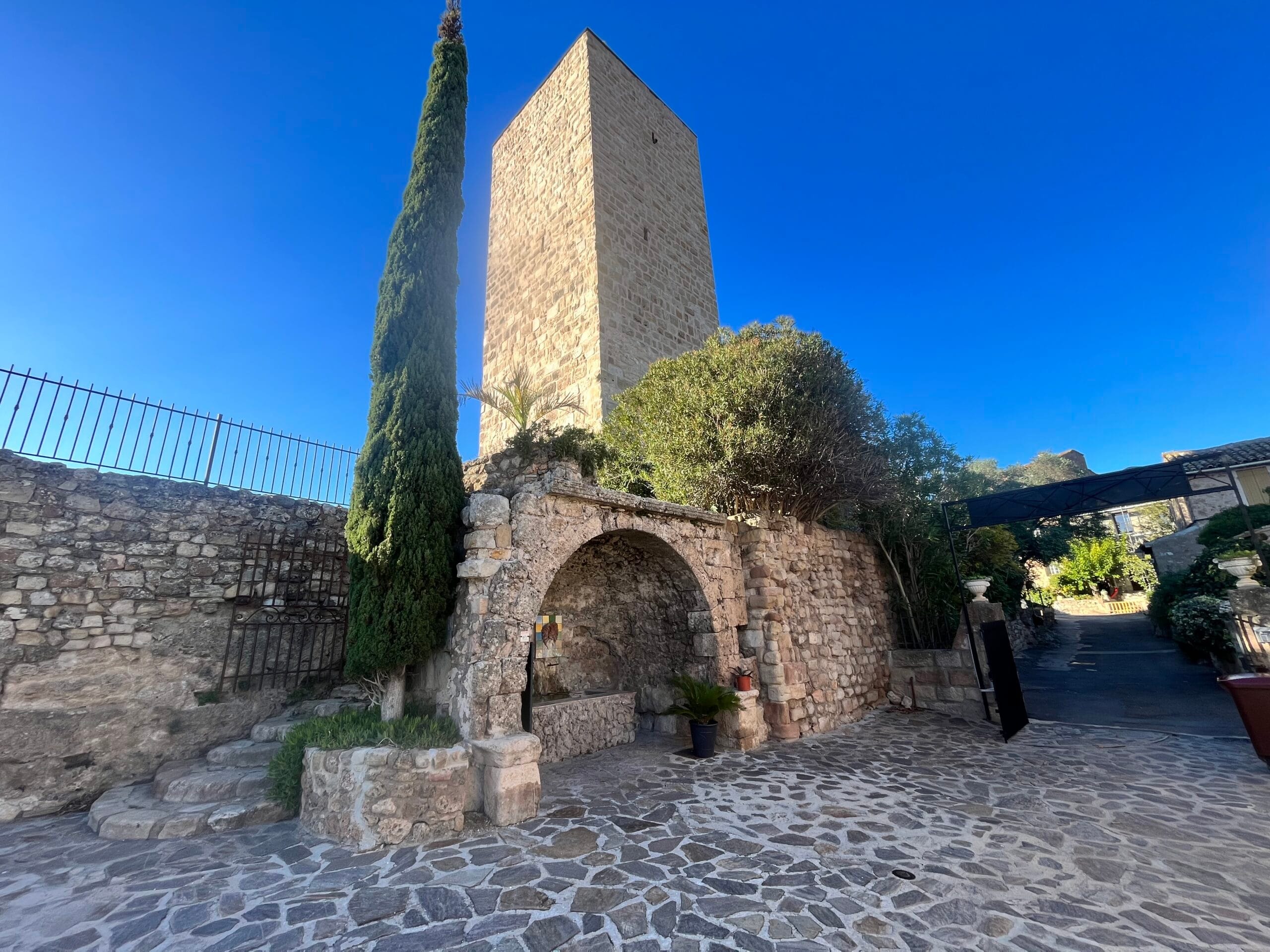
Beyond the famous squares, Provence abounds in more discreet markets, in those perched villages where the bell towers watch over tiny squares. Here, one finds the graceful simplicity of a dozen well-kept stalls, the smell of bread just out of the oven, cheeses from a neighboring farmer, a few jars of homemade jam that won’t go far. The interest of these markets lies in their rootedness and their ability to create a cuisine of the territory in places where, sometimes, the nearest grocery store is several kilometers away. There, one learns the essentials: to cook what comes, at the rhythm of the shadow turning under a plane tree, and to measure the value of proximity.
Weekly rhythms and practical checks
Most Provençal markets follow well-established weekly rhythms, often concentrated in the morning, and complemented by covered halls where a more regular offering can be found. From one village to another, from one season to another, the days may vary, and some prestigious markets sometimes change locations due to construction or public events. Nothing replaces checking with local tourist offices or municipal websites before heading out. Allowing time to park, especially in summer, protects good humor; choosing a comfortable pair of shoes and coming with water, a hat, and a large tote increases the chances of enjoying this morning without rushing. Rain, rare but possible, does not always cancel markets, and the frequent heat requires anticipation. The most well-known markets can be very crowded; that’s the price of their quality, and the opportunity for a total immersion.
A week woven with markets
Imagining a stay in Provence often means imagining mornings that resonate with each other. You wake up just barely, a breeze passes, and you set off. Sometimes you head to a characterful town to venture into a bustling market, other times you choose a village where you know the cheesemonger’s stall is worth the detour by itself. There are no rules, except to let yourself be guided by desire and greed. A beginning of the week can open with tranquil altitude and descend towards the fruit plains, then soar over the hills of Luberon before diving towards the sea for a morning of silver fish and fresh herbs. Each day offers its own score, and you compose your program as you would a dish: a bit of crunch, a pinch of salt, a note of acidity, a touch of shade, a lot of light. In this ballet, certain appointments are essential, but it’s the happy accidents – a producer encountered, a conversation on the doorstep of a hall, a new stand setting up – that ultimately shape the most accurate itinerary.
Between memory and renewal
The must-see Provençal markets are not just those that appear on maps and blogs, but those that, at the moment you pass by, assemble the conditions for a true memory. A sun at the right height, products picked the day before, chatty and cheerful vendors, a square that welcomes you, a bench to sit on to bite into an apricot and lick the juice off your wrist. There is childhood in these details, and something ancient that resists everything that changes too quickly. And then, there is the future, within reach: protecting the soils, cherishing water, paying a fair price, preferring local when possible. Thus, markets remain, not as relics but as places of today, where Provence tells its story in the present. Not to be missed is especially not to miss the appointment with its way of life, simple and generous, where conversation is as valuable as the recipe and where the basket carries, along with the fruits and herbs, a bit of the art of living.