


nature escapades on the Côte d'Azur: from sunrise over the wild caps to high-altitude lakes, through cork oak forests and red cliffs, here is a vibrant, concrete, and sensory itinerary to enchant your steps and truly breathe, far from the tumult of the seafront.
From the sea to the hinterland in 72 hours: a concentrate of fresh air
Land early, keep a light bag, and head straight for a three-day loop that alternates coastal paths, volcanic massifs, and plateaus with scents of garrigue.
Day 1 — Coastal paths and preserved islets
At dawn, follow the sea along the wildest sections of the coastal path. Between Antibes and Cap d'Ail, the carved stairs and shortcuts offer viewpoints over translucent coves where cormorants glide. Bring closed sandals to cross the donkey steps and a windbreaker for the gusts.
For those who base their stay around Nice, the best sections are easily spotted via selections of natural sites listed by themes: caps, waterfalls, plateaus, and forests. There, you will find ideas for short loops, ideal for a first contact with the relief and light.
At the end of the day, head to the small coastal stations for a stress-free return: the railway line hugs the sea and allows you to adjust the itinerary according to the weather and your mood.
Day 2 — Red rocks and fragrant maquis
Head to the Estérel. This massif, with its deep red color, literally plunges into the Mediterranean. The cornices are spectacular, but the real magic is experienced as soon as you enter the forest paths: umbrella pines, tree heaths, and immortelles line the combes. Take the loops of Pic du Cap Roux or Pic de l'Ours in the early morning: the sea appears like a silver plate, and your steps undulate on a garnet-colored land.
After the hike, dip your feet in a calanque under the shade of a rhyolite arch. Recommended gear: grippy shoes, hat, two liters of water per person, small first aid kit (the dried oueds sometimes hide unstable stones).
Day 3 — First mountains and perched villages
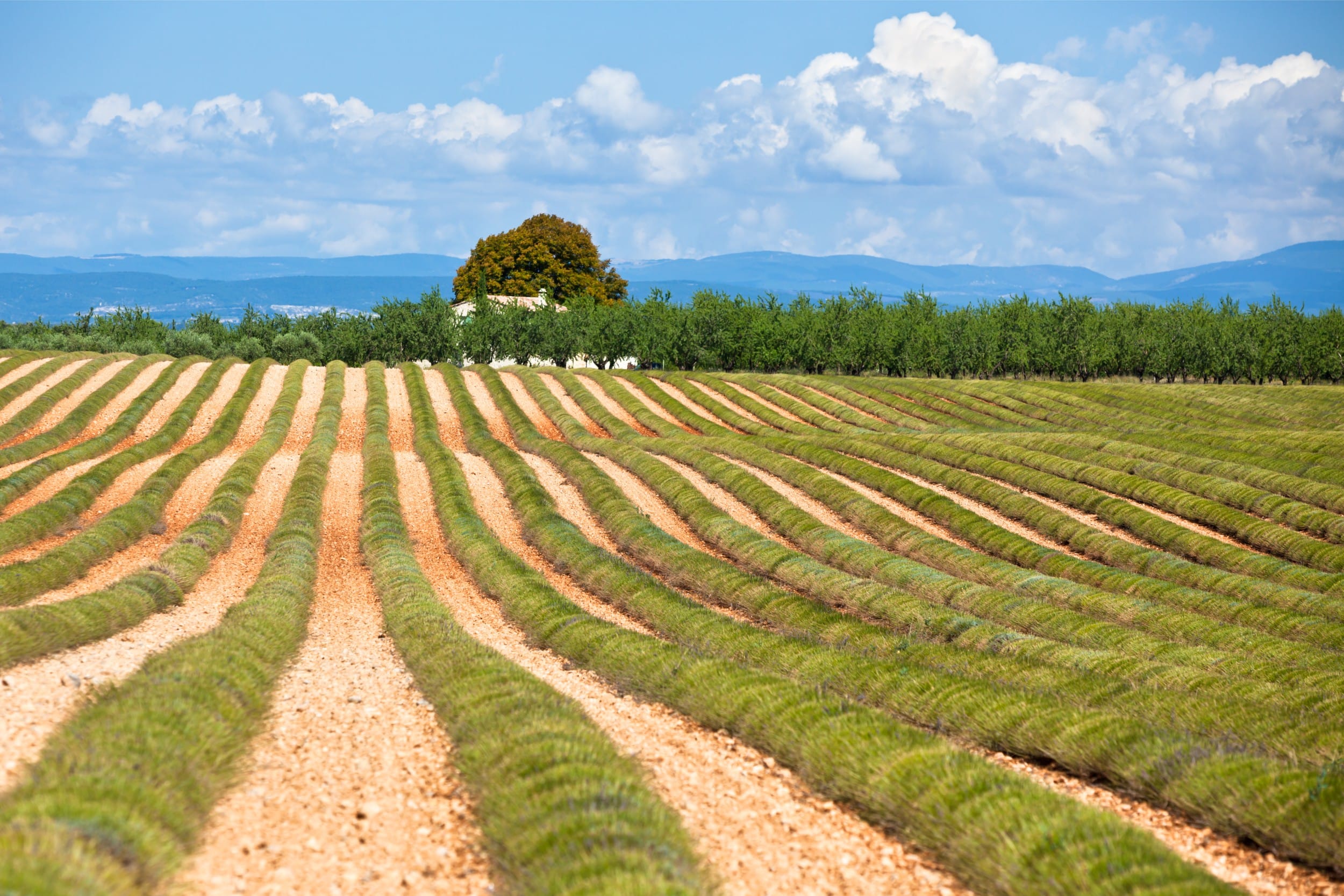
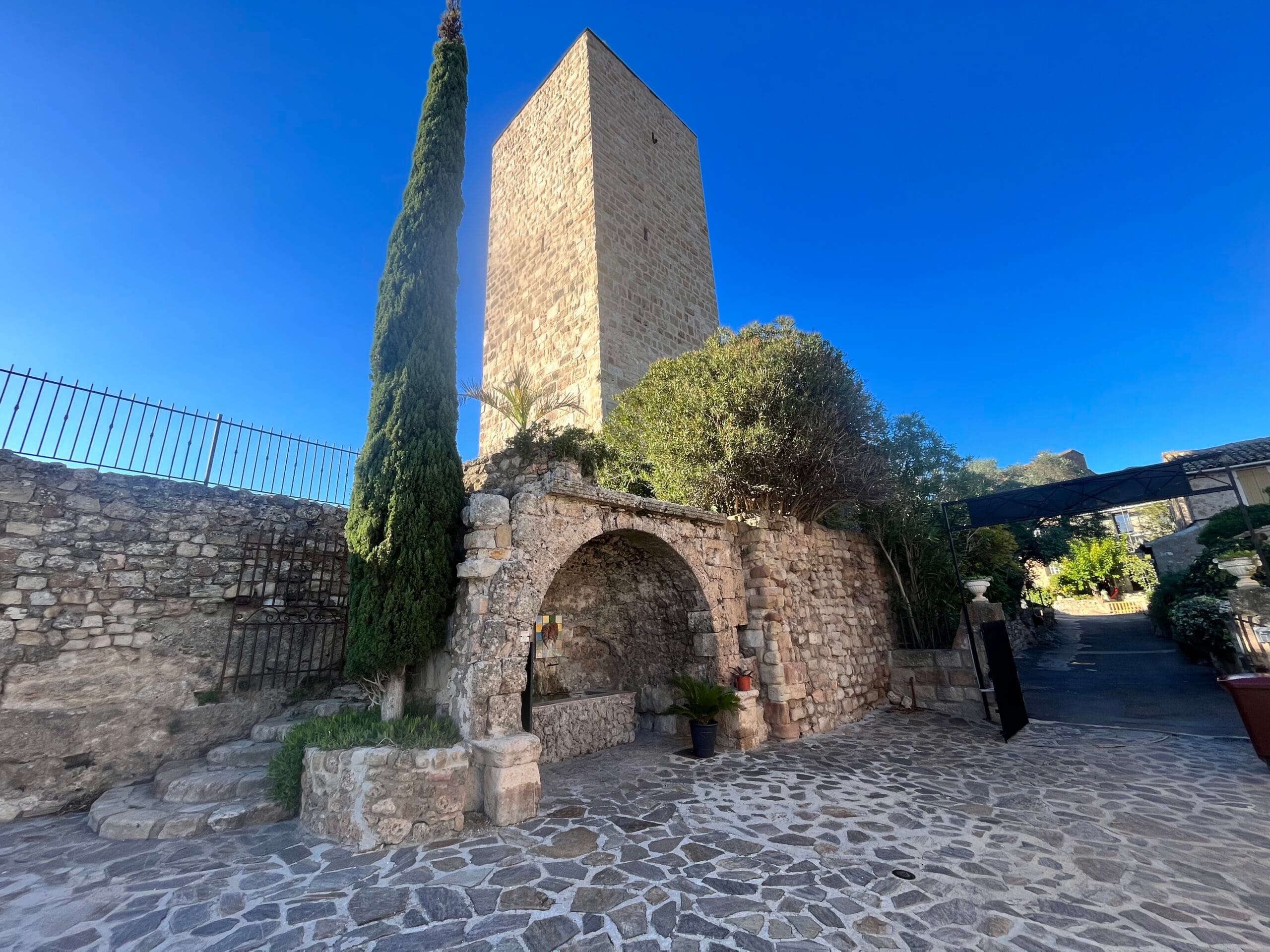
Head to the hinterland: chestnut groves, plateaus, and gorges sculpted by rivers. Stroll through a perched village with cobbled streets, climb a viewpoint above the olive terraces, then treat yourself to a swim in fresh water under the afternoon sun. Remember to alternate exploration time with sensory breaks: listen to the bees in a field of lavandins, count the raptors drawing large circles above the valleys, smell the resin warming on the paths.
Coastal walks away from the crowds: caps, points, and islets
Along the shore, forget the lined beaches of sun loungers. Instead, look for the caps: Dramont, Taillat, Ferrat, or the discreet points accessible by a staircase between two villas. The golden rule: leave early, respect private properties, and follow the official markers. These paths, sometimes damaged by salt, require sturdy soles.
To vary the pleasures, combine a morning walk with a snorkeling tour in a protected cove: seagrass meadows, small groupers, and starfish add an underwater dimension to the walk. In the afternoon, head up to a lighthouse or semaphore lookout to read the landscape: current patterns, silhouettes of the islands, bird corridors.
Need a room? Book directly!
If you are staying near the azure capital, draw inspiration from selections like What to do around Nice to mix walks, local gastronomy, and sunset viewpoints without multiplying trips.
And to complement this program with cultural outdoor ideas, you can draw from Nature, culture... What to do on the Côte d'Azur?, a simple introduction to combine walks and creations, remarkable gardens and artistic outdoor trails.
Red massifs and forest trails: the Estérel in slow mode
The Estérel is the obvious choice for those seeking a sensory immersion without driving far. Three ideas to savor it differently:
– The back roads: instead of the famous ridges, chain the lower trails that flow between the rocks. The colors are more saturated, the maquis more fragrant, and you encounter more local runners than crowds.
– The golden hour slot: between dog and wolf, the red rock shimmers; it’s the ideal moment for photography and observing the birds returning to the pines.
– The duo hiking + swimming: tie your scarf, put away the poles, and head down to a calanque, then return by a different route: looping means multiplying perspectives.
If you prefer the big postcards to check off in parallel, take a look at synthetic panoramas like the Top 12 must-see places or the 20 places to visit during your vacation.. Use these lists as a compass, then divert from them to create your own variations along the scents and the wind.
Between gorges, plateaus, and lakes: the call of the hinterland
One or two hours from the coast, the air cools, and the panoramas open up. Here, dry stones, olive groves, and waterfalls compose a soothing triptych. The gorges invite both contemplation and effort: water's edge routes for breathing, ridge loops for the breath.
Organize your day around a water point (lake, river, basin) where you can picnic and take a nap. Essential reminder: these environments are fragile. Step back a few paces from the banks to avoid trampling the seagrass, and take your waste back with you, even biodegradable ones.
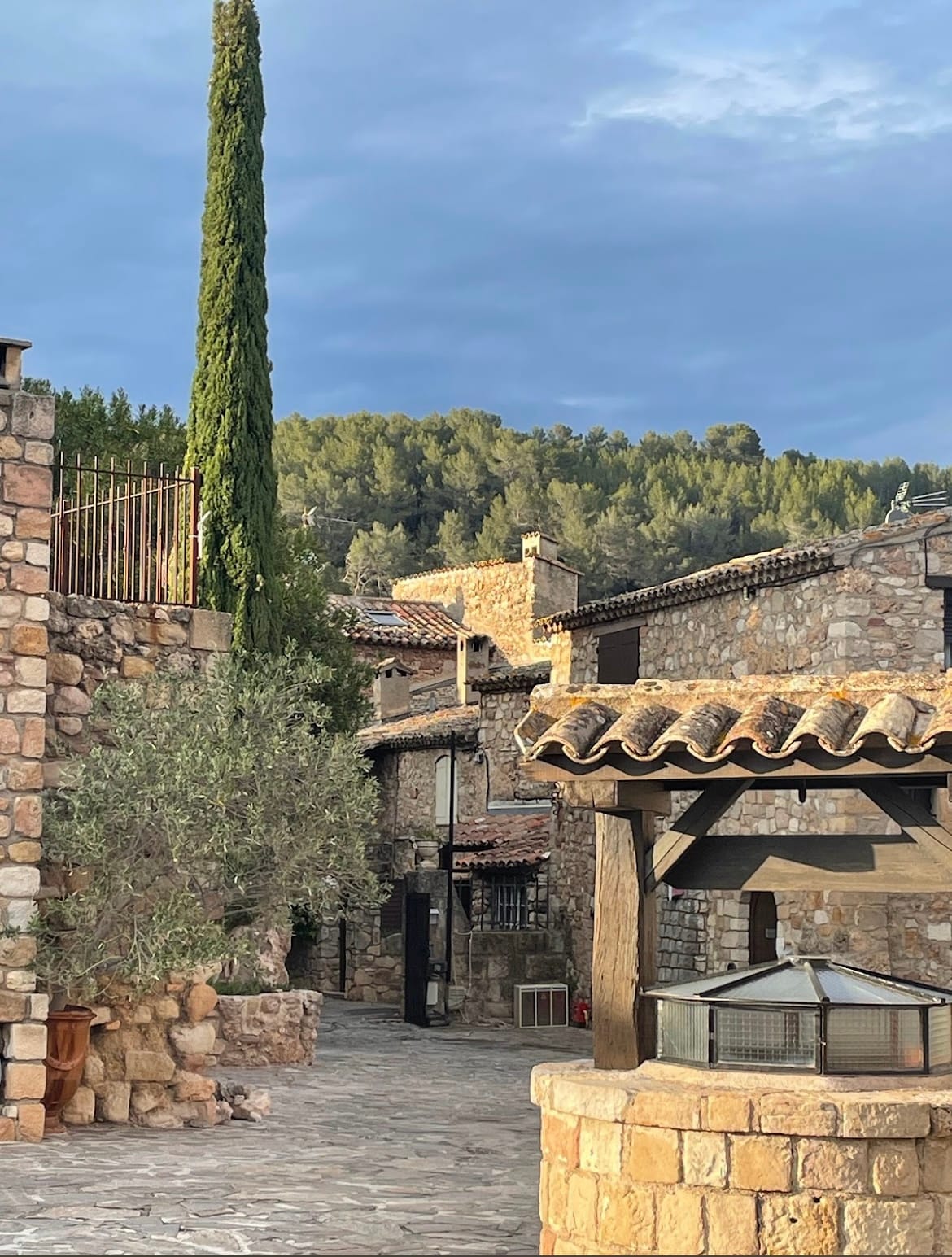
Around Draguignan, the hills, agricultural estates, and small roads lined with walls form an ideal mosaic for those who enjoy alternating walking, cycling, and gourmet breaks. To not miss out on the great local stops, draw inspiration from these activities around Draguignan that mix heritage, water points, and artisans.
Want a slow and silent aquatic experience? Rent a kayak on a calm stretch of river, set off early, spot the low passages under the branches, and let yourself be guided by the light. Along the water, kingfishers dart like blue flashes, frogs punctuate the bank with a minimalist concert, and you realize how refreshing is a summer luxury.
Really settle down: accommodations, hot baths, and the sweetness of life
This journey is enhanced by moments of stillness. After a day on the trails, treating yourself to a spa treatment, a hot bath, or a quiet dinner prolongs the pleasure of the effort. If you are staying in Var, you can target the most beautiful spas in Var to relax the muscles and sleep deeply.
In pairs, nothing resembles a break like a cozy place, soft light, and breakfast served on the terrace to the sound of cicadas. To prepare for this type of getaway, follow these ideas for romantic stay in a charming hotel and frame your days around sunrises and sunsets.
Need to bond a team, celebrate a big moment, or share a ceremony in the heart of a wooded park? Historic homes open their doors to groups: here’s how organizing a seminar or a wedding in a castle while respecting local rhythms and landscapes.
And if you already have your dates, save time by thinking about booking your room directly to ensure flexibility and the best conditions.
Thematic itineraries: birds, forests, vineyards, and olive groves
– Birds and wetlands: favor autumn and spring. Bring compact binoculars and a notebook. Coastal sites and river valleys then reveal a ballet of migrants. Walk slowly, whisper, stay away from the reeds.
– Forests and green baths: in the heart of cork oaks and maritime pines, slow down and breathe deeply. The scrubland, in summer, releases its essential oils to those who accept to sit for ten minutes on a warm rock. Avoid the hottest hours, prefer the early morning slot.
– Vineyards and olive trees: wander between terraces and aligned rows, observe the walls, the huts, and the irrigation system. Many estates welcome walkers and cyclists and sell oil and wine directly. Always ask before taking a private path; a greeting and a smile open doors.
Need a room? Book directly!
Sea and mountain in the same day: mercury, weather, and microclimates
This territory is a mosaic: 25 km sometimes separates a swim from a mushroom picking. Enjoy the microclimates. At dawn, the land breeze makes the sea smooth as a lake: perfect for paddleboarding close to the rocks. At noon, the heat turns forest paths into an oven: shelter in a shaded hollow. At 4 PM, head to higher altitudes for a short loop and dinner on the terrace, your skin still salty from the morning.
In winter, the high valleys welcome snowshoe hikes; in spring, the waterfalls overflow; in summer, the hinterland offers the shade that walkers dream of; in autumn, the lights and warm sea extend the season.
Simple rituals to intensify the journey
– Walk at sunrise every other day.
– Be silent for ten minutes at each viewpoint.
– Carry a maximum 30-liter bag to keep your pace light.
– Learn three aromatic plants: cistus, immortelle, rosemary. Recognize them, smell them, associate them with a memory.
– Note the sounds: splashing, cicadas, church bells, coastal train. Hearing them anchors a memory different from images.
Essential precautions on the trails
– Hydration: two liters of water per person in summer, one and a half liters in spring/autumn. Lightly salt your snacks to compensate for mineral loss.
– Fire: never light a flame near the maquis; monitor prefectural orders; give up if the wind picks up.
– Heat: cap, sunglasses, cream, lightweight long-sleeve T-shirt. Better to have one more sleeve than a sunburn that ruins the rest.
– Orientation: the markers are generally clear, but an offline map and an external battery provide peace of mind in case of an unexpected detour.
Bike, train, bus: combine freedom and sobriety
The coastal train is an ally: you walk between two stations, trade the return for a swim. Buses go up to the perched villages: practical for saving a climb and focusing effort on the ridges. The bike, electric or not, opens up intermediate routes: follow a watercourse, stop at an oil mill, climb towards a small pass, descend at blue hour.
Golden rule: check the bike transport policy by line and avoid peak hours. In summer, leaving early is worth all the tips.
Stays through the seasons
Spring: flowers, waterfalls, still fresh trails, warming sea, photogenic morning mists. Ideal roadmap for those who want to vary terrains without heatwaves. If you target this period, here are some ideas to articulate with your walking desires. sunny destinations in Provence Summer: slow pace, naps, swimming in fresh water and forest trails. Multi-activities: paddle early, hiking in the undergrowth, nap, sunset on a windy cape.
Autumn: light, grape harvest, smells of damp earth, flaming skies above the ridges. Ideal for photography and long loops.
Winter: high valleys, accessible ridges depending on snow cover, villages at a slow pace, peaceful cafes. The perfect time to rediscover classic routes without crowds.
Gourmet stops and local know-how.
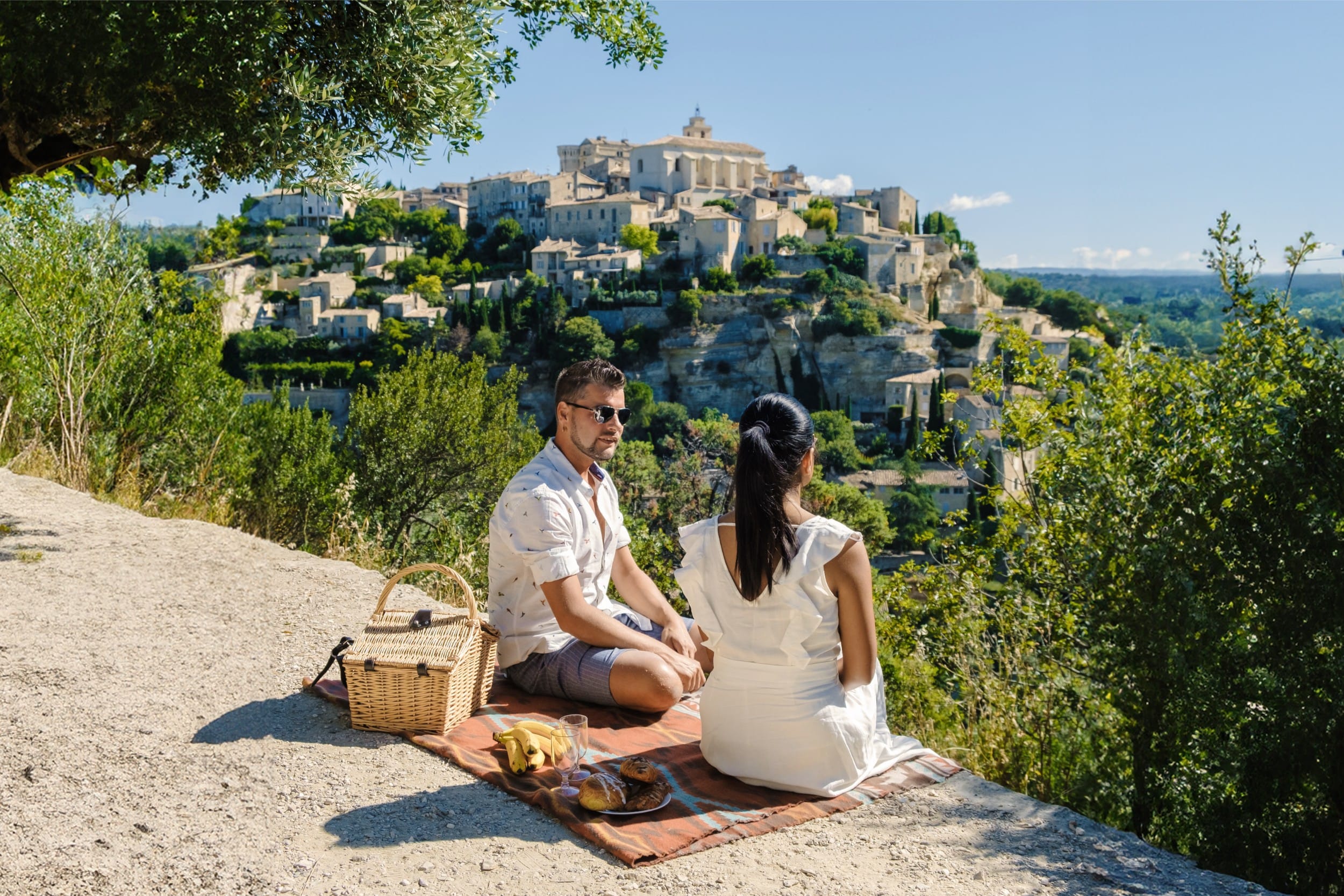
A basket, a few artisans, simplicity makes the difference. Fruity green olive oil, goat cheeses, sourdough bread, herb-flavored salt, late oranges or end-of-summer figs: create a local picnic. Buy directly from producers when possible. At the table, choose terraces away from main roads, in shaded squares where swifts fly. Time stretches, and the next day's hike gains intensity when you sleep well.
Loop ideas for all levels.
– Beginner: 2 hours on a cape with low elevation gain, swimming break, return through the interior of the cape. Goal: walk without fatigue, learn to read the markings, feel the rhythm of the waves.
– Beginner: 2 hours on a cape with low elevation gain, swimming break, return through the interior of the cape. Objective: walk without fatigue, learn to read the markings, feel the rhythm of the waves.
– Intermediate: 4 hours in the Estérel, alternating between trails and single tracks, two viewpoints, descent to a cove, swim and gentle ascent.
– Advanced: 6 to 7 hours in the hinterland, ascent on a ridge, crossing a plateau, descent to a stream for a nap, ascent through a wooded valley. Moderate but continuous elevation gain, management of water and sun.
Need a room? Book directly!
Car-free micro-adventures
Set up your base camp near a well-served train station, and radiate out. Typical example: sunrise on a cape accessible on foot, return to the station, train to a village in the hinterland, walk to a waterfall, bus back down at the end of the day. Two days are enough to feel the diversity of landscapes and atmospheres.
Bonus point: this format relieves the pressure of parking in sensitive areas and helps lighten the overall footprint of the stay.
Photographing without disturbing
By the water, stay away from protected species (seagrass, plover nests). In the forest, avoid using drones without permission: besides the impact on wildlife, it is often prohibited. Prefer patience over rushing to spots: the light changes in a few minutes, and the second plan of a viewpoint often reveals an unknown composition. A lightweight telephoto lens for birds, a fixed focal length for atmospheres… and a waterproof bag to protect equipment during impromptu swims.
Framework for a rejuvenating weekend
Friday evening: arrival, light dinner, stretching, early bedtime. Saturday: wake up before sunrise, coastal loop, nap, local tasting, return to a quiet terrace. Sunday: forests or gorges, swimming in fresh water, reading in the shade, evening train. Without rushing, you will have crossed three atmospheres, sensed three smells, seen three lights.
Mindset: explore delicately
Listen, greet, thank. Close gates, stay on paths, respect crops and livestock. Get news about the trail at the local café: Is it passable today?, Is the passage muddy?. These exchanges are part of the journey, they open up variations that maps do not indicate. And sometimes, a local will offer you access to a hidden water point, a forgotten viewpoint, or a story that will give a new depth to the walk the next day.
In summary: create your own rhythm
The coast for the light, the red rocks for the spectacle, the hinterland for serenity: the key is to alternate. Follow a classic morning then diverge in the afternoon towards an unexpected hollow. Get inspired by a list, then stray from it to savor the unexpected. Travel light, walk early, really settle down, reconnect with simple gestures: drink, breathe, look, listen.
In every season, with every energy, a way to cross atmospheres and reinvent your steps. And, more than anything, the pleasure of returning with the desire to go back — because here, the sea and the hills converse, and you can hear this exchange as soon as you slow down your pace.