


Choose the right setting: places that truly help you disconnect
green offsite seminar — When the goal is to bring a team together, clarify a vision, launch a project or simply rebuild connections, the setting matters as much as the agenda. A green environment acts as a subtle accelerator: you breathe better, walk more, chat more easily, and naturally break out of overly formal meeting patterns. But not all green venues are equal. The question is not just being surrounded by trees: it’s about finding the right balance between accessibility, comfort, workspaces, catering and activity options.
Before choosing a destination, ask yourself some very practical questions: how many participants? how many rooms needed (plenary + breakout)? what time span? what level of accommodation? what transport constraints (train, carpooling, late arrival)? and above all, what intention: intensive work, team bonding, creativity, executive committee, training session? That intention will guide the choice of venue type: estate, nature hotel, bookable gîte, country house, eco-lodge, castle, renovated farm or seminar center on the edge of a forest.
Close to the city: the green option without heavy logistics
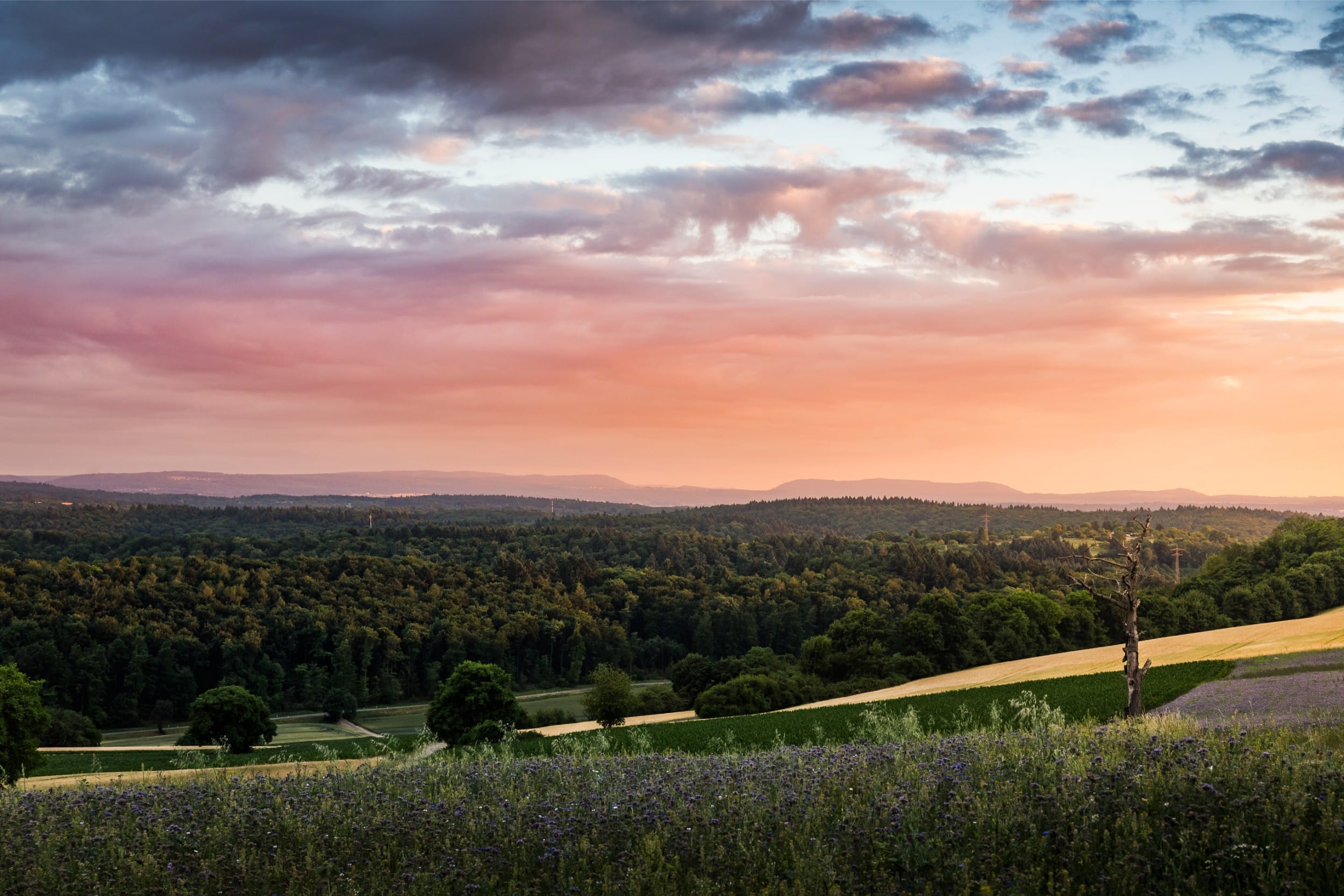
If you want to limit travel time (especially for a day or one night), the option close to the city is often the most effective. In practice, that means: a venue reachable in 45 to 90 minutes from a major employment area, yet sufficiently change-of-scenery to alter the pace. It’s ideal for hybrid teams that meet occasionally, or for companies wanting to reduce their carbon footprint by avoiding flights and long distances.
Around Paris for example, forests, estates and country houses offer a very rich playground: bright meeting rooms, terraces for workshops, gardens for informal moments, and sometimes on-site team-building activities. To explore concrete options, you can consult Green Offsite Seminar in Île-de-France & near Paris, useful when you want to reconcile accessibility with a genuine nature break.
The main advantage: you reduce travel fatigue. The main pitfall: choosing a venue that’s too urban in disguise, where the same office automatisms reappear. To avoid this, favor sites with usable outdoor space (park, avenues, vegetable garden, pond edge) and adaptable spaces that allow you to break the all-day U-shaped table configuration.
Deep countryside retreat: for seminars that transform
When you go further away, you gain immersion. Conversations continue after sessions, evenings become moments of bonding, and participants more easily project themselves into a collective dynamic. This option is particularly relevant for a strategic seminar, a reorganization, a product launch, or team consolidation after an intense period.
The countryside also offers a density of experiences very conducive to work: silence, open skies, walks, convivial meals, and a feeling of regained time. Exceptional venues in nature (estates, properties, renovated old farms, family houses) often have a soul that encourages more genuine exchanges, away from the formality of corporate spaces. To inspire you, the selection Exceptional green seminar: the calm of the countryside highlights environments where tranquility becomes a work asset.
Need a room? Book directly!
In return, organization requires more anticipation: train times, shuttles, carpooling, check-in, dietary constraints, and the need for a clear schedule. Golden rule: the farther you are, the more self-sufficient the venue must be (sufficient accommodation, reliable catering, audio/video equipment, alternatives in case of rain, break spaces, stable wifi if needed).
Sea, mountain, forest: which landscape for which objective?
The setting is not just a matter of aesthetics: it influences the group's energy. Here are some simple guidelines to choose a landscape that serves your intent.
Forest: focus, walking, deep conversations
The forest is perfect for formats alternating short sessions and active breaks. A trail accessible from the venue allows for walk & talk sessions (paired meetings while walking), very effective to untangle sensitive issues or generate ideas. It is also a reassuring setting for teams that need to refocus.
Sea: breathing, creativity, sense of space
The coastline works well to rekindle motivation and open up perspectives. The sound of the waves and the horizon create a reset effect. Ideal for an ideation seminar, a roadmap, or a celebration. Note, however: in high season some places become more touristy, and thus less conducive to calm.
Mountain: cohesion, shared effort, intensity
The mountains stimulate solidarity and commitment. Possible activities (hiking, snowshoeing, mountain biking, via ferrata depending on level) create a natural team spirit. It’s an excellent choice to bond a group, provided you anticipate differences in fitness levels and offer options accessible to everyone.
The right criteria for a green venue (beyond the photos)
Many venues sell very well on image. To avoid unpleasant surprises, confirm a few essential criteria before booking.
1) Suitable workspaces. A beautiful room is not enough: you need proper acoustics, natural light, pleasant ventilation, comfortable chairs, and a flexible layout. If you plan workshops, you also need ancillary spaces (lounges, small rooms, quiet corners) to work in subgroups.
2) Usable outdoor areas. A park is useful only if you can do something there: set up an outdoor workshop, host a reception, walk easily, or simply sit. Check for shaded areas, water points, and a plan B in case of fickle weather (canopy, glasshouse, lounge).
3) Coherent catering. The kitchen is a pillar of the seminar: it affects energy and mood. Favor seasonal menus, flexible schedules, and the ability to handle allergies and diets (vegetarian, gluten-free, etc.). A buffet that is too heavy can weigh down the afternoon; a lighter, local, well-paced format makes all the difference.
4) Accommodation and sleep quality. Bedding, soundproofing, room temperature: these are details that determine the quality of the next day. A venue surrounded by nature must allow for recovery, otherwise the second day becomes less productive.
5) Accessibility and logistics. A beautiful venue that is impossible to reach without a car will complicate buy-in. Ideally: a reasonably close train station, transfer solutions, parking, and clear directions. Also consider late arrivals and early departures.
Destination ideas in Provence and the Var: nature, villages and a gentler pace
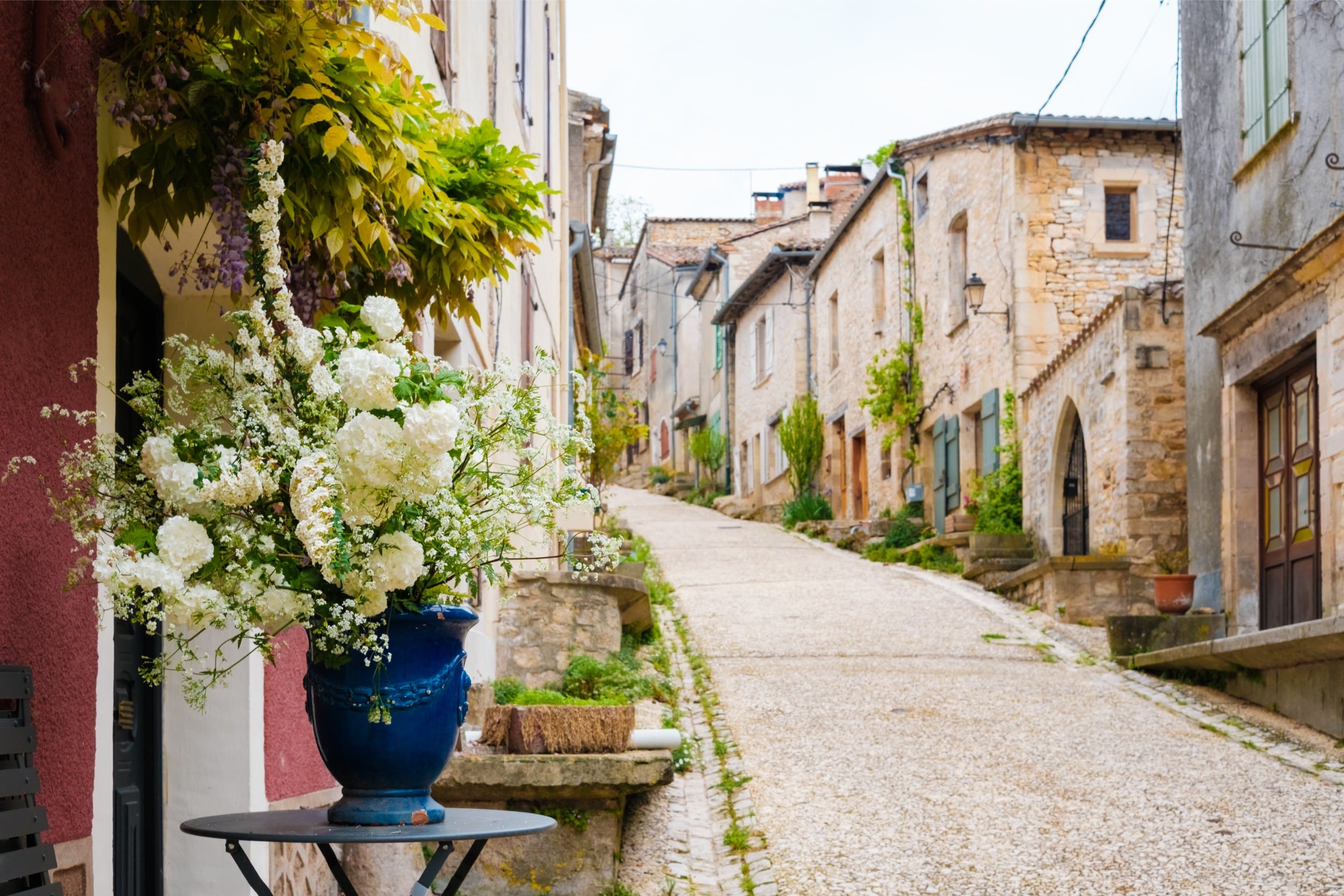
If you are looking for a mix of landscapes, light and heritage, Provence and the Var are particularly favorable areas. You can find estates surrounded by vineyards, bastides, charming hotels, but also a variety of experiences easy to integrate into a program: markets, workshops focused on local products, trails, hilltop villages, tastings (in moderation), and outdoor evenings for much of the year.
To bring a sense of discovery without falling into mass tourism, flowered villages and small communes offer an excellent compromise: beautiful settings, a relaxed pace, and walks accessible to everyone. For ideas for routes and stopovers, the resource The most beautiful flowered villages of Var can help imagine a program balanced between work and breathing.
In this region, the right instinct is to plan sequences that respect the local tempo: start early when it’s hot, schedule workshops in the late afternoon, and reserve convivial moments outdoors. The effect on group dynamics is often remarkable: you slow down without losing effectiveness, and discussions become more substantial.
Integrating the slow spirit into a seminar: less filling, more impact
A successful seminar is not one where slides are stacked one after another. It is one where you leave with clear decisions, strengthened bonds and renewed energy. The slow approach works very well in green settings: it values time for reflection, active breaks and participatory formats. Instead of filling every minute, you structure short, intense sequences followed by useful breaths (walk, creative workshop, talking circle, individual debrief).
Need a room? Book directly!
To design this type of experience, you can draw inspiration from Slow-travel weekend: take your time in Provence, which illustrates well how taking time can become a real lever for quality, even in a professional context.
Concretely, here are three simple formats to try:
• The walking meeting (30–45 min). Two by two, with a specific question. On return, each person shares one key idea.
• The one-page workshop, no more. Each team synthesizes a topic on one page: objectives, risks, decisions, next steps.
• The silent debrief. 10 minutes of individual writing before sharing with the group. It improves clarity and reduces group biases.
Team-building activities: favor meaning over performance
Outdoor activities don’t need to be spectacular to be effective. Often what bonds a team is a simple, shared experience: cooking together, learning a craft, taking a guided walk, or attending a nature workshop (plants, permaculture, beekeeping). The idea is to create shared memories without excluding those who don’t want to push themselves.
Another option, more intimate and much appreciated in executive committee formats or small groups, is to offer a moment of true recovery: spa, hot bath, wellness area. Without making it the centerpiece of the program, this parenthesis can help release pressure and make exchanges flow more easily. Depending on the positioning of your event, the page Romantic getaway with private hot tub can give ideas on how to integrate premium comfort, useful when you want to care for the overall experience (and not just the meeting room).
Think seasonally: the right venue isn’t the same in June and in November
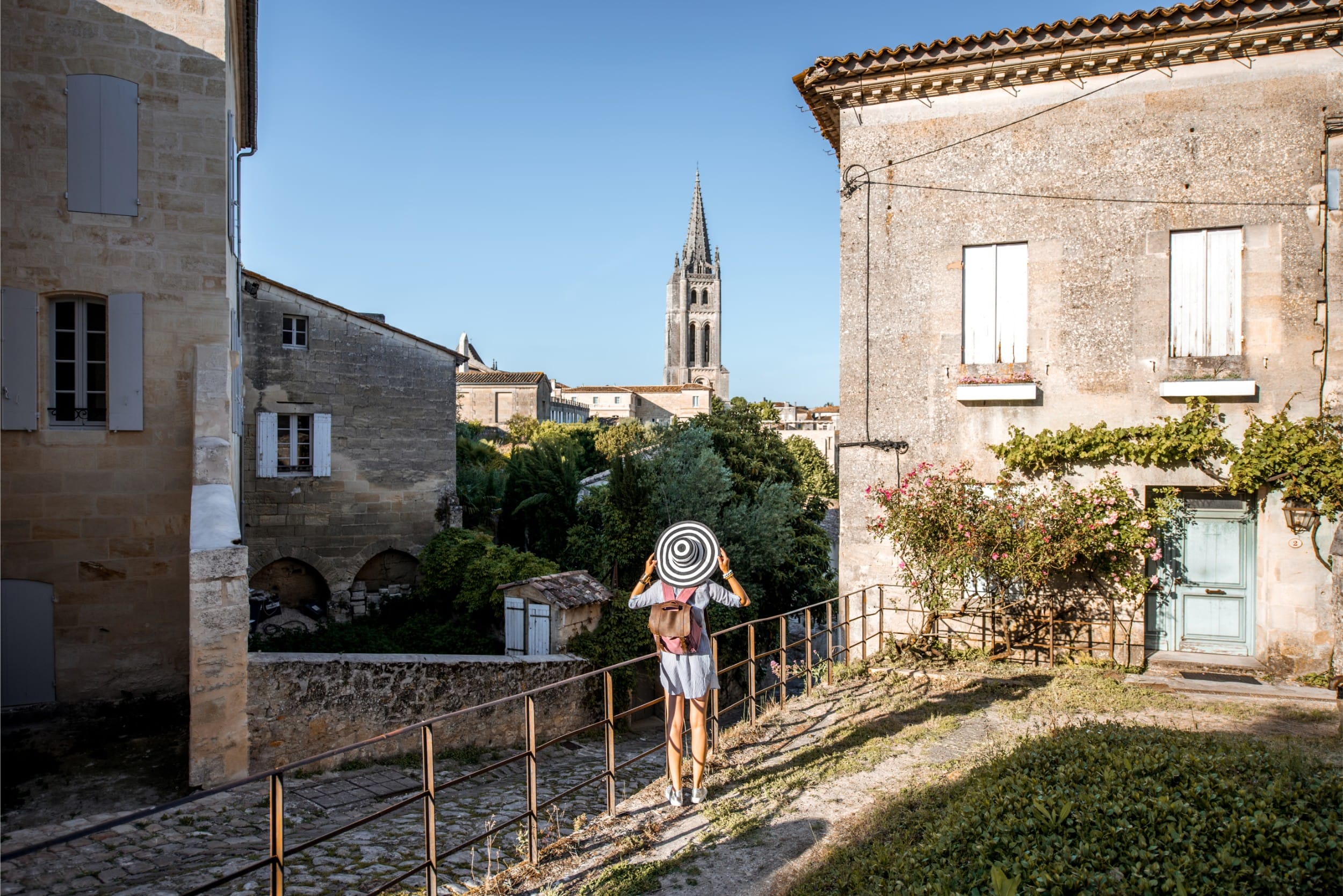
A often underestimated angle: the season completely transforms the experience. The same estate can be perfect in spring and less suitable in mid-winter if indoor spaces are too small, poorly heated, or dim. Conversely, autumn offers an ideal atmosphere for working: pleasant temperatures, soft light, colorful landscapes, and often fewer crowds.
If you’re considering an off-season session, the inspiration Autumn getaway: the colors of Var can help build a cozier seminar, with more focused workshops and convivial indoor moments (while keeping short, accessible outings).
Some practical recommendations by season:
• Spring: perfect for alternating indoor/outdoor, plan outdoor workshops and nature activities.
• Summer: beware of heat, favor mild air conditioning, shade, and adjusted schedules.
• Autumn: excellent for strategic thinking, plan fireplaces and cozy spaces.
• Winter: check insulation, lounge sizes, transport options, and the overall atmosphere.
Tools to find a venue: platforms, curated lists, comparison sites
To save time, some platforms list venues with filters (capacity, facilities, accessibility, surroundings, budget). They are useful for getting an initial shortlist, especially if you are organizing the seminar in a region you don't know well. Among the available options, Green Seminar: Book a Green Venue at the Best Price can serve as a starting point to compare settings, identify layouts and refine your criteria.
In any case, don't stop at the listing: ask for a floor plan of the rooms, recent photos, dimensions, equipment list, and a sample menu. And if possible, do a visit or a quick site check: it's often there that you spot the decisive details (noise, lighting, flow between spaces, quality of the rooms).
Build a program that truly benefits from the green setting
The risk is organizing a seminar like at the office, but with trees around it. For the setting to play its role, script the day: short, dynamic starts, participatory workshops, outdoor breaks, and deliberate informal moments. It is often these gaps that create the best decisions, because they foster trust and speaking up.
Need a room? Book directly!
Here is a simple 24-hour schedule example:
• Day 1 morning: alignment (objectives, ground rules, expectations).
• Day 1 afternoon: breakout workshops + concise debrief.
• Late afternoon: guided walk or walk & talk (strategic question).
• Evening: shared dinner + free time (without overloading).
• Day 2 morning: decisions, priorities, action plan and owners.
• Departure: individual commitment (what I’ll do starting Monday).
Accommodation: plan ahead to avoid friction
A countryside seminar can quickly become complicated if accommodation is scattered or if there aren’t enough rooms. Ideally, everyone should stay in the same place, or at least within walking distance, to preserve cohesion and punctuality. If you’re organizing an event at a venue with direct booking, use a simple, centralized solution. To simplify the accommodation part, you can rely on Need a room? Book directly!.
One detail that changes everything: room allocation. If you mix very different profiles (early birds/night owls, introverts/extroverts), plan for quieter options and avoid putting everyone above the party room. Sleep quality is a hidden ROI: it determines attention, mood, and decision-making ability.
Final checklist: avoid common pitfalls
• Too far, too fast: if the journey is long, plan for an earlier arrival or a gentler start.
• No weather contingency: check indoor spaces for workshops and convivial moments.
• Unreliable Wi‑Fi: if you need it, test it or ask for guarantees (and plan alternatives).
• Polarizing activity: choose inclusive options, with several levels of intensity.
• Unrealistic timing: leave buffers, especially between workshops, meals and transfers on site.
• Vague objectives: clarify the decisions expected, and end with a concrete action plan.
Conclusion: the best venue is the one that serves your intent
Organizing an offsite retreat in nature means choosing a setting that facilitates listening, creativity and cohesion. Close to a major city to limit logistics, in the countryside for total immersion, in the forest to focus, by the water to broaden perspectives: each option has its strengths. The key is to align the venue, the season, the program and the level of comfort with what you aim to achieve. If the setting is well chosen and the schedule well thought out, nature is not a backdrop: it becomes a real working tool.