


The Var, an ideal destination for an oenological stay between sea, hills and villages
oenotourism var — In the Var, everything invites you to compose a stay that alternates tastings, walks among the vines, gourmet discoveries and contemplative pauses. You easily move from a fragrant scrubland landscape to a cooler valley, from terroir close to the coast to more inland hillsides, always with that Provençal light that gives the trip a holiday feel. The interest of an oenological stay in the Var is precisely this diversity: wine styles, soil types, microclimates and know-how answer each other from one estate to another, while remaining within reasonable distance to organize a coherent itinerary over a weekend or several days.
Whether you like characterful rosés, finely cut whites or more structured reds, the department is perfectly suited to progressive discoveries. Cellars and estates are used to welcoming visitors, and many offer varied visit formats: guided tastings, tours of the cellars, walks in the vineyards, food-and-wine pairings, sometimes even playful workshops. The idea is not to run from tasting to tasting, but to choose a few strong stops, take the time to talk, observe, understand, then connect everything to the local art of living.
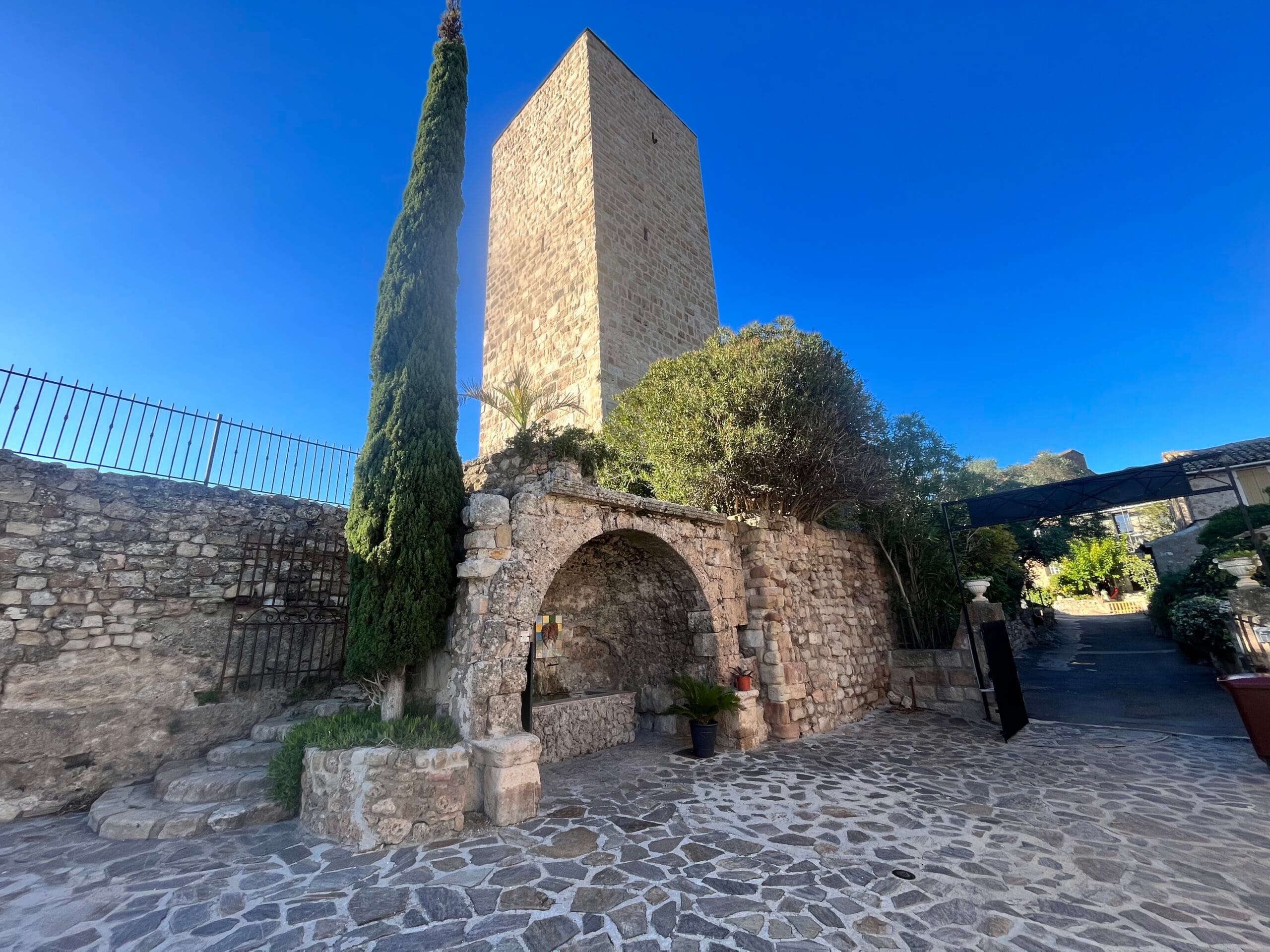
Choosing your itinerary: wine route, confidential estates and tailor-made experiences
To build a relevant route, start by defining your pace. Some travelers prefer a wine-route approach with several estates over two days, others opt for a slower immersion: a single area, a few in-depth tastings, and time for markets, local cuisine, villages and nature. The right formula also depends on the season: in spring and autumn, temperatures make outdoor visits easier; in summer, favor early slots, shady places and cooler tastings (often focused on whites and rosés), with swimming or nap breaks.
If you are looking for a practical selection of properties to discover, you can consult the best estates and vineyards in the Var to visit. It’s a good starting point to spot styles, zones and types of hospitality offered, then refine according to your wishes: more for panorama and architecture, more for family tradition, more for organic approach, or more for a complete experience with on-site dining.
Tasting in the Var: how to make the most of it
A successful tasting begins even before raising the glass: observe the place, ask questions, listen to the story. In the Var, cellar teams often take the time to contextualize the wine: the exposure of the plots, the influence of the wind, the effect of the soils, vinification choices. The more you indicate your preferences, the more targeted and enjoyable the tasting will be.
On site, adopt a comfortable pace: generally start with whites, then move on to rosés, then finish with reds, and if needed end with a more concentrated cuvée or an ageworthy wine. Don’t hesitate to spit: it’s the best way to keep a true capacity for analysis and to enjoy the rest of the day. Also think of water and a small snack, especially if you are doing several visits in a row.
Need a room? Book directly!
To prepare a visit that combines discovery of the place, explanations and tasting, you will find concrete ideas via doing a wine tasting and visiting a cellar in the Var. This type of resource helps visualize the sequence: welcome, optional walk, visit to the cellar, explanation of the ageing, then guided tasting.
Food and wine pairings: the key to anchoring memories
In the Var, the oenological experience takes on another dimension when combined with local gastronomy. Rosés naturally pair with sunny cuisine: grilled vegetables, tapenade, fish, seasonal salads, herb-based dishes. Whites can reveal their precision with seafood, fresh cheeses, lemony or mildly spiced dishes. Reds, depending on their structure, go very well with stewed meats, mushroom dishes, grilled foods, or matured cheeses.
If a domaine offers pairings, take advantage of them: this allows you to understand how a wine behaves at the table (acidity, texture, bitterness, length). If not, compose your own tasting workshop: buy some products at the market (olive oil, goat cheese, charcuterie, tomatoes, bread), then taste quietly in the evening. The best memories often come from these simple moments, when you rediscover in the glass the sensations of the day.
Oenological weekend: 2 to 3 well-balanced days
In a short format, the objective is not to overload. A good weekend is built around 2 or 3 domaines maximum, complemented by activities to discover the area. For example: arrival at the end of the day, dinner in a village; the next morning a visit and in-depth tasting, light lunch, afternoon walk; second morning devoted to another domaine, then return at the end of the day.
For those who want an all-in-one solution (accommodation + experiences), there are dedicated packages such as Wine weekend & Wine tasting stays in Var. Even if you prefer to organize things yourself, these offers can inspire a realistic pace and combinations that work.
Practical tip: limit driving
If you plan several tastings, anticipate transport. Ideally stay as close as possible to your visits, share the driving between two people, or favor a day on foot around your accommodation if the area allows. In high season, book your slots: many estates organize visits by appointment to ensure a quality experience.
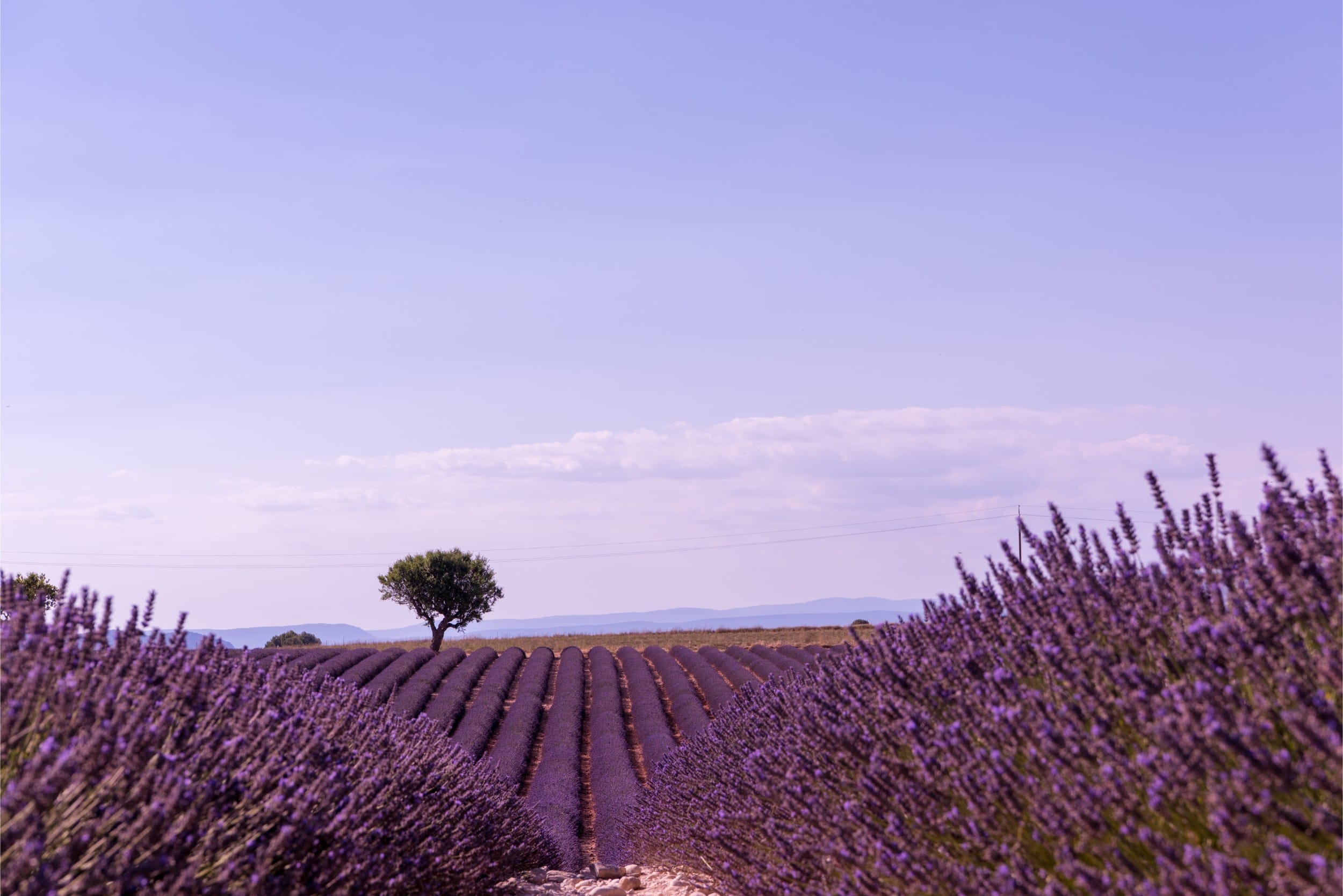
Longer stays: immersion in Provence and complementary discoveries
With 4 to 7 days on site, the Var becomes a wonderful playground: you can explore several areas without hurrying, compare styles, and include nature or heritage activities. Alternate wine days and exploration days to maintain real sensory freshness. A successful immersion also means time to stroll, stop in an olive grove, or make an impromptu detour to a viewpoint.
If you are considering a broader regional getaway, circuit ideas exist, for example via oenological stays and weekends in Provence. This can be useful to extend the experience beyond the department, or to compare different Provençal areas and their identities.
Integrating the villages and landscapes: the art of linking wine to its territory
An oenological stay in the Var is not limited to cellars: what leaves an impression is the coherence between what you see, what you smell, and what you taste. The perched villages, shaded squares, fountains, flowered alleys and vistas provide a sensory reading of the area. Before or after a tasting, take the time for a short walk: it is often there that you understand Provence.
To choose charming stops, you can take inspiration from a selection of Provençal villages to discover. It’s an excellent way to balance your itinerary: a winery visit in the morning, lunch in a flowered village, then a digestive stroll before what follows.
Slow travel: savoring the Var without rushing
Wine requires time: to observe, smell, compare, remember. The same goes for a successful trip. Slow travel in the Var means reducing the number of stops and increasing the quality of each moment: a real breakfast, a walk among the vines, a cellar visit where you ask questions, a dinner without watching the time. This approach is particularly well suited to enthusiasts who want to progress in their understanding of wines without turning the stay into a marathon.
If you like this philosophy, you will find ideas for organization and atmospheres via a pause to take time in Provence. The goal: to leave with a feeling of breathing space, not with a checklist of boxes ticked.
Need a room? Book directly!
Shared experience for two: tastings, relaxation and special moments
Var naturally lends itself to couple getaways. A tasting for two is an opportunity to compare perceptions (you detect more citrus, the other more floral; you prefer a saline finish, the other a fuller texture). In the evening, extend it with a paired dinner, then a relaxing moment. Oenological stays thus become a complete sensory experience: tastes, smells, landscapes, and shared time.
For an idea focused on wellness and intimacy, you might consider a stay with a private jacuzzi, perfect for alternating tastings and recovery, especially if you walk a lot or visit several estates.
Coming as a group: events, birthdays and green-team seminars
Tastings in the Var work very well in small groups, provided the format is adapted: private visit, introductory workshop, aroma recognition game, or food-and-wine pairing. For a birthday or friends’ gathering, the ideal is to plan a structured activity (1h30 to 2h) followed by a convivial lunch. For a company, a wine experience can become an excellent team-building moment: learning to describe, listening to impressions, building a shared vocabulary, all while staying in a pleasant setting.
If you are looking for a natural setting to organize a professional event, this resource can help you: an idea for a venue for an offsite seminar. Var is particularly suited to work & relax formats: meeting in the morning, estate visit in the afternoon, local dinner in the evening.
Tips for properly preparing your winery visits
A few simple habits significantly improve the experience:
1) Book: especially during the summer and on weekends. Wineries often favor timed visits to ensure availability and quality of interaction.
2) Explain your tastes: say if you like very dry wines, fruity profiles, oaky élevages, or conversely tight, mineral wines. This helps choose the most relevant cuvées.
3) Plan breaks: a walk, a coffee in the village, a viewpoint. The palate tires quickly if you do too many in a row.
4) Think about transporting wine: leave space in the trunk, avoid leaving bottles in direct sunlight, and ask for storage advice if you buy more ambitious reds.
5) Note your impressions: one sentence per wine is enough (nose, palate, imagined pairing). Two weeks later, these notes become valuable for remembering.
Where to stay to optimize your trip and easily explore the area
The choice of accommodation influences the whole experience. Sleeping in the right place reduces driving time, allows early morning visits, and lets you enjoy the evening without stress. Ideally, choose a central location relative to the wineries you selected, with a quiet setting to properly rest. If your goal is to combine comfort, flexibility and good value for money, booking directly often simplifies planning.
Conclusion: planning an oenological trip in the Var that reflects you
Succeeding in a wine-focused stay in the Var means finding the right balance between discoveries and relaxation. By selecting a few estates, including villages and gourmet stops, and adopting a human pace, you turn a mere series of tastings into a true terroir experience. The Var offers exactly that: wines to explore, landscapes to travel through, and a sweetness of life that makes you want to return, season after season, to compare, refine your tastes, and deepen your favorites.