


historic sites of the Var
Var abbeys: stone, silence and landscapes
In the Var, history is read as much in the archives as in the light on the façades, the smell of pines and the mule tracks that link the valleys. Visiting the abbeys and heritage sites of the department means moving from a Roman cloister to a perched chapel, from a medieval village to a coastal fortress, with the same guiding thread: an inner, more secret Provence that is told on the scale of walking and contemplation.
To fully enjoy these places, a good pace is to alternate guided tours (to understand the architecture, religious orders, and uses of the buildings) and moments "outside the narrative," where one simply observes the volumes, the shadows and the monument's placement in its environment. Abbeys, in particular, are also discovered by what they suggest: an organization of space designed for prayer, work, hospitality, and a very strong relationship to long time.
The Abbey of La Celle: a Romanesque gem in the heart of Provence
Both austere and refined, the Abbey of La Celle is among the essential stops for those interested in medieval religious heritage. The site charms with the balance of its Romanesque lines, the harmony of its stones and the softness of its setting. People come to admire the architectural details, but also to feel a rare calm: courtyards, arcades, the volumes of the church… everything seems designed to slow down.
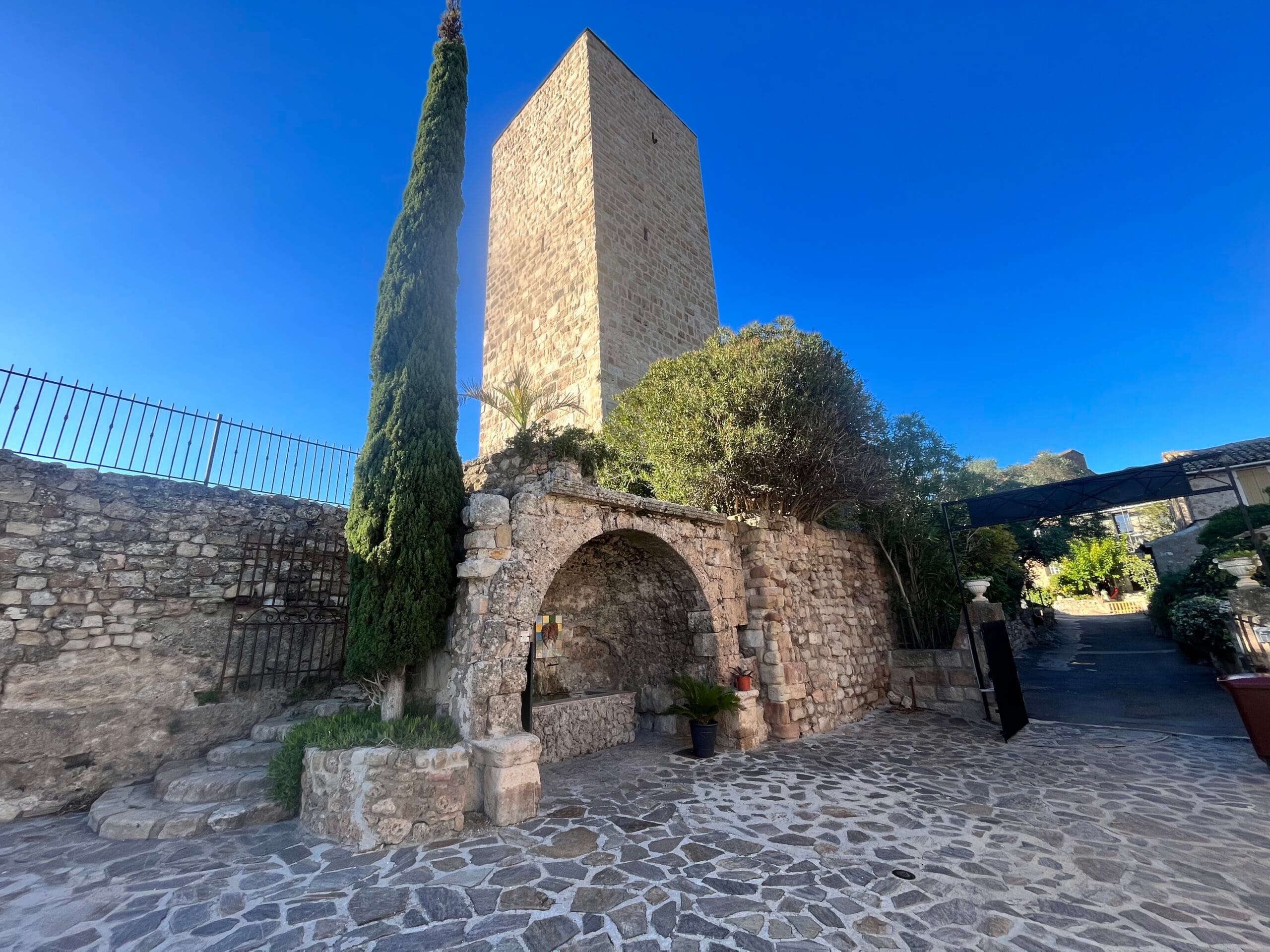
Before you go, consult the presentation of the Abbey of La Celle : you will find useful information there to prepare your visit (hours, news, access conditions) and to identify cultural highlights, often precious for adding a special spirit to the discovery.
On site, take the time to observe the logic of the spaces: the church, circulation areas, the more intimate parts, the way openings frame the light. Photographing is tempting, but one piece of advice is required: start with a visit "without a camera" for a few minutes. Perception is different, more attentive to proportions and silence.
Walk in the footsteps of monasteries: routes and spirit of the places
The Var is especially suited to discovery on the move, because its geography multiplies transitions: vine-covered plains, wooded hills, gorges, ridges and coastline. Monasteries and priories, often set apart, invite you to connect sites rather than collect them. One then understands that these foundations were not only buildings: they structured territories, networks of mutual aid, culture and movement.
To build a coherent route, you can draw inspiration from the resource On the Trail of Monasteries, useful for identifying ideas for stages, approaches, and giving meaning to progress over several days. The point is not just to visit monuments, but to grasp monastic placement as a way of reading the landscape: proximity to water, control of a passage, relationship to a terroir.
If you enjoy walking, favor mornings to link two sites: the light is softer, temperatures more bearable in hot seasons, and you arrive at the monument with a more receptive state of mind. Conversely, save the most dense visits (museums, highly documented sites, fortified complexes) for the afternoon, when energy is more mental than physical.
Need a room? Book directly!
Fortresses, chapels, ancient villages: widening the heritage field
The Var is not limited to abbeys: it also offers a constellation of castles, ramparts, towers, rural shrines and historic centers that tell other dimensions of the past: territorial defense, maritime control, trade routes, local lordships, popular piety. This diversity allows you to compose a tailor-made itinerary, alternating an abbey (spirituality, Romanesque art, silence) and a defensive site (panoramas, strategy, military architecture).
To spot ideas for complementary heritage visits, the page Castles, monuments and heritage of the Var can serve as a starting point to broaden your selection beyond monastic sites. The goal is to vary the atmospheres: a hilltop village at the end of the day, an isolated chapel at noon, a castle at sunrise.
In old villages, the most telling visit is often at door level. Look at lintels, engraved dates, knockers, external staircases, and reused stones. These modest clues sometimes matter as much as an explanatory panel: they bear witness to the continuity of habitation and successive adaptations. Also remember to look up: corbels, paired windows, bell towers, and sometimes the remains of a medieval enclosure hidden in the fabric of the buildings.
Building an itinerary over 2 to 5 days: a simple method
The success of a heritage stay often comes down to one thing: not overloading. Two major sites per day is a comfortable maximum if you want to take your time. Supplement with short stops: a viewpoint, a chapel, a shady square, a small museum. Also leave room for the unexpected: a market, a tasting, a temporary exhibition, or simply a secondary road more beautiful than expected.
An effective method is to choose a base area (a central sector well placed for day trips), then organize loops: an abbeys and Romanesque art loop, a castles and defense loop, a villages and rural heritage loop. Avoid long back-and-forths: in the Var, travel times can lengthen as soon as you leave the main routes, and it is precisely on these winding roads that the charm hides… but also the slowness.

Finally, adapt visits to the season. In spring and autumn, walking and high-altitude sites are a joy. In summer, favor monuments with cool interiors and visits early in the morning, then keep panoramas for the end of the day. In winter, focus on old town centres, cultural venues and more intimate atmospheres: heritage is then experienced as a parenthesis.
Experiences to add to the itinerary: wine, gardens, lifestyle
Religious and medieval heritage is also understood through what surrounds it: cultivated lands, know-how, gastronomy, traditions. In the Var, combining a visit to an abbey with a discovery of the local terroir makes sense: monastic communities long shaped agricultural landscapes, encouraged certain crops and promoted the organization of estates. Today, the vine, the olive, aromatic herbs and Provençal markets continue this story.
If you wish to include a wine-route dimension in your stay, you can prepare a dedicated interlude using this content: Oenological stay and wine tasting in the. The idea is not to multiply wineries, but to choose a few quality stops, in line with your days of visiting (and with responsible driving).
Another complement that works very well: villages and their gardens. A walk through a flowering old town center, after a visit of stone and silence, provides a breath. To find ideas for charming stops, this guide is useful: The most beautiful flowering villages. A shady square, a fountain, a flight of steps, and the day ends on a lighter note, without leaving the heritage thread.
Visiting tips: look better, understand better
Read the architecture without being a specialist
In an abbey, start by spotting the large masses: nave, transept, apse, cloister when it exists. Then observe the passages: doors, corridors, galleries. Monastic places are machines for organizing daily life. Even without technical vocabulary, one quickly understands what relates to hospitality, prayer, work, withdrawal.
In a castle or enclosure, look for the defensive logic: dominant position, blind spots, access, wall thickness, presence of a cistern. Panoramas are not only beautiful: they were useful. By linking what you see to the terrain, the visit becomes very concrete.
Need a room? Book directly!
Avoid the checklist effect
The risk of a heritage stay is chaining sites until saturation. To avoid this, choose a "theme of the day": Romanesque and landscapes, perched villages, fortifications, rural heritage. You will visit less, but you will remember better. And above all, you will leave room for emotion, which is often the real reason for coming.
Plan for quiet moments
Abbeys lend themselves to silent pauses, even brief ones. Ten minutes sitting in a nave, apart from others, is sometimes enough to transform a visit. At very busy sites, look for off-peak times: opening, late in the day, or less popular days outside school holidays.
Sleep in an inspiring setting: château, tranquility and immersion
After a day wandering cloisters, alleys and ramparts, the choice of where to stay matters greatly. Quiet accommodation extends the experience: you no longer consume heritage, you live in it. Old stone, parks, open views and a sense of space create a natural continuity with the day’s visits.
To imagine yourself in the atmosphere of a historic home, this account may inspire you: Dream stay in a Provençal château. It’s a way to turn a simple itinerary into a true parenthesis, where morning and evening also become memorable moments.
Travel mindfully: heritage and a responsible approach
Ancient sites are fragile, and the regions that host them sometimes are too. Adopting a responsible travel approach doesn’t complicate your trip: it makes it more coherent. Park smartly, respect quiet zones, favor local activities, travel outside peak times when possible… all of this protects places and also improves the visitor’s experience.
To incorporate these principles into your way of traveling, you can read: Eco-friendly hotel: travel differently. Over the course of a weekend or a week, small repeated choices make a real difference, without taking anything away from the pleasure of discovery.

Organize a group outing or a cultural seminar in the countryside
Abbeys and historic sites are also well suited to group formats: associations, hiking clubs, groups of friends, or companies seeking a seminar with meaning. The Var offers an ideal setting: outdoor activities, varied heritage, gastronomy, and many places conducive to exchange, away from the urban pace.
If you are considering a professional event in this spirit, this guide can help you frame the project: Where to organize an offsite retreat in the countryside?. The advantage of a heritage theme is that it naturally brings people together: you learn, you walk, you observe, then you exchange. And you leave with shared images, stronger than a standard meeting room.
Last practical points before you go
Be sure to check opening hours and days, especially off-season: some sites change access depending on the period, and events can cause occasional closures. Equip yourself simply: comfortable shoes, water, a hat in summer, and a light sweater for interiors that can be cool. Finally, allow time for detours: in the Var, a scenic road or a village spotted in the distance can become the best memory of the stay.