


Visiting the green Provence means choosing a Provence of contrasts and softness: oak forests, endless vineyards, perched villages, clear rivers, and discreet heritage. Here, the itinerary is as important as the destination. To make the most of this territory in the interior Var, it’s ideal to alternate short loops and longer stages, favoring the cool hours, morning markets, and golden end-of-day light. Here are some concrete itinerary ideas and curiosities to slip into your program, whether you come for a weekend or a week.
Itinerary 1: Characterful villages and shaded alleys (2 days)
Start by treating yourself to a day of stones and panoramas. The green Provence is savored at a slow pace: the shade of small squares, the sound of fountains, and viewpoints around a porch form an ideal common thread. Plan for comfortable shoes: the most beautiful old centers are often earned by a few sloping alleys.
Morning: market, crafts, and coffee breaks
Choose a lively village on market day: it’s the best time to take the local pulse. Look for stalls of olive oil, garrigue honey, goat cheese, and let yourself be guided by the scents of Provence herbs. Take a break on a terrace, then wander towards artisan workshops (ceramics, santons, wood, leather): you’ll discover authentic know-how, far from uniform displays.

Afternoon: viewpoints and discreet heritage
In the afternoon, aim for a perched village for the light and views. The right pace: a short visit (1.5 to 2 hours), a stop for ice cream or syrup in the shade, then a little jump to a lesser-known heritage site: Romanesque chapel, ancient door, washhouse, stone bridge. The green Provence rewards curiosity — sometimes you just need to follow a sign for 'old village' to stumble upon a superb perspective.
Evening: local dinner and a quiet night
End the day with a dinner featuring Provençal accents: summer vegetables, fish according to the chef’s inspiration, lamb, and simple yet just desserts (fruit tart, cream, sorbet). To understand what makes the local table’s identity, draw ideas from a guide to emblematic specialties and compose your meal like a little exploration.
Itinerary 2: Freshness of rivers, lakes, and swimming spots (1 to 3 days)
When the heat rises, the interior of Var reveals its best face: under the trees, near the water, time slows down. For this itinerary, leave early in the morning, save swimming for midday, and end the day with a walk in the shade. Remember to take a waterproof bag, a light towel, and plenty of water.
Morning: easy walk by the water
Favor a short hike (between 1 and 2.5 hours) that follows a watercourse or crosses a wooded area. The feeling of freshness is immediate, and observation becomes a game: dragonflies, reflections, small waterfalls after a turn. To vary the formats (on foot, by bike, on horseback), you can draw inspiration from 18 ideas for walks on foot, by bike, or on horseback..
Need a room? Book directly!
Noon: Provençal picnic
Picnicking is an art here: crusty bread, tomatoes, tapenade, cheese, fruits, and something fresh to drink. Settle in a permitted place, respect the tranquility of the banks, and leave without a trace. In summer, the golden rule is simple: if you’re looking for the best spot, it’s often the one you can reach on foot in just a few more minutes.
Afternoon: swimming, then napping in the shade
Choose a suitable (and permitted) area to cool off. The water can be fresh even in the middle of summer, which is part of the charm. After swimming, treat yourself to a real break: a short nap, reading, contemplation. The green Provence is also lived in these interstices.
Itinerary 3: wine route, estates, and art of living (2 days)
The wine landscapes of green Provence are a delight for lovers of quiet roads: a mix of vineyards, cypress trees, groves, and discreet bastides. The idea is not to rush through tastings, but to take the time to understand a terroir: soils, exposures, grape varieties, and winemaking techniques.
Day 1: one estate, one meeting
Book a visit to an estate that offers a complete presentation: vineyards, cellar, then a guided tasting. Ask questions about blends, more or less structured rosés, and how the vintage influences balance. The best memory is not necessarily the most expensive bottle, but the one whose story you will remember.
Day 2: village + gourmet lunch
On the second day, combine a village and a nice table: it’s the winning duo. If you like the idea of a stay where you avoid getting back in the car after dinner, read the advantages of accommodation with a real table on site : it transforms a simple stop into a complete experience, especially when you want to pair food and wine with complete peace of mind.
Must-see curiosities: between castles, abbeys, and perched villages
Green Provence is rich in heritage that doesn’t shout its name. Beyond postcard sites, you’ll find monuments that are discovered in almost monastic silence, and viewpoints that rival the more famous panoramas of the coast.
Castles and mansions: a noble and secret Provence
Provence is often associated with the sea or lavender fields, but here, the old stones tell another story: that of local lordships, passage routes, and successive influences. If this theme fascinates you, you can prepare your visits with a selection of remarkable castles and identify those that fit best into your itinerary.
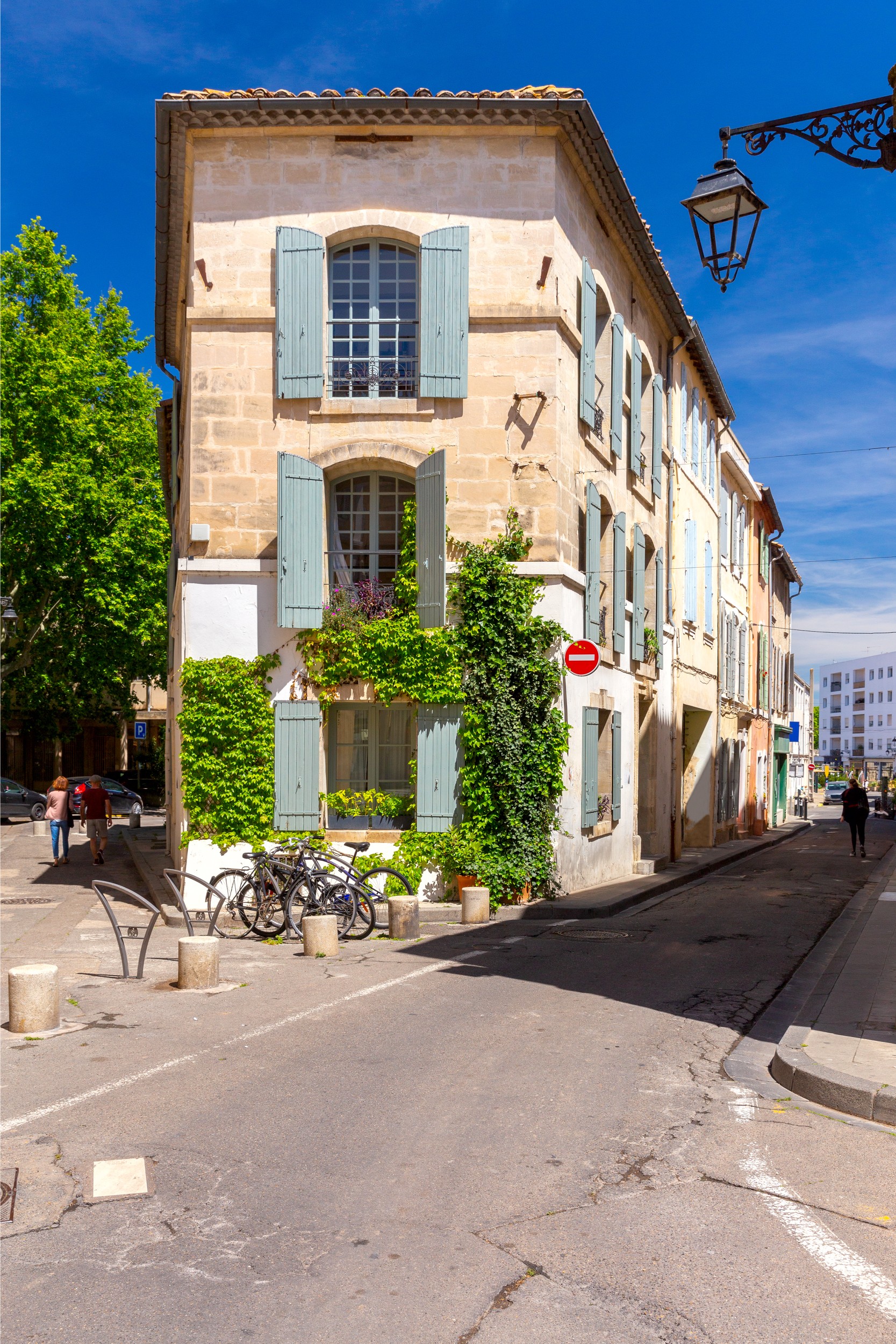
Abbey, chapels, rural heritage
Don’t overlook rural heritage: oratories, isolated chapels, ancient bridges, mills, washhouses. These are perfect stops for a slow-paced day. The trick: go with a map or a list of points to see, but be open to deviating. In green Provence, surprises are often at the end of a secondary road.
Ideas for themed days according to your pace
Day of fresh air: walking + viewpoint + sunset
Morning for walking, afternoon for exploring a village, evening for a viewpoint: it’s a simple but very effective scheme. Remember to check the weather and adjust the walking duration. In hot season, start early and look for partially shaded routes.
Cultural and terroir day: museum, workshop, tasting
Alternate a cultural visit (small local museum, temporary exhibition, heritage site) with a craft workshop. Then, finish with a tasting or a market. This trio (culture, gesture, taste) allows you to understand a territory without skimming over it.
Family day: easy walk + swimming + ice cream
For a successful family program, aim for simplicity: a short and fun loop in the morning, a water point or a shaded place at noon, then a short visit (or a detail hunt in the village: doors, fountains, sculptures) before the final reward: an ice cream or a local pastry.
Inspirations and top picks to complete your program
If you like to build your stay from a list of ideas, you can cross-reference several sources and choose what fits your season and travel style. For example, a ranking of must-sees provides a solid foundation for a first visit, while a top of experiences to do can bring more heartwarming ideas. For a more stay and activity-oriented approach, tips on the art of living and culture also help to complete a week of vacation.
When to go: seasons, light, and atmosphere
Spring is ideal for hiking and villages: temperatures are mild, nature is vibrant, and terraces come back to life. Summer requires a more Mediterranean organization: early outings, long breaks in the shade, swimming, and activities in the evening. Autumn is a gem: warm colors, grape harvests depending on the year, and a calmer atmosphere. Winter, more intimate, highlights gastronomy, markets, and cozy weekends.
Need a room? Book directly!
To feel the identity of the territory, keep this idea in mind: here, we often seek freshness and balance. Moreover, some places describe this feeling of a pause in the heart of Var very well, like in a portrait of green Provence as a haven of freshness.
Festivals, village celebrations, and events to watch for
Green Provence is also discovered through its calendar: outdoor concerts, village festivals, night markets, events around wine, heritage, or craftsmanship. These events provide access to a lively Provence, sometimes more authentic than classic visits, as people come to share rather than to tick a box.
To plan your stay around a specific date, keep handy a selection of events not to miss : it's useful for choosing the right weekend, especially in spring and summer.
Practical tips for successful itineraries
1) Think loops rather than crossings. Loops reduce logistics and fatigue: you easily return to the starting point, especially if you alternate walks and visits.
2) Avoid the hot hours. In summer, schedule village visits early in the morning, book the car and trips at times when the heat is more bearable, and save water (or the forest) for midday.
3) Leave room for the unexpected. A viewpoint, a producer, a shaded alley, a small exhibition: the green Provence rewards detours.
4) Respect natural sites. Stay on paths, take your waste with you, avoid unnecessary noise, and check local guidelines during dry periods (fire risk, access to massifs).
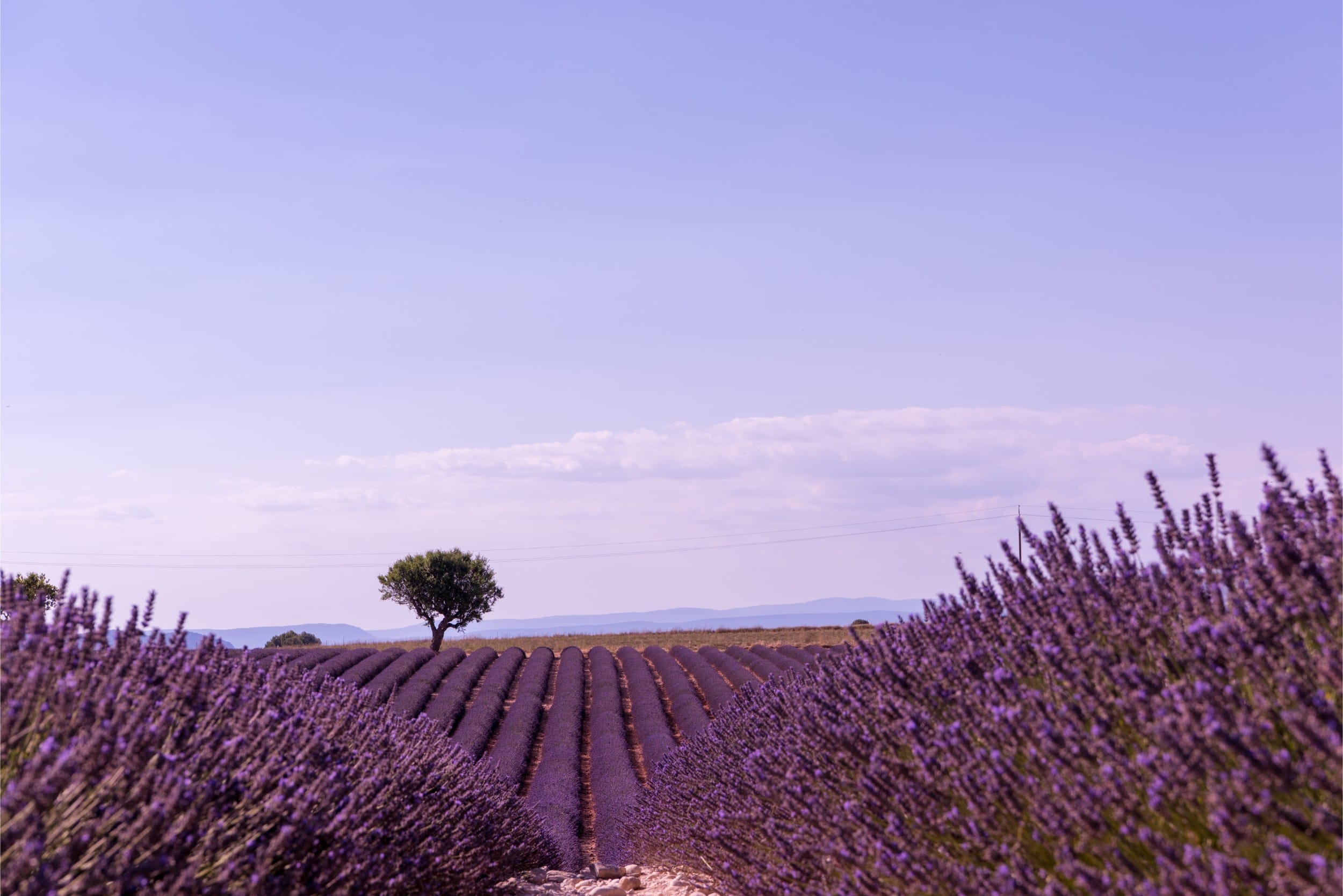
Wellness stay idea: slow down between spa, table, and nature
If your goal is to disconnect, build your program around comfortable accommodation, and only add two or three strong outings: an easy hike, a heritage visit, a tasting. The rest of the time, enjoy the slowness: reading, napping, massage, and dining without looking at the clock. For a relaxation-oriented stay framework, a weekend idea between spa and gastronomy can serve as a model to adapt to green Provence.
Conclusion: compose your green Provence, your way
The best itinerary is the one that respects your pace. Some will come for the villages and stone, others for water and forest, and others still for wines, food, and local festivals. The key is to balance: an active morning, a refreshing break, a contemplative end of the day. By doing so, you won't just pass through: you will inhabit the landscape, even briefly.