


Gastronomic stay in the south: from the moment you cross the imaginary line that separates the windy north from the southern plains, the senses sharpen. The markets buzz, the stalls blaze with heirloom tomatoes and citrus fruits, olive oil iridesces the plates, and rosés pulse in the shade of the plane trees. This culinary journey is a thread of Ariadne that connects the Mediterranean to the Gascon hills, the iodized foam to the garrigues, the rice fields of Camargue to the wine valleys. Here is an itinerary of concrete pleasures, addresses that warm the heart, and skilled gestures that tell centuries of know-how.
From the Mediterranean to the Gascon hills: a journey of flavors
This territory is not a monolithic block; it is a string of terroirs and houses where the memory of the land is cooked in the present. In just a few days, one can go from a steaming bouillabaisse in Marseille to a slice of pan-fried foie gras in the bastides of the Southwest, from a slice of fragrant tapenade to a simmered bull rib in Camargue. The spirit of the journey consists of accepting slowness, following the hours of the markets, choosing a village table, and listening to the producers tell their seasons. There is no rush, and everything begins with the light, the one that alters the taste of fruits and the texture of wines, the one that invites you to stroll before sitting down to share.
Provence, the brilliance of herbs and olive oil
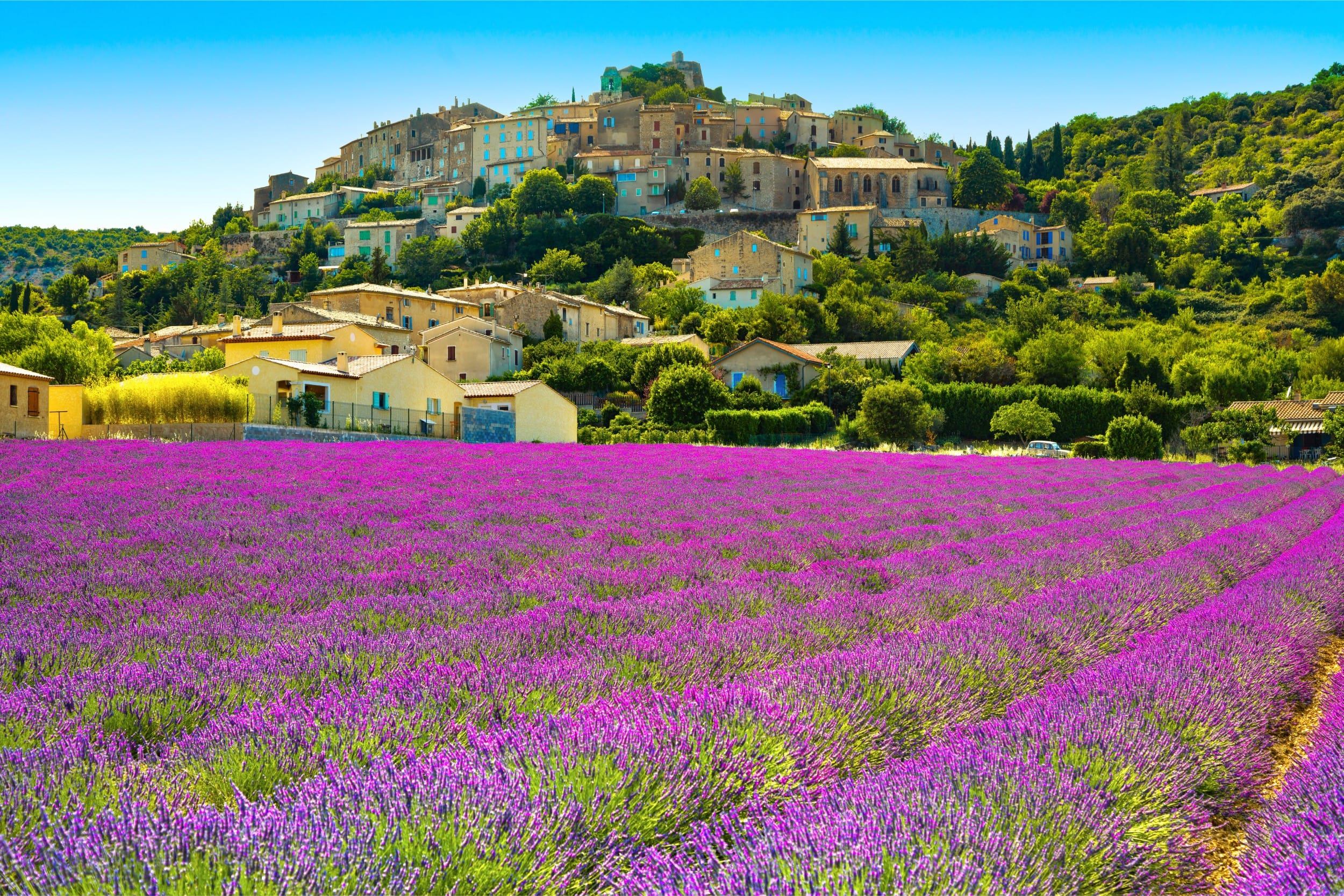
Provence is the great open book of flavors: Friday's aioli, Provençal daube, crispy panisses, pistou soup in summer, pearly calissons from Aix. The Apt market unfolds its ribbons of candied fruits, the olive groves of the Alpilles deliver oils with a lively bitterness, and goat cheeses are wrapped in savory. Marseille, a mixed capital, imposes its bouillabaisse, with its rock fish, garlic-rubbed croutons, and vibrant rouille. In Cassis, a glass of salty white is placed on a plate of sea urchins when the season allows; in Bandol, a racé red accompanies the gardianne or a confit shoulder of lamb.
To frame the stages and connect villages, artisans, mills, and estates, draw inspiration from the gastronomic routes in Provence, which offer beautiful diagonals through lavender fields, workshops, and characterful tables. You will glean ideas for stops, visits, and gourmet breaks that punctuate the journey without rigidifying it.
Luberon and Alpilles: artisans and markets
In the Luberon, the perched villages invite long mornings at the market: beef heart tomatoes, fresh goats from Banon wrapped in chestnut leaves, first figs from Caromb, garrigue honeys. The artisan bakers knead the anchovy fougasse, the pastry chefs adorn the tarts with caramelized apricots. In the Alpilles, an 18th-century oil mill can be visited before treating yourself to a bottle of new, herbaceous oil, on which you crunch toasted bread with a pinch of fleur de sel. In the evening, a refreshing rosé from Provence is opened, accompanying a confit ratatouille and small stuffed vegetables, the quintessence of the sun captured on the plate.
Need a room? Book directly!
Camargue and Languedoc: between salt marshes and vineyards
Camargue has the rugged elegance of lands where the wind sculpts the marshes. The Camargue IGP rice, pearly and al dente, pairs well with garlic tellines and a patiently simmered bull gardianne. In Saintes-Maries, fried small fish and marinated anchovies are enjoyed on the terrace, while sourdough breads carry a scent of wood and salt. Further west, in Hérault, Bouzigues oysters match the liveliness of Picpoul de Pinet whites; in the hinterland, Faugères and Terrasses du Larzac deliver deep reds, tailored for grilling and confit vegetables.
After tastings, offering a few hours to the body adds a note of sweetness to the itinerary. One can, for example, drop their bags in a spa hotel in the heart of the vineyards, enjoy a treatment before a seasonal dinner, and fall asleep in the silence of the estates. Slowness then naturally invites itself: an afternoon cycling between the rows, a bath of light by the pool, then a glass at sunset, with a picked olive and homemade tapenade within reach.
French Riviera: the sea on the plate
From Menton to Saint-Raphaël, the table becomes iodized and luminous. In Nice, the crispy socca crumbles while still hot, the pissaladière caramelizes under the onions, and the pan bagnat concentrates the flavors of a well-made Niçoise salad. The citrus fruits of Menton dominate the winter pastry, while purple artichokes, trumpet zucchini, and zucchini flowers mark the spring. The fishing port brings each morning its dorades, red mullets, and wrasses, which chefs prepare as carpaccio, herb papillote, or minute grilling. Here, a pale, taut rosé or a white from Bellet with a unique minerality is gladly served.
Between two gourmet stops, treat yourself to nature getaways on the Côte d’Azur to breathe in the scent of umbrella pines, walk in the ochre of the Maures or along the caps at dawn. This active interlude whets the appetite and highlights the coastal cuisines as well as those of the hinterlands, where you will find cured meats, aged cheeses, and garden vegetables.
The gourmet Var, from the vineyards of Provence to the gates of the hinterland
Around Draguignan, the region unfolds a way of life where the table is crafted by four hands with the winemakers. Rosés are tasted in the cellar, reds are decanted over lamb from the hills, and whites accompany brandade and fish. In winter, the truffle markets of Aups bring their black scent to scrambled eggs, truffled bries, and roasted meats; in summer, the figs from Solliès and blood peaches sweeten the simplest desserts. To complete the itinerary, think about the must-see activities around Draguignan that blend heritage, walks, and producer discoveries, a perfect program to combine morning hikes and lunch at the estate.
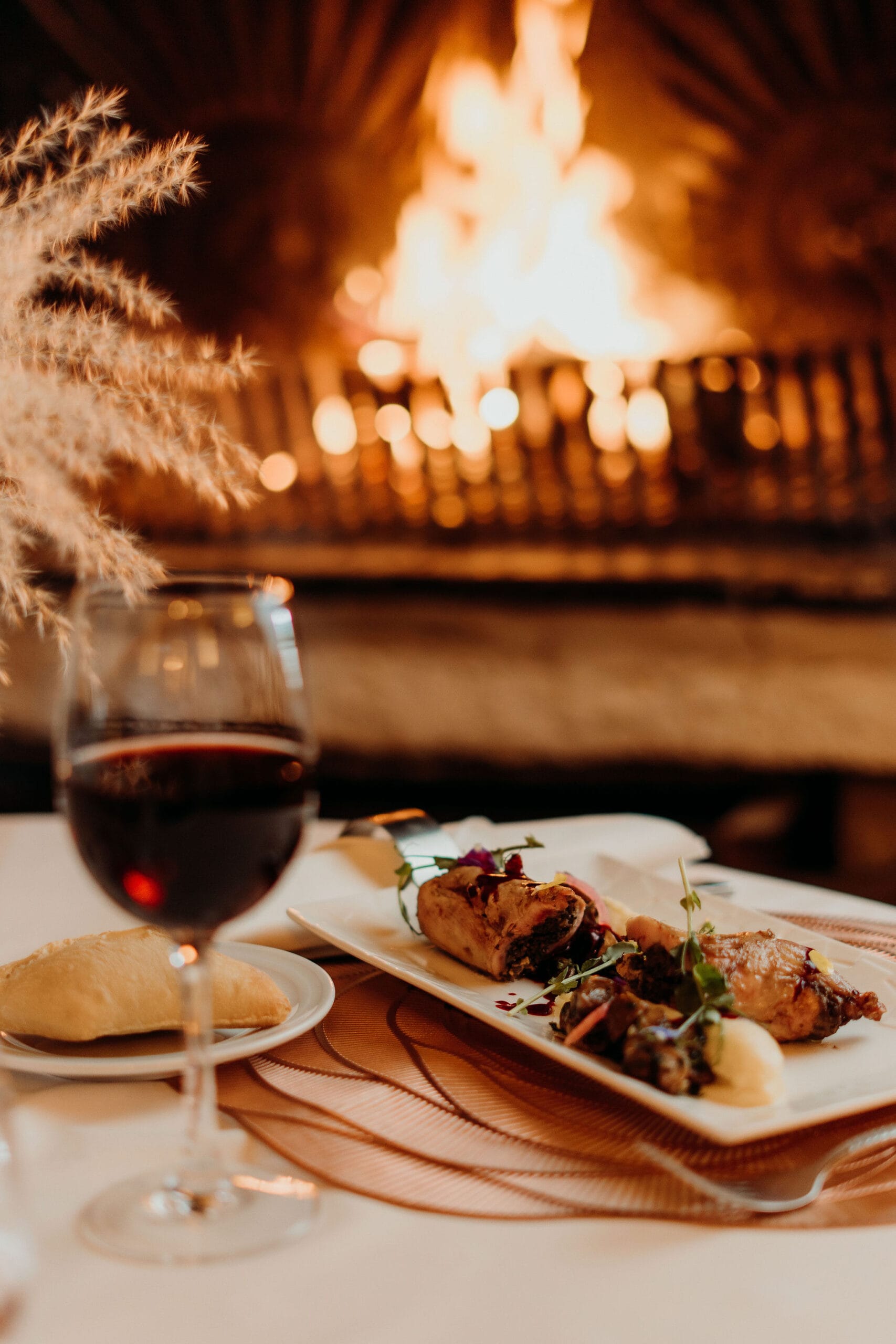
After these days at the table and outdoors, give your body a moment of rest. Head to the most beautiful spas in Var, where you can enjoy a warm pool, eucalyptus-scented sauna, and relaxing massage before a locavore dinner. These wellness breaks give a different rhythm to the journey, varying the pleasures without ever straying from the essential: taste.
South-West: the land of generous flavors
Change the landscape, cross the garrigues, and the tables become rounder. Duck thrives in confit, in rare magret, in pan-seared foie gras with apples; lingot beans nestle in golden cassoulets; Espelette pepper sprinkles sauces with a fruity and warm touch; Agen prunes caramelize the juices. The wines become more structured (Madiran, Cahors), sometimes sweet (Jurançon), and the brandies take on amber hues (Armagnac). The covered markets mix accents and products, like in Sarlat or Bayonne, where sheep cheeses and aged hams are not afraid of travel.
To organize your stops, nothing beats a wine and gourmet getaway in the South-West combining visits to wineries, guided tastings, and guest tables. You will thus meet winemakers and artisans, understand their gestures, and pair wines with family recipes, in the simplicity of a cuisine that does not cheat.
Food-wine pairings: the color chart
A journey of taste is also a score of glasses. In Provence, opt for taut and precise rosés to accompany starters (tapenade, anchoïade, olive salads), and saline whites with fish and shellfish. The reds from Bandol, Côteaux-d’Aix, or Les Baux pair well with stewed meats and herb-crusted lamb tatakis. In Languedoc, a Picpoul de Pinet with oysters respects the iodine, a fuller white pairs with tellines, while a red from Terrasses du Larzac complements grilled meats. In the South-West, look for the amiable tannic grain and freshness in the finish to accompany a confit without heaviness, and try a lively, sweet Jurançon with a blue cheese from the Pyrenees or a roasted apricot tart.
Need a room? Book directly!
Between table and nature: experiences to live
To truly understand what we eat, nothing beats the experience. Book a morning of coastal fishing, return with some catches, and grill them on the beach at dawn. Follow a truffle farmer in the woods in winter, and cook a scrambled egg dish upon return. Visit an olive oil mill and compare olive varieties by spoon. Learn about salt work in the salt marshes, or the blending of a wine with a winemaker. These gestures inscribe memories in the body that no guide can replace.
To chart your roadmap, explore ideas for’activities and stays around local produce and flavors blending workshops, farm visits, and gourmet stops. Here you can build a flexible program, combining discoveries, contemplative breaks, and large tables.
Private events: festive tables, exceptional settings
The character of historic homes and vineyards lends itself to celebrations. A cocktail among the vines, a dinner with exposed stones, a brunch under the hackberry trees: the South knows how to host. If you dream of gathering family around a large table, or celebrating an important moment with local and generous cuisine, inquire about organizing an event in a castle. Local teams know how to combine producers, caterers, and scenography with a simple elegance that highlights the products.
For two: flavors, light, and sweetness
The South rhymes with romance without cliché. A discreet terrace, a plate adorned with zucchini fritters, a glass of white with a hint of fennel, a sunset over the vines: the recipe is there. To seal this interlude, consider a romantic getaway in a charming hotel, with a room opening onto the hills, breakfast punctuated with honey and homemade jams, and an evening meal closely aligned with the seasons. Take the time for a morning stroll, a village market, then a light lunch by the sea or in the square by the bell tower.
Practical tips for a successful gourmet itinerary
- Seasons and markets: winter for truffles and citrus, spring for herbs and early vegetables, summer for sun-soaked fruits and blue fish, autumn for grape harvests and mushrooms. Check the market days of the villages, and come early to enjoy freshness and choice.
- Reservations: small tables fill up quickly. Call the day before, prefer lunch on the terrace when it's very hot, and don't be afraid of the daily specials, often just and inspired.
- Mobility: alternate short stops and longer trips, to give the palate time to open up and memorize the flavors. An electric bike in the vines, a coastal boat, a regional train can vary the pleasures.
- Budget and quality: favor places that display their sourcing, engage with the servers, observe the bread and oil, two markers of sincerity. A good meal is not always the most expensive: authenticity lies in the attention paid to details.
- Eco-responsibility: bring your water bottle, say no to unnecessary plastics, respect paths and production sites. Taste begins with respect for the land and the people who work it.
Where to sleep and how to book
Between vineyards, village houses, and character hotels, the accommodation offer perfectly complements a gourmet journey. Choose a base for the week to radiate without moving every day, or compose a line of three stops: sea, hinterland, vineyard. The ideal is to stay at least two nights in each place to soak up the local rhythm, recognize the baker and the greengrocer, and book an evening table based on the morning's finds.
Peak periods invite anticipation. To gain flexibility and benefit from the best rate, consider book directly with the establishments: human contact often allows for adjustments to arrival times, the guest table, or obtaining advice on walks and winemakers.
Need a room? Book directly!
Rhythm, gestures, and memories
A successful culinary journey is not a checklist, it’s a breath. In the early morning, the smell of coffee and sourdough brioche; at noon, the light shade of the plane trees and the crunch of a baguette; at blue hour, a cool glass and a drizzle of oil on a finely chopped tomato. Keep a spot for the unexpected: a producer met at the market who offers to visit his farm, an auction that starts, a storm that reshuffles the cards and invites a slow-cooked dish. It’s these micro-events that imprint on you and make this journey a personal story.
Returning home with a few bottles (a red from the hills, a white from the foam, a rosé from the terrace), a chosen oil, a jar of fleur de sel, and two or three noted recipes is to extend the journey. Next time, we’ll take another path: a day in a salt marsh, a fresh pasta workshop, a visit to a confectionery workshop, a trip at sunrise to watch the fishing returns. The South is inexhaustible, a playground for all who love to listen to nature, shake hands, and sit down to eat with simplicity and gratitude.