


Heading south: from turquoise coves to the first hills
road trip var — The Var has this rare feature of offering, in just a few dozen kilometers, a total change of scenery. You often start by the Mediterranean, where the light catches the rocks and the umbrella pines cast sharp shadows, then you gradually rise towards a more secret hinterland, mineral, sometimes almost alpine in its sensations. The idea of this route between sea and mountain is to create a loop that alternates swimming, perched villages, scenic roads, and gourmet stops, without ever rushing. The department lends itself to a Provençal travel pace: you drive little, stop often, and take your time.
To give a simple structure: a first part on the coast and the capes, a second in the wine hills and characterful villages, then an escape towards the high gorges and the great viewpoints. Each day can be adjusted according to the season, the desire to hike, or the need for coolness (very appreciated in summer). If you are looking for ready-to-use variants over several durations, you can also take a look at Where to spend 3 days in the Var? 3 itineraries between Bandol ..., convenient for comparing atmospheres and adjusting your loop.
Day 1: the sea as an appetizer (and in blue)
Start early to enjoy the still calm roads and easy parking. On the coast, the morning has a special taste: the air is cooler, the sea smoother, and the beaches are not yet set up. The goal of this first day is simple: to offer yourself viewpoints, a swim, and a first address that pleases everyone.
Choosing your stretch of coastline: capes, beaches, or lively port
The maritime Var is diverse. Some will prefer a rugged coast, made of small coves and light rocks; others will want a large beach and lunch with their feet in the sand; still others will seek a lively port, a market, a café in the sun. The ideal is to mix: a panoramic stop, an hour on the beach, then a stroll in the late afternoon in a human-sized town.
If you like very detailed itineraries and feedback, this guide can inspire you with stages and timings: What to visit in the Var? Road trip on the Côte d'Azur.. It helps to identify highlights of the coastline without completely improvising.
Chic picnic and swimming: the winning duo
For a day at the sea, the most efficient organization is to buy lunch in the morning (fougasse, fruits, tapenade, cheeses, ripe tomatoes) and aim for a cove or beach accessible without too much walking. The picnic avoids depending on schedules, while allowing the freedom to linger if the sea is perfect. Think of the bare minimum that changes everything: a microfiber towel, sandals suitable for pebbles, plenty of water, and a bag to take your waste home. Along the Var coastline, the beauty of the places goes hand in hand with real fragility: the pines, dunes, and posidonia meadows deserve attention.
Need a room? Book directly!
Day 2: villages, vines, and roads that smell of garrigue
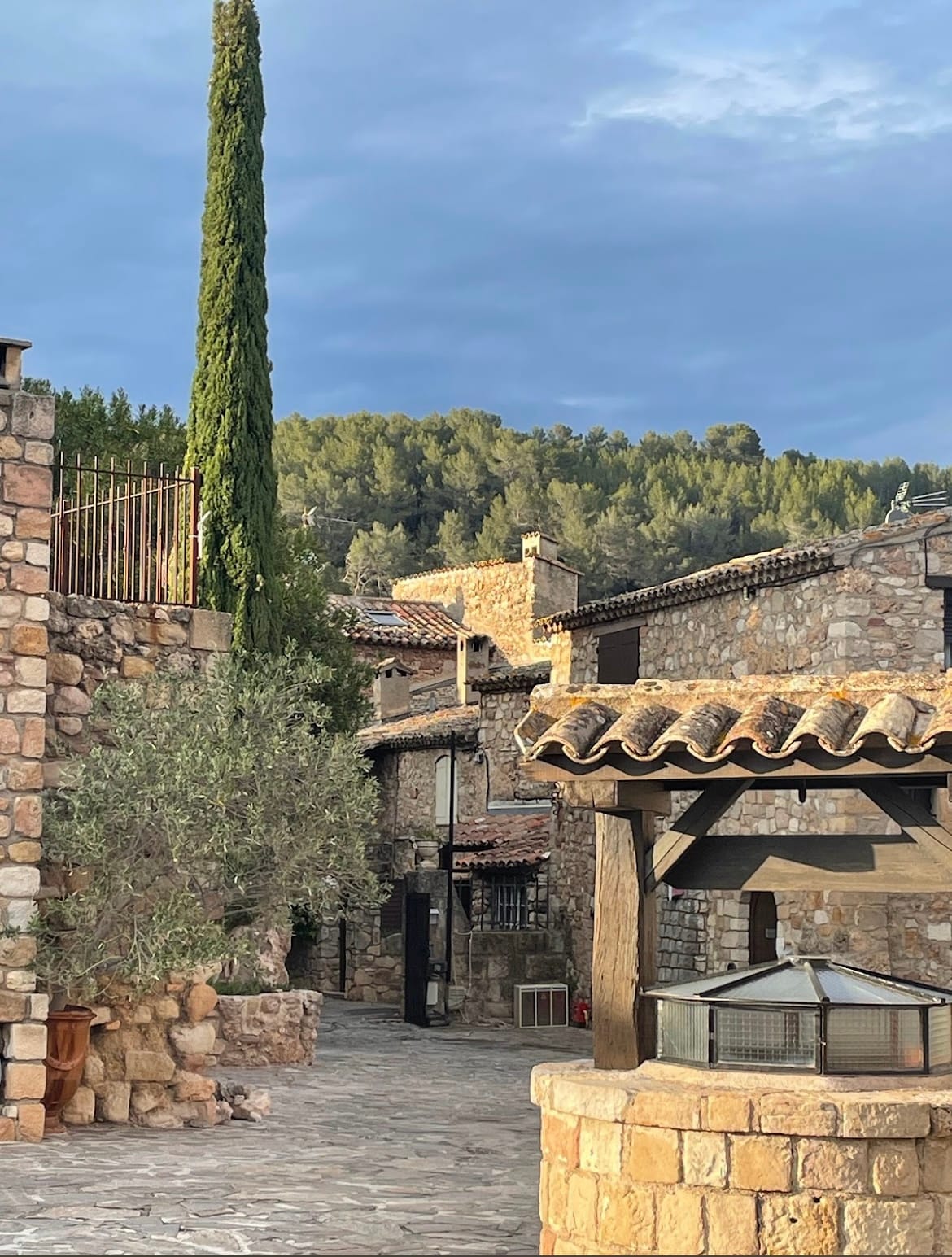
The second day is often when you shift inland. The landscapes open up: hills, stone walls, olive trees, rows of vines, bastides in the distance. The driving becomes more winding, but also more enjoyable: you chain panoramas, cross hamlets, and stop for a photo effortlessly. It’s an ideal day to favor short stages and multiply the small discoveries that make great memories.
Sensory stop: markets and colors of the South
In the Var hinterland, the market is not just a simple supply point: it’s an experience. The noise of crates, the scent of herbs, the sun on peaches and apricots, the stalls of olives, goat cheeses, honeys… Even if you don’t cook, it’s a moment of travel in its own right. Take the time to exchange, taste, ask for a local specialty. And if you want to extend this sensory dimension, here’s a reading that perfectly matches the spirit of this day: Sensory journey: markets, scents, and colors of the south.
Wine route: a pause without excess, but with taste
The temptation is great to want to see everything. However, one or two well-chosen stops are enough. A (reasoned) tasting allows you to understand the terroir: the role of the sun, wind, soils, and temperature ranges. Favor the estates that take the time to tell their story, and avoid chaining glasses if you’re getting back on the road. The idea is not to visit cellars, but to add a cultural and gourmet dimension to the day. And if you don’t drink, many places now offer grape juice, olive oils, or visits focused on the landscapes.
Day 3: the call of the reliefs — direction gorges and viewpoints
When the heat rises on the coast, the interior becomes a refuge. The third day can be the most spectacular: scenic roads, cliffs, dizzying viewpoints, emerald waters, and a sense of space. Here lies a Var mountain in the sense of travel: a territory that breathes cooler, larger, wilder. Even without being an experienced hiker, you can take in a lot.
The gorges: choosing your approach (water, road, or path)
Depending on your energy level, three options emerge. The contemplative version: viewpoints, a few photo stops, a lunch on the terrace. The water version: pedal boat, kayak, or electric boat (if available) to glide at the foot of the cliffs. The walking version: a short but well-chosen path, with good shoes and water. Whichever option you choose, start early: the light is more beautiful, the roads are smoother, and you’ll have a better chance of finding a parking spot without stress.
To prepare for this stage and especially to sleep well around the area, this guide is useful: Where to sleep near the Verdon gorges?. In a region where distances seem short on the map but longer on the roads, choosing the right base changes everything.
Easy hikes: the Var that is earned
The mountain is not reserved for athletes. A one-hour walk, well-placed, can be enough to experience an intense moment: the smell of thyme warmed by the sun, silence broken by cicadas, ridge lines, and that unforgettable green of the water. For safety, avoid outings in the middle of the afternoon during high heat, check restrictions during fire risk periods, and bring more water than expected. If you’re looking for ideas for accessible and varied trails, you’ll find inspiration here: Nature escape the most beautiful trails of.
Day 4 (optional): Saint-Tropez differently, away from clichés
If you have an extra day, or if your loop goes back through the gulf, this is the ideal time to approach a myth without being swallowed by the crowd. Many travelers have a very precise image of Saint-Tropez: yachts, shop windows, traffic jams. However, by choosing the right times and neighborhoods, one discovers a softer atmosphere: alleys that catch the morning light, still calm squares, cafés where you can really hear the city breathe.
The trick is to aim for the pre-season or post-season, or to visit early and leave before the afternoon peak. To plan a more serene visit, this article provides good leads: Visit Saint-Tropez without the crowd.
When to go: dealing with heat, crowds, and light
The Var is experienced differently depending on the months. In spring, the inland roads are splendid, the villages still quiet, and the hikes more comfortable. In summer, the coastline logically attracts, but the hinterland becomes a strategy: alternating sea early in the morning and gorges or trails in the late afternoon. In September and October, the sea is still warm and the sunsets very clear, with a more peaceful atmosphere. In winter, some coastal areas remain lively, and the landscapes lend themselves to outdoor walks without suffering from the heat.
Need a room? Book directly!
For ideas for typically summer activities, to select according to your travel style, you can consult Visiting the Var in summer: 10 unforgettable experiences between .... Even if you’re traveling off-season, it helps to spot signature experiences to adapt.
Magical moments: the Var at sunset
In an itinerary between sea and mountain, the sunset serves as a common thread. On the coast, it transforms rocks and facades into copper; in the hinterland, it lengthens the shadows of cypress trees; near the reliefs, it gives shape to the ridges and cliffs. Intentionally plan unplanned ends of the day: no museum at a fixed hour, no table too early, just the possibility to settle in the right spot when the light becomes perfect.
If you love collecting these moments, keep this resource handy: The most beautiful sunsets in Provence. It helps to choose spots that are consistent with a loop and to avoid unnecessary detours.
Driving and logistics tips (to enjoy without getting tired)
A successful itinerary in the Var often relies on simple details. First, limit major transfers: it's better to spend two nights in the same place than to repack every evening. Next, avoid peak hours on the coastal areas in summer; leave early, have a late lunch, and you will drive more peacefully. On the inland roads, anticipate travel times: the distance may be short, but the road can be winding, dotted with village crossings.
On the equipment side: a soft cooler, closed shoes for unexpected walks, a cap, a light jacket (it can be cool near the gorges in the morning), and a power bank. Finally, keep a plan B: an alternative beach if the wind picks up, a village in the shade if the heat is overwhelming, or a short walk if you are more tired than expected.
Ideas for longer itineraries: extend towards the Côte d'Azur
If you have a week or more, the Var can be part of a larger azure loop. One can imagine an accordion route: coastline (marine atmosphere), hinterland (villages and nature), then back to the sea. This avoids monotony and allows for better distribution of travel times. For a very extensive version, with a progression logic over several days, this feedback can give you benchmarks: Côte d'Azur road trip: my favorite itinerary over 15 days.
And if you want to explore the department in a more encyclopedic way, picking ideas for places based on your interests, this page offers a useful overview: Var.
Where to settle: the right accommodation at the right time
Between sea and mountain, accommodation is not just a practical point: it’s a choice of pace. Sleeping on the coast gives access to morning swims and the energy of the ports in the evening. Sleeping inland offers calm, cooler nights, and proximity to scenic routes. The most comfortable option for a loop is often to plan two bases: one near the coast, another towards the hinterland (or close to the gorges if your program is very nature-focused). This limits kilometers and maximizes discovery time.
When you have found the right place to stay, booking directly can simplify organization, especially in high season. Need a room? Book directly!
Conclusion: a loop that reflects you, between salt and stone
This journey between sea and mountain in the Var works because it does not impose a single narrative. It can be experienced in swimming and panoramic mode, in village and terroir mode, or in nature and viewpoint mode. The secret is to embrace a breathing itinerary: fewer stages, more moments. A cove in the early morning, a market in the shade of the plane trees, a road that climbs and changes the air, then a sunset that marks the day. It’s this alternation, almost musical, that makes the Var so addictive on the road.