


Provence rosé wines: from the limestone terraces of Mont Sainte-Victoire to the schists of the Massif des Maures, the estates compete in style and precision. Here, each hill, each sea breeze, each grape variety adds another nuance to the glass. For those wishing to explore these lands, the itinerary is written through encounters: passionate winemakers, light-filled cellars, rows of vines pointing towards the sea, and cellars where freshness contrasts with the sun. Let’s discover the estates, where the identity of the country’s most sought-after rosés is forged.
Landscapes and terroirs that shape the style
In Provence, the eye moves from the deep blue of the creeks to the silvery greens of the olive trees before stopping on the plots of Grenache, Cinsault, Tibouren, Syrah, or Mourvèdre. The blending of these grape varieties, under the influence of a dry Mediterranean climate and the Mistral wind, creates wines that are both luminous and finely chiseled. On the limestone of the hinterland, natural freshness enhances the citrus and saline tension; on the coastal schists, the texture rounds out, red fruits become silky, and the finish gains a saline length. Further west, towards Aix, thermal amplitudes refine the aromatic profile and prolong slow maturities; in the southwest, Bandol relies on Mourvèdre to deliver gastronomic rosés that are structured and capable of aging.
Key appellations and styles of estates
Five areas particularly captivate enthusiasts: Côtes de Provence (with its denominations Sainte-Victoire, La Londe, Fréjus, Pierrefeu, Notre-Dame des Anges), Coteaux d’Aix-en-Provence, Coteaux Varois en Provence, Bandol, and Palette. Bandol emphasizes depth and fine spices, often with more ambitious aging; La Londe produces crystalline rosés with a salty grain; Sainte-Victoire leans towards straight profiles, sometimes floral, with great clarity. In the cellars, delicacy is paramount: gentle pressing, precise skin macerations, temperature control, oxygen protection, and aging on lees to add volume without losing finesse. The meticulous estates harvest at night, sort with inerting, and think through the blending grape by grape to sculpt the color and structure from the juice.
Estate visits: itineraries to understand a style
By the sea: light, breeze, and finesse
Heading towards the Mediterranean, where the estates facing the sea capture the iodized energy in every grape. Between Bormes, La Londe, and Gassin, the cuvées gain in delicacy and fruit purity. These addresses love to work with Grenache and Cinsault for satin-like textures, then spice up the blend with a touch of Rolle or Tibouren. Visits often start under the umbrella pines, continue in the minimalist cellars, and end on a terrace, a glass with peach reflections in hand. Here, one learns that paleness is not an end in itself but the result of a focus on precision: early morning harvests, fractional pressings, and careful management of the lees.
Bandol: the breath of Mourvèdre, the grace of heights
In Bandol, the structure of Mourvèdre gives rosés a unique intensity, more vinous, with notes of dried herbs, blood oranges, pomelo, sometimes peony and bark. The estates anchored on the terraced slopes express the south but know how to maintain a hilltop freshness. On-site, the winemakers talk about exposures, walls that store daytime heat, and winds that ventilate the grapes after rain. The tasting reveals broader textures, meant for the table: grilled red mullet, herb-crusted lamb, octopus with mild spices, slow-cooked Provençal cuisine. The aging methods are more varied, sometimes in large barrels or demi-muids, and some rosés gain complexity with one to three years of aging.
Need a room? Book directly!
Var hinterland and Sainte-Victoire: tension and verticality
Around Sainte-Victoire and in the central Var arc, the estates rely on the coolness of the nights, altitude, and limestone soils to forge straight, vibrant rosés with notes of citrus, white currant, and garrigue. The finish tightens, often with a saline hint. In the cellar, aging on fine lees softens the energy, adding breadth and a chalky touch. These rosés pair well with ceviches, sashimis, tartares, and carefully crafted vegetable dishes – heirloom tomatoes, raw fennel, new olive oil, lemon basil – that showcase their precision.
Tasting and understanding: from color to aroma
The color palette ranges from onion skin to pale salmon, up to coral shades. The hue is not a guarantee of quality but a reflection of choices in maceration and pressing. On the nose, one encounters peony, pomelo, wild strawberry, white peach, green mango, orange blossom, fennel, verbena, and warm stone after rain. To deepen the spectrum and aromatic families, you can consult a dedicated guide like Discover its many aromas, which illustrates the richness of these profiles.
In terms of winemaking, two approaches dominate: direct pressing – which offers finesse and tension, with controlled extractions – and bleeding, which provides more structure. Choices of yeasts, inerting, fermentation temperatures, and then aging (stainless steel tanks, concrete, sometimes large wood) act as levers to refine texture and length. Winemakers today work to the millimeter: technical closures to preserve freshness, early bottling to capture the primeur, or on the contrary, prolonged aging to build table cuvées.
Food pairings: from the Provençal market to world cuisines
Served at 9–11 °C (avoid ice that numbs the bouquet), rosé extends a market day: anchovy paste, tapenade, pissaladière, tomato-mozzarella with basil, Niçoise salad, zucchini flower fritters. The more taut cuvées pair with raw seafood, fine oysters, sashimis; the broader and spicier profiles – led by Bandol – complement grilled lamb, medium-rare tuna, apricot tagines, and creamy dishes (fennel risotto, burrata with peaches). With Asian cuisine, favor rosés with discreet sweetness and delicate white pepper; with Mexican cuisine, look for a juicy mouthfeel and a clean finish to refresh the palate between spicy bites.
Wine tourism: routes, experiences, and beautiful stops
Between sea and hills, the route of the estates is a succession of appointments: private tastings, visits to the cellars during the harvest, blending workshops, picnics in the vineyards, art exhibitions in the bastides. Some vineyards even offer marked hikes in the heart of the plots. To inspire you, take a look at this exploration notebook, Go discover the rosé wine of Provence, which nicely summarizes the spirit of a day between vineyard, cellar, and table.
The days are not just about the cellars. After tastings, continue with nature getaways on the Côte d’Azur: wild capes, cork oak forests, ridges with breathtaking views of the bays. This fresh air whets the appetite: in the evening, head towards a gastronomic stay to pair market products with fine vintages.
Do you enjoy combining glasses and well-being? Many addresses offer a relaxing break inspired by local essences. Discover the most beautiful spas in Var for a day that ends in the calm of the pine forests.
To celebrate, some properties open their gardens and salons. It is even possible to organizing a seminar or a wedding in a castle, with the vineyard as a backdrop and southern hospitality as a common thread.
Want a cocoon for two after the visits? Head towards a romantic stay in a charming hotel, ideal for reconnecting, sharing a bottle at sunset, and planning the next day.
And to simplify the organization, consider book your room directly near the estates you wish to visit: fewer trips, more precious moments.
Choose your bottles: vintages, cuvées, and benchmarks
Most cuvées are best enjoyed in their first two years for the clarity of the fruit. However, Bandol and certain parcel selections can withstand 3 to 5 years, or even longer depending on the vintages, gaining notes of yellow fruits, white tea, and spices. When purchasing, read the label: AOP and specific denominations (La Londe, Sainte-Victoire) provide a framework; note the grape varieties and the aging method. Prices reflect the meticulousness: entry-level wines offer immediate pleasures; parcel cuvées provide deeper textures and a savory finish.
Need a room? Book directly!
To support your selection, rely on comparative panoramas and selections. This panorama, The selection of the best rosé wines, allows you to sweep through styles and prices. If you like clear lists, try these 19 Provençal rosés to discover to check off some must-haves and two or three lesser-known gems.
Some flagship estates inspire benchmarks of excellence and explain why the region has elevated rosé to a great signature. A narrative and educational resource like The best rosé wines: the wine of Provence illuminates these codes: night harvesting, gentle pressing, precise blending, and care for freshness – all gestures that, from the vineyards of the hinterland to the maritime estates, form this highly sought-after style.
Towards a more responsible rosé
Provence, well ahead in sustainable viticulture, multiplies virtuous practices: organic conversion, biodynamics on certain parcels, environmental certifications, reasoned irrigation where permitted, controlled cover cropping, nesting boxes, and hedges for biodiversity. The climate challenge requires fine adjustments: choosing later clones, trellising for shade, increasing planting altitudes, tightening harvest windows. In the cellar, energy sobriety, water reuse, reducing glass weight, and developing local bulk complete the picture. When you visit, ask questions: sustainability has become a field of innovation and pride for many estates.
Three days to immerse yourself in the estates
Day 1: coastline and iodized freshness
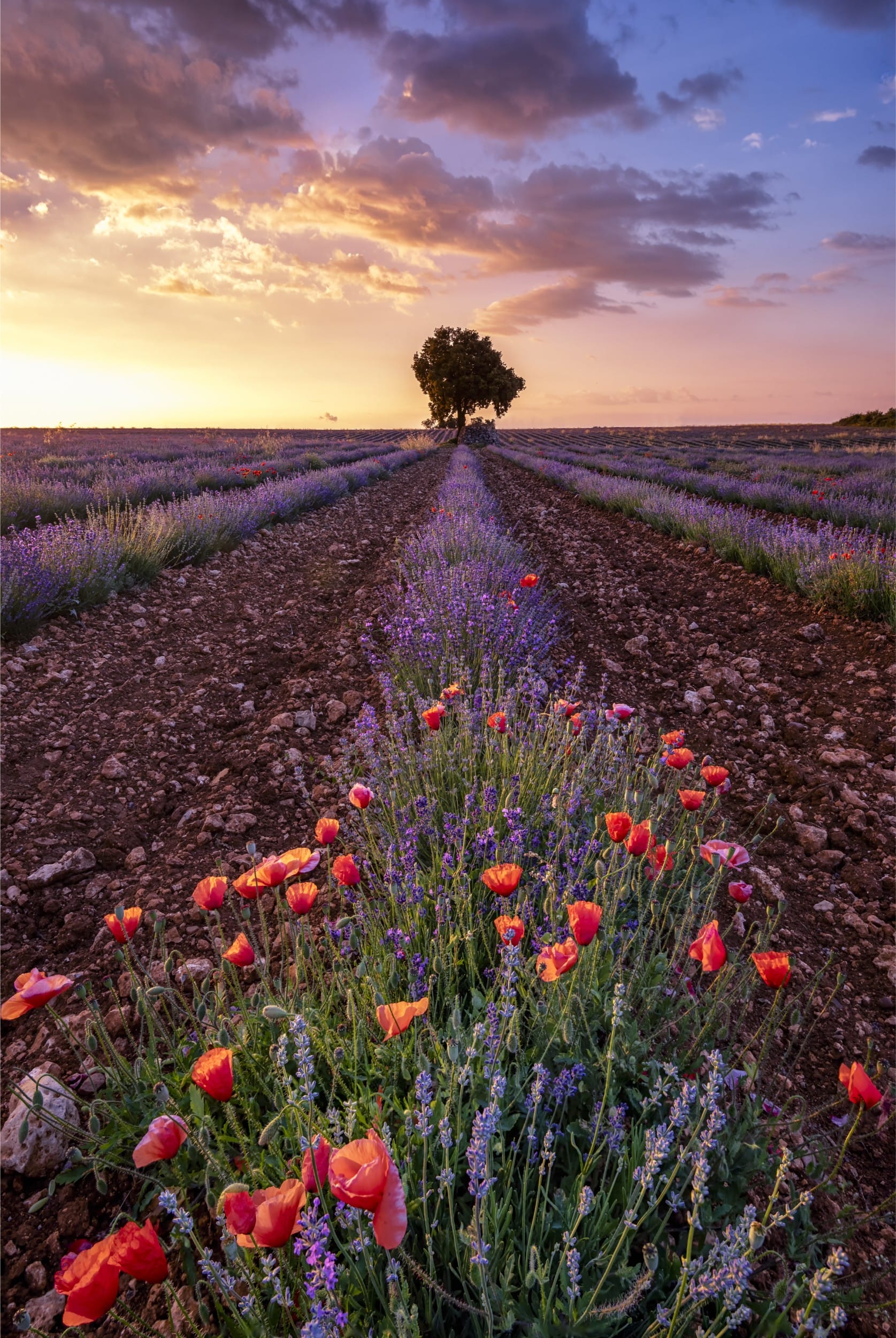
Start on the coast: morning stroll above the vineyards set on the relief, cellar by the sea, lunch on the terrace, visit the cellars in the shade. In the afternoon, alternating tastings and breaks facing the deep blue. The tasted cuvées express themselves with citrus, white peach, and a delicate salinity. At the end of the day, a sunset with an airy rosé: the perfect match with grilled fish, confit tomatoes, and tapenade.
Day 2: Bandol and the spirit of aging
Route to the terraced vineyards. The verticality of the landscape already tells the style: slopes, stone walls, vineyard stairs. The estates take you through the parcel, explain the role of Mourvèdre, and reveal more ambitious aging. Lunch on dishes with herbs and mild spices; in the afternoon, compare a fruit-forward rosé with a more serious cuvée, sometimes decanted. The aromas glide from blood oranges to yellow fruits, the finish densifies. In the evening, blind tasting to measure the evolution in decanting and the differences in blending.
Day 3: Sainte-Victoire and the limestone
Head to the hinterland, white light, scents of garrigue. Visits to estates that produce tonic and straightforward rosés. Blending workshop if possible to feel the impact of each grape variety; walk on the limestone plateaus; dinner featuring seasonal vegetables, river fish, or local pressed cheeses. We finish on a note of verbena and candied lemon, echoing the tasted rosés.
Practical tips for successful visits
Book your tastings in advance, especially in summer. Prefer mornings to keep your palate fresh. Stay hydrated between wineries and bring a notebook to jot down your impressions (color, nose, texture, finish, suggested pairing). If you're driving, share tastings or opt for spittoons. Ask to visit the winery and, if invited, taste a fermenting juice: a lively way to understand the house's style. Finally, make room for favorites: wineries often offer confidential cuvées at the cellar, unavailable elsewhere.
Why Provence wineries fascinate
Because technical precision does not hinder the expression of a place, and because winemakers take a stand: to make author rosés. Purity, verticality, and drinkability are not marketing terms; they are daily requirements – harvesting at dawn, pressing to the exact degree, impeccable hygiene, a stylistic vision over several vintages. Behind the bright facades, there is a lot of demand. This coherence, from plots to market release, undoubtedly explains the public's adherence and the loyalty of enthusiasts.
Need a room? Book directly!
Conclusion
Exploring the wineries means accepting to be guided by geography: sea, hills, limestone, schists – so many sensory paths. The terroirs provide the grammar, the winemakers write the sentence, and the glass delivers the music: tension, clear fruit, salinity, silky touch. Whether it joins the aperitif, at traveling tables or during festive moments, Provençal rosé remains an art of living and a culture of detail. All you have to do is chart your course: a map, three days, a few addresses, and the desire to push open the door of a cellar to hear a story, always the same and always different – that of a place that is tasted.