


couple wellness weekend: it often comes down to a few simple details — the right pace, the right place, and moments planned for two. A successful weekend isn’t necessarily packed: it’s more of a pause where you truly disconnect, meet without heavy logistics, and alternate gentleness, body care, and shared pleasure. Here’s a practical approach to organizing (or choosing) a wellness stay for two, with activity ideas, seasonal variations, and inspirations to personalize the experience.
Create the right bubble from the moment you arrive: the tempo before the program
The first lever of a wellness stay for two is the tempo. Many couples arrive tired, rushed, with too abrupt a transition between work and relaxation. To avoid that, plan an arrival early enough — or at least a very simple first evening: hot shower, comfortable clothes, a soft drink, and an activity that requires no effort (sauna, bath, reading, music). The goal: lower nervous tension before doing anything else.
If you like structure, keep a practical rule in mind: no more than one intensive activity per half-day (massage, long walk, visit), and everything else in micro-moments. Well-being often hides in the transitions: walking slowly, taking time for breakfast, talking without phones, allowing a nap, or staying in robes longer than planned.
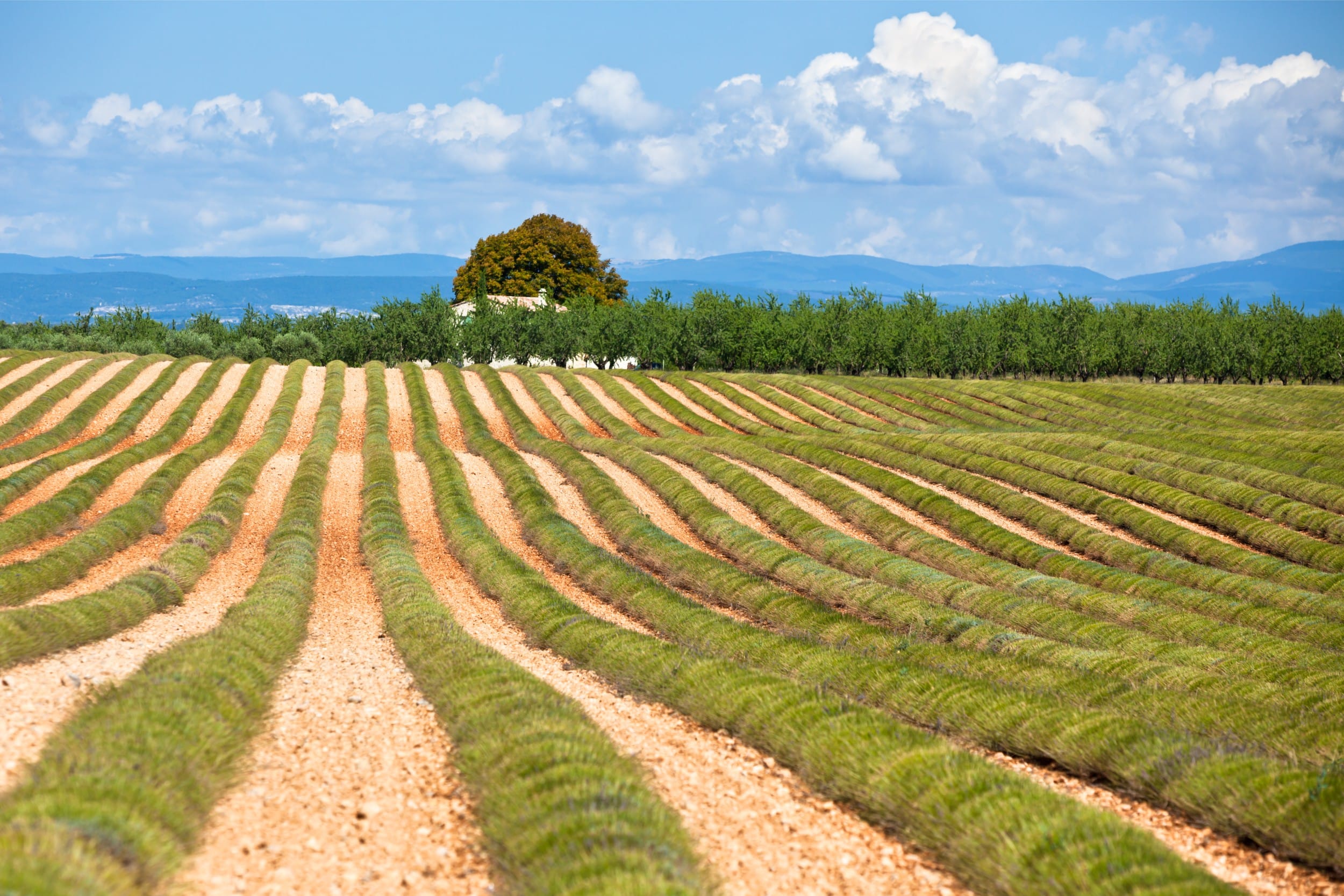
Choose the setting that suits you: spa, nature, countryside or private cocoon
The place directly influences the intensity of letting go. Some couples relax better with a highly structured spa space (pool, hammam, treatments), others need nature and silence, and others seek the intimacy of a suite with a private hot tub. Before booking, ask yourself three simple questions: do you rest better in quiet or in a lively hotel atmosphere? do you need to move (walk, cycle) to decompress? do you prefer guided treatments or total autonomy?
To explore formats and inspirations for relaxation-focused stays, you can consult ideas grouped around the wellness theme, for example on Relaxation and Wellness: Weekend, Stay. It helps compare styles (countryside, mountains, seaside, hotel-spa, love-room) and clarify what suits you.
Option 1: the classic spa break (effective and hassle-free)
The winning combo: free access to a water area + one treatment per person + a very simple evening (light dinner or room service). It’s the most reassuring format: everything is within reach, the weather matters less, and relaxation is immediate. If you’re aiming for a specific region, examples of getaways exist, such as Spa weekend for couples in Rhône-Alpes, useful for envisioning a spa + setting + gastronomy package.
Option 2: nearby countryside (gentle disconnect, without a long trip)
When time is short, reducing travel greatly increases the vacation feeling. The countryside near a big city is ideal: quick arrival, cleaner air, longer nights, and a slower pace. For ideas for a country getaway, you can look at selections like Top 10 spa & wellness weekends in the countryside near Paris, which clearly illustrates the appeal of a nearby but change-of-scenery stay.
Need a room? Book directly!
Option 3: total privacy (suite with private spa, rituals for two)
If your priority is the couple’s bubble, favor formats where you hardly share anything with other guests: private jacuzzi, sensory shower, small terrace, dimmed lighting, and truly good soundproofing. In this setting, the weekend becomes a ritual: long bath, scented oil, alternating massages, infusion, shared playlist. For advice and organization ideas focused on relaxation for two, the article Relaxing and wellness romantic weekend can help refine the atmosphere and the little touches that make all the difference.
Option 4: the all-spa selection (if you want to compare quickly)
Some couples like to decide quickly from a shortlist: region, type of accommodation, presence of a private spa, and budget. To view different options gathered in the same spirit, you can browse a compilation such as 100 Weekends with spa: jacuzzi®, suite & relaxation in .... The advantage: compare formats, spot what attracts you (suite, château, cabin, hotel), then book with confidence.
A simple 48-hour itinerary (without overloading)
Here is an easy framework to adapt. It deliberately leaves room for doing nothing, because that is often where the couple breathes best.
Day 1: gradual disconnection
Late afternoon : arrival, settling in, shower, comfortable clothes. Put phones away (airplane mode or do not disturb), at least until dinner. Take a walk around the premises, locate quiet spaces.
Start of the evening : gentle spa (20–40 minutes). Don’t aim for performance: alternate hot/warm, breathe slowly, hydrate. The idea is to relax, not to scrub yourself clean.
Dinner : light but tasty. Avoid excessive alcohol if you have a treatment the next day: you’ll sleep better and get more out of it.
Night : go to bed early or allow a conversation slot: 30 minutes where each person tells about their week uninterrupted, then 10 minutes to decide on a shared intention for the next day (e.g. walk, slow down, laugh, prove nothing).
Day 2: the heart of wellness (treatments + nature + pleasure)
Morning : breakfast without screens. Then a leisurely walk (even 30 minutes): it regulates stress and improves mood. If you are in an area good for trails, you can plan an easy outing using local resources like hiking routes starting from Les Arcs. The point isn’t to gain elevation, but to oxygenate and sync your rhythm.

Noon : a simple lunch, ideally with local products. Leave time afterward for a short nap (20 minutes) or a quiet rest.
Afternoon : treatments. If you only take one, choose it based on your fatigue: a relaxing massage if you’re tense, a gentle lymphatic drainage if you feel heavy, a facial if you want a mental reset. Tip: space treatments 30 minutes apart to avoid an assembly-line feeling and to have time to reconnect between them.
Evening : an enjoyable activity that doesn’t resemble everyday life. In Provence, for example, a gentle, gourmet outing works very well: strolling, snacking, listening to music. For inspiration, see a selection of Provence night markets : relaxed atmosphere, slow walking, culinary discoveries, and an instant holiday feeling.
Day 3: closing without rushing
Morning : one last spa access (short) or a long bath/shower. Pack your bags earlier so you don’t end in a rush. Have a coffee outside if possible. Before leaving, choose a sensory souvenir to take home: an herbal tea, an oil, a playlist, or a gesture (5 minutes of stretching together).
Activities that strengthen the bond (without turning into a schedule)
A wellness getaway for two is not just the sum of relaxing activities: it is also a relational moment. Some experiences have a powerful effect because they create presence and complicity.
Couples massage… or taking turns for the massage
The duo cabin massage is a classic, but you can also establish a mini-ritual in the room: 10 minutes each, in silence, with a neutral oil (or a body lotion). The rule: gentle pressure, slow movements, and attention to breathing. It's not the technique that matters, it's the intention.
Slow walking (really slow)
Walk with no distance goal. Pause. Watch the light. Ask a simple question: what do you need right now? The body relaxes, and the conversation becomes more authentic.
The silence bath
Decide together on 30 minutes without talking, without screens. Sit, look outside, listen. Many couples realize how much the mind calms when there is no need to fill the time.
Need a room? Book directly!
Eating well without ruining the relaxation: the light + pleasure strategy
Food can support or sabotage your sense of well‑being. Without going on a diet, favor balance: a good ingredient, simple cooking, a reasonable portion, and true slowness at the table. If you have an aperitif, accompany it with water. If you are sensitive to sleep, avoid very sweet desserts late at night.
A good guideline: seek satisfaction rather than fullness. A dinner that does you good leaves a feeling of lightness and stable energy the next day — perfect for enjoying a spa, a walk, or a treatment.
Customize according to your duo: sporty, contemplative, epicurean…
Two people don’t recover in the same way. The best weekend is the one that respects your profiles.
If one of you needs to move : add an easy hike, a bike route, or even a gentle mobility session. Movement regulates stress and makes quiet times more enjoyable.
If one of you needs absolute calm : favor a very cozy room, reading time, and relaxing treatments. Minimize visits and outings.
If you are pleasure-seekers : a good dinner, a local market, a moderate tasting and a digestive walk create a perfect trio of pleasure + relaxation.
Themed stay ideas: add a dimension without weighing it down
To avoid the feeling of repeating the same weekend, you can choose a light theme that gives the stay a tone.
Golf and relaxation: alternate focus and release
Golf is surprisingly compatible with relaxation: walking, nature, breathing, and attention to the swing. If this option appeals to you, you can take inspiration from a format such as a golf and relaxation stay in the Var, where you alternate gentle activity and recovery time.
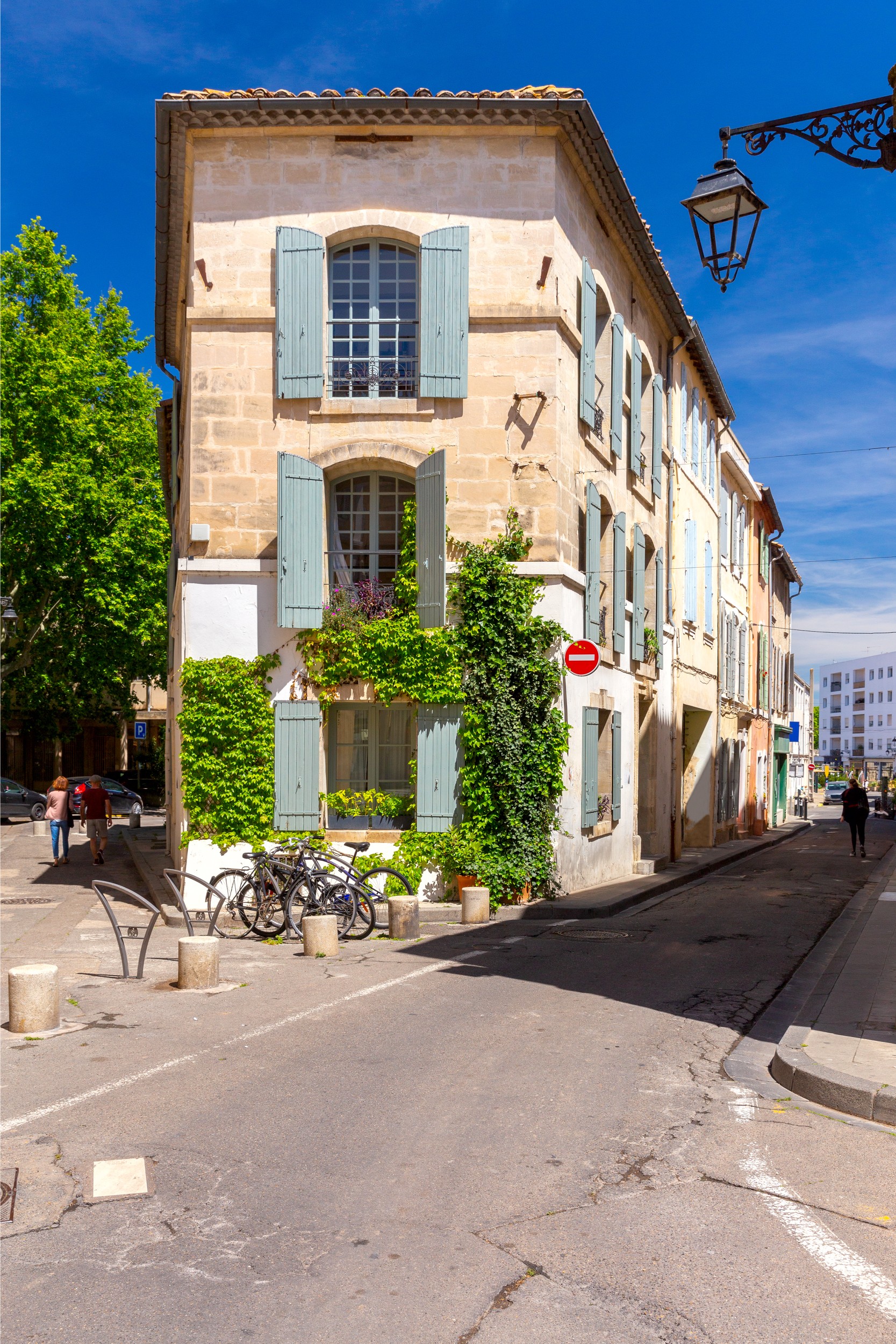
Escape to an exceptional place: the setting as an accelerator of disconnection
Sometimes simply sleeping in a place different from everyday life is enough to lift the mental load. A heritage setting, a hushed atmosphere, spacious rooms, a park… The setting becomes an experience in itself. For inspiration in this spirit, discover an idea for an unusual stay in a château.
Bringing your pet: avoiding the stress of finding care
For some couples, true well-being begins when they don’t have to arrange pet care. If your four-legged companion is part of the equation, there are suitable addresses. You can prepare this in advance via dog-friendly accommodation options in the Var, to avoid unpleasant surprises and keep a light mind.
Common mistakes to avoid (and their simple alternatives)
Trying to make it profitable : doing multiple activities creates stress. Alternative: one goal per half-day.
Arriving too late : you lose the evening and the chance to unwind. Alternative: leave earlier or choose a closer location.
Staying connected : notifications = tension. Alternative: a dedicated window (15 minutes) to check essentials, then quiet mode.
Eating too heavily : less restorative sleep, less enjoyable spa. Alternative: treat yourself, but keep it simple and early.
Choosing a noisy spa if you're seeking serenity : some spaces are more social. Alternatively: choose quiet slots (morning) or a private area.
Practical checklist: what really changes the experience
To take ? comfortable swimsuit, flip-flops, water bottle, moisturizing cream, small massage oil, warm clothes for transitions, book, headphones if one wants a little bubble.
To ask before booking ? spa hours (and adults-only slots if available), possible privatization, treatment durations, cancellation policy, soundproofing, light meal options, parking and accessibility.
To decide as a couple ? do you want a weekend of silence or conversation? more cocooning or exploring? more treatments or nature?
Book simply: choosing ease
The smoother the booking, the more energy you keep for the essential: being together. If you’ve already picked your dates and want to go straight ahead, use the booking module: Need a room? Book directly!
Need a room? Book directly!
Make the effects last after returning: extend the pause
A good weekend doesn’t end at check-out. To prolong the feeling, choose a small ritual to bring home: 10 minutes of stretching together on Sunday night, a light dinner like on vacation once a week, or a walk without your phone. Also note what made you feel best (spa, nature, silence, indulgence): it will be your compass for the next getaway.
Deep down, the goal isn’t to be perfect. It’s to create a space where the body relaxes, the mind slows down, and the couple reconnects — with simplicity, presence and pleasure.