A vibrant setting where history unfolds
Choosing a hotel in a castle means accepting that the place tells as much of a story as the journey itself. The thick walls, the vaults, the worn stairs, and the surprisingly proportioned lounges do not merely provide a spectacular backdrop; they establish a continuity between past and present. A room overlooking a park designed centuries ago, a corridor opening onto a courtyard, or a boudoir with ancient woodwork create a particular intimacy: one experiences the rare feeling of stepping into a narrative where, for the duration of a stay, one becomes a character. This density of history, without heaviness, amplifies every moment, from breakfast to the last drink by the fire. It nourishes the imagination as much as it does rest, and gives the travel interlude an intensity that standardized accommodations cannot reach.
This heritage is not static; it is lived. A reception set in an old guard room, a library open to guests, the light moving over the stones throughout the day… Everything contributes to giving the experience a sensory dimension. One moves differently here, speaks more softly, slows down, observes. This slowing down becomes a form of discreet luxury, precisely because the architecture invites it without constraint. In a hurried world, it is precious to be guided by the atmosphere of a place rather than by an agenda of activities. Architectural aesthetics and decorative arts.
A castle-hotel knows how to create effects that only the interplay between grandeur and detail makes possible. Generous volumes coexist with intimate nooks. A tapestry, an old plank floor, a molding, a stained glass window: all these elements give texture to the stay. The eye finds materials and traces of craftsmanship everywhere; it lingers, rests. This aesthetic is not a mere accumulation of old objects; it composes atmospheres where harmony and coherence unfold. Even when the interior has been reinterpreted in a contemporary spirit, the historical architecture remains the guiding thread of a visual comfort that soothes the mind and offers an alternative to international uniformity.
The perspective on the gardens, the way a window frames a century-old tree, the depth of a series of rooms: these natural frames become, at every hour, living paintings. The dawn on a path, the patina of stone at dusk, the reflections of rain on a cobbled courtyard… These scenes, simple and everyday, are as valuable as the most beautiful works. In a castle-hotel, aesthetics is not an addition; it is the backbone of well-being.
Current comfort without sacrificing character.
The classic objection is the fear that authenticity comes at the expense of comfort. This is not the case when the restoration has been thoughtfully designed. Soundproofing can be remarkable despite the age of the walls, the bedding meets the highest standards, connectivity and home automation are discreetly hidden to not disturb the aesthetic coherence, and the bathrooms are generous, often bathed in natural light. This alliance between heritage and modernity transforms the stay into a complete experience: one touches history without renouncing current pleasures.
What changes most is the feeling of uniqueness. The rooms are not repeated templates; each has a soul. The decor calls for a form of respect and, in return, envelops. One feels welcomed, protected, almost at home. This sensation is due to the proportion of the rooms, the warmth of the materials, but also to the way the circulation has been designed to preserve the intimacy of guests. Comfort is only fully appreciated when it blends into an atmosphere, and this is precisely what a well-restored castle-hotel achieves.
Author cuisine and local produce
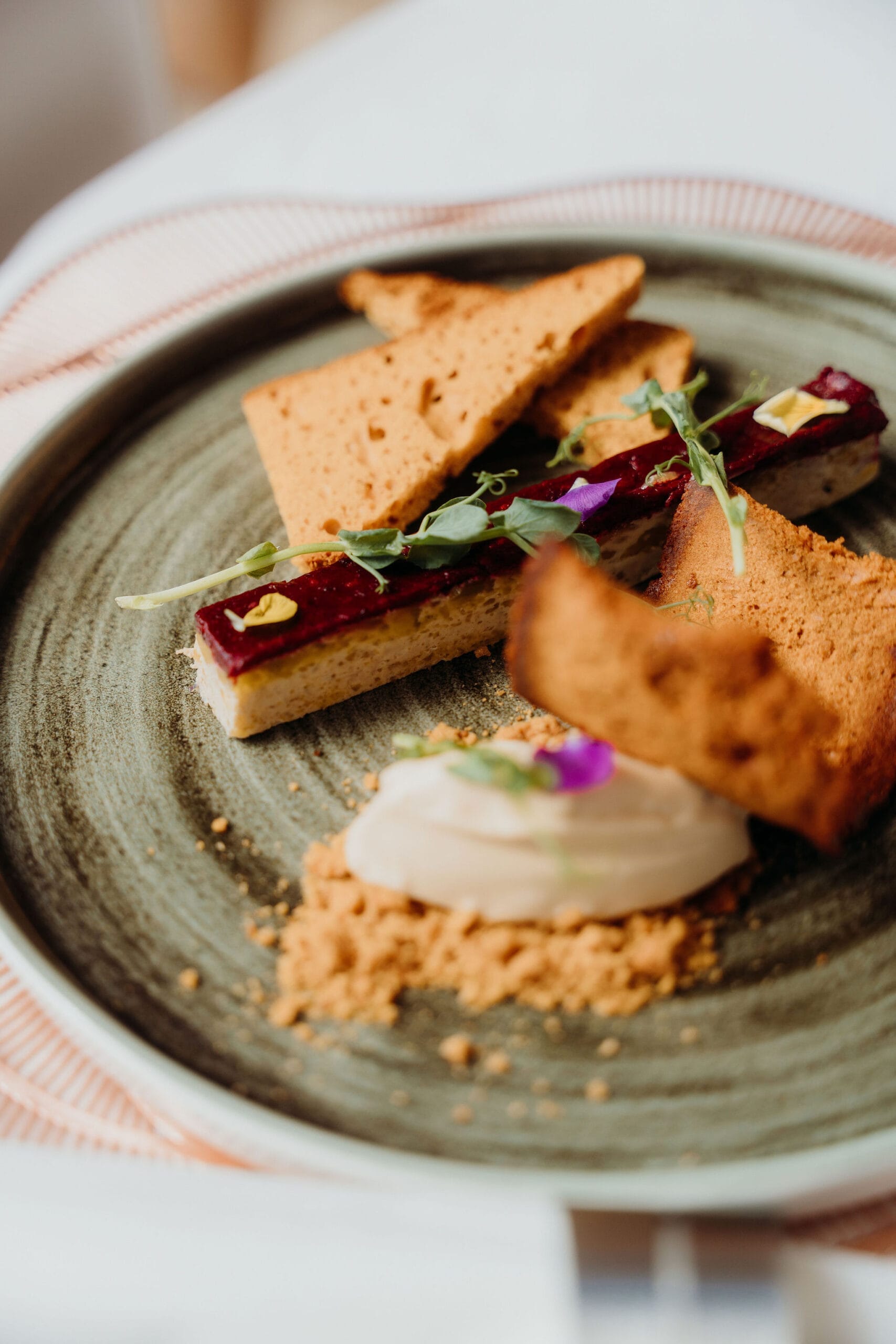
In a castle, the table naturally occupies a central place. Local products are expressed clearly, whether it is a gourmet dinner or a more stripped-down seasonal cuisine. The kitchen teams know how to play with the generosity of the setting without falling into showiness: beautiful dishes, a heavy tablecloth, the right distance of attentive service, all contribute to the quality of the moment. The other strength of a castle table lies in its relationship to the local produce: vegetable gardens, nearby suppliers, carefully curated cellars that tell the diversity of a region.
Breakfast, often served in a bright room or under vaults, becomes a ritual: artisanal breads and pastries, homemade jams, local dairy products, fruits, honey. This first gourmet interlude prepares one to explore the surroundings or to indulge in a day of idleness. In the evening, the cuisine can become more ambitious, bearing the signature of a chef, offering food-wine pairings that highlight local grape varieties. One thus enters into a gastronomic conversation with the territory, without imposed folklore.
Nature, well-being, and slowness
A castle is not just a building; it is an estate. There are French gardens, landscaped parks, groves, sometimes a body of water or a river. The air circulates, the silhouettes of trees rhythm the gaze, the paths invite to stroll. Nature is not decorative: it constitutes a device for regeneration. Breathing at dawn, walking aimlessly, sitting on a bench facing an open horizon, all these simple gestures rest more surely than a succession of attractions.
The well-being aspect fits into this continuity. Spa areas, often tactfully integrated into outbuildings or renovated wings, offer treatments inspired by local resources, calm pools, saunas that prolong relaxation. There is no rush. The schedule can adjust to the weather, to the moment's desires. This freedom, combined with the quality of silence, greatly contributes to the balance of the stay. One emerges with a feeling of alignment, as if the lines of the place had helped to put thoughts in order.
Experiences you won't find elsewhere
Castle rituals
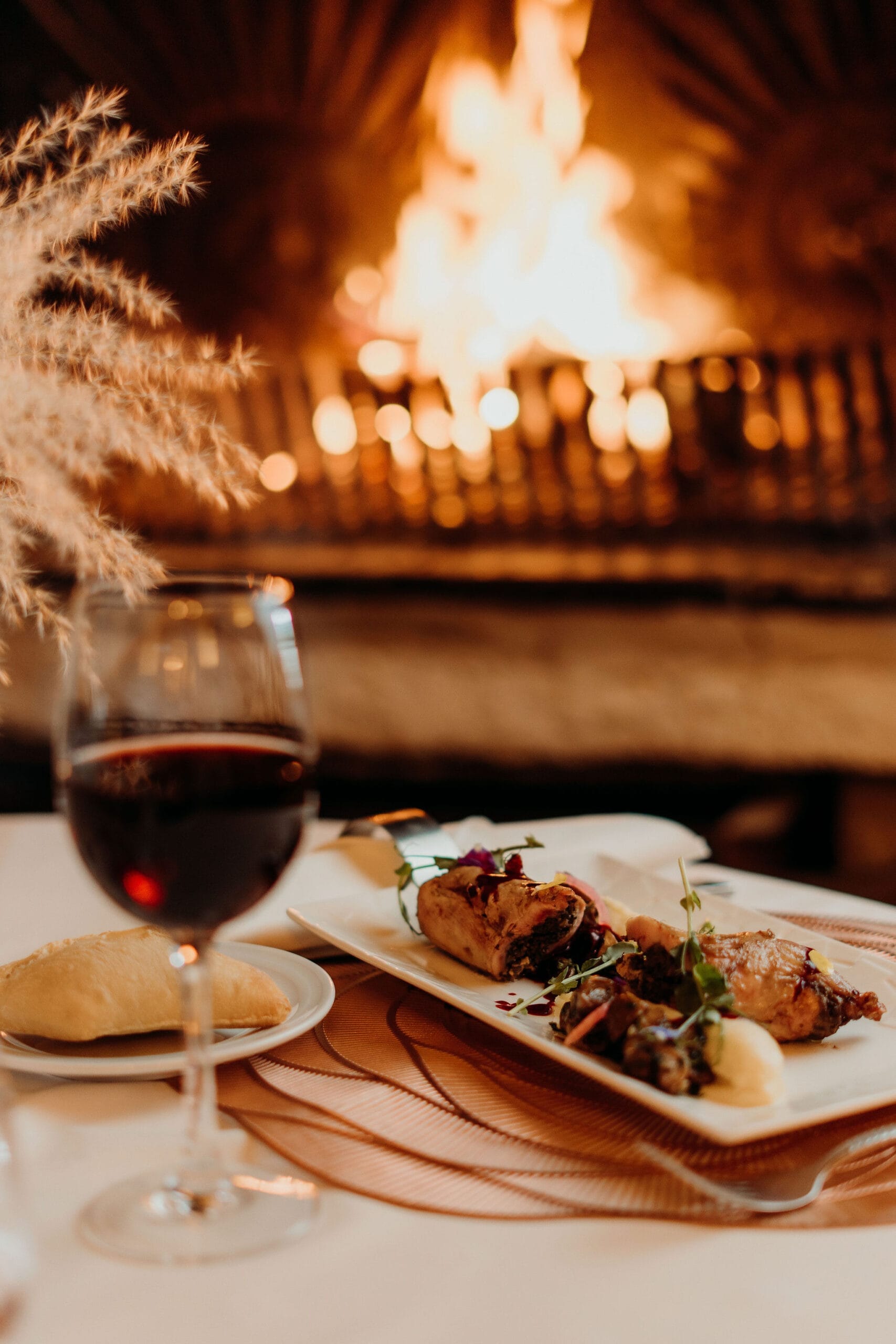
The afternoon may call for tea in a wood-paneled lounge, a drink by a fireplace at blue hour, reading in a library whose shelves tell decades of curiosities. These rituals, which seem trivial, acquire a gentle solemnity in the setting of a castle. One cultivates a presence in the moment, an art of living where attention to detail is complete: the light of a lamp, the touch of velvet, the discreet tinkling of a dish.
Immersive activities
A historic estate allows activities in line with its spirit: discovering the gardens with the gardener, an introduction to the arts of the table, guided tastings, guided walks around the architecture and materials, workshops on local know-how. These are not superficial animations but natural extensions of the place. They provide the satisfaction of learning, refining one's gaze, and understanding what is before one's eyes.
Meetings and transmission
The staff, often attached to the house for a long time, becomes a vector of memory. An anecdote about the restoration of a wing, a story about a portrait hanging in the grand staircase, an explanation about a variety of trees: these informal exchanges create a bond. The stay is enriched by a feeling of complicity, as if one were being received by demanding and generous friends. The transmission occurs without heavy discourse; it happens through delicacy and the desire to share a living heritage.
Intimacy, space, and a sense of privilege
Most castle-hotels prefer quality over quantity. Fewer rooms, more space, lounges where one can isolate oneself, terraces that are not overcrowded: this measured density contributes to the feeling of privilege. Far from the anonymity of large infrastructures, one feels recognized and respected in their need for calm. Couples appreciate this romantic interlude, families find places to gather without stepping on each other's toes, and solo travelers cultivate a peaceful relationship with solitude, without feeling invisible.
The discretion of the service, attention to everyone's rhythms, the ability to personalize a detail without excess creates a subtle luxury. This may be the greatest asset of the castle-hotel: to make palpable a quality of hospitality that does not dazzle but envelops. One does not do things there; one lives better, closer to their desires.
Weddings, seminars, and celebrations
A castle offers natural volumes and scenography that align with significant moments. For a private celebration, the harmony between the outside and inside multiplies the possibilities: a ceremony in a garden, dinner in a vaulted room, dancing in an orangery. This fluidity between spaces allows for a seamless event narrative, where each step finds its setting. The teams, experienced in this type of project, know how to adjust logistics to preserve the soul of the place while ensuring the comfort of the guests.
For a seminar, the setting fosters concentration and creativity. Away from the office, without being isolated from everything, participants are more willing to engage in exchange and reflection. Breaks in the park oxygenate thought, dinners nourish conversations, lounges create bubbles conducive to workshops. The result is more fruitful encounters, better-grounded decisions, a shared memory that serves cohesion.
An authentic regional immersion
Choosing a castle-hotel is also giving oneself the best gateway to a region. The teams know the artisans, winemakers, markets, less frequented paths, and discreet museums worth visiting. The recommended itineraries stray from overly marked circuits to favor fine discoveries. Returning to the castle at the end of the day confirms this connection with the territory: one feels welcomed like a passing neighbor, not like a hurried consumer.
This dialogue with the local environment avoids the bubble effect sometimes criticized in luxury hospitality. Here, refinement does not deny anchoring; it deepens it. The wine list tells a geology, the fabrics evoke a textile tradition, the objects in the rooms testify to a still-living craftsmanship. One returns home with memories that have texture and meaning, carried by encounters and tastes that belong to the place.
A responsible way to travel
Transforming a castle into a hotel extends the life of a building rather than constructing from scratch. This approach to reuse, when conducted seriously, constitutes an act of sustainability as much as culture. Restoration work improves the building's energy, modern systems optimize water and heating consumption, and gardens become refuges for biodiversity. Purchases prioritize short circuits, recruitment strengthens the local economy, and training values rare trades.
Responsible travel does not mean renouncing pleasure; it invites choosing addresses that uphold their commitments. In a castle-hotel, heritage and environmental values converge: preserving the past to better inhabit the present. Guests sensitive to these issues find coherence from start to finish, far from superficial greenwashing. This alignment is felt, even in the quality of the air, the happy sobriety of the lighting, and the attention given to sustainable materials.
Perceived value and emotional return
One could reduce the question of choice to a matter of budget. However, the calculation that prevails for a castle-hotel does not solely obey the arithmetic of the price per night. One must consider what the place gives in return: density of experience, memorable memories, emotional resonance. A dinner in a historic room, a moonlit walk in a silent park, waking up to a horizon of hills... These moments, difficult to quantify, leave a lasting mark. They give the stay an added value that exceeds mere comfort.
This emotional return is not ostentatious luxury. It resembles those objects that one keeps for a lifetime because they accompanied important moments. A stay in a castle can take the form of a gift one gives oneself, a step in a personal story, or a milestone in a relationship. One does not consume a castle; one briefly inhabits it, and it continues to inhabit memory.
Accessibility and logistics
Sometimes we imagine these isolated and hard-to-reach residences. In reality, many are located a short distance from major roads, with nearby train stations and smooth connections. The car allows for easy exploration, and it has become common to find charging stations for electric vehicles. Upon arrival, the check-in process is straightforward: clear parking, well-kept luggage, precise welcome. Once settled in, one realizes how much the organization has been designed to simplify the stay without showing the mechanics. Logistical comfort is an integral part of relaxation.
This ease extends for those who wish to combine work and leisure. Quiet lounges, reliable connectivity, tables where one can place a laptop, a teapot always ready: concentration improves, fatigue decreases. Others may prefer to enjoy a deliberate disconnection, made possible by the generosity of the spaces and the richness of the outdoors. Everyone can create their own experience.
Seasons and Atmospheres
The same castle tells four stories throughout the year. Winter ignites the fireplaces, tightens conversations in the lounges, invites you to savor comforting dishes. Spring awakens the gardens, opens the windows, brings in the scent of flowers and the changing light of longer days. Summer unfolds the terraces and stretches dinners under the stars. Autumn gilds the foliage, inspires slow walks, offers oblique lights of rare beauty. Each season has its rates, its rhythms, its promises; the castle naturally accompanies these variations.
The attentive traveler learns to play with these atmospheres. A stay in the quiet season allows one to appreciate the depth of silence, while another in the heart of a cultural program reveals the talents of the region. The castle, in turn, remains the benevolent constant that gives depth to each period.
Who makes sense of this choice?
Couples will find the perfect setting for a pause where they can share important things without being disturbed. Families will enjoy the space and outdoor activities, with memories that children willingly recount. Solo travelers will savor the freedom to follow their desires in an environment that stimulates curiosity without overwhelming the senses. Professionals, finally, will see it as a place to think better, decide calmly, and create a strong team spirit. In all cases, the harmony between place, time, and human attention makes the difference.
How to choose your castle hotel well
The success of a stay depends on the alignment between the character of the place and your expectations. One can linger on the philosophy of the restaurant: does it prioritize authenticity or a contemporary reinterpretation? The size of the estate influences the atmosphere: more intimate or more lively depending on the number of rooms. The dining experience, a key element, deserves examination: attachment to local produce, precision in cooking, a vibrant wine list. Common areas also count: welcoming lounges, a library, gardens accessible at all hours. Complementary services, such as a discreet spa, knowledgeable concierge, and well-chosen activities, finally shape the fabric of a harmonious stay.
Prior contact with the team speaks volumes. An attentive response to your questions, personalized advice, and an ability to understand your priorities signal sincere professionalism. One is not looking for simple accommodation, but accomplished hospitality. When this promise shines through from the first exchanges, the stay is likely to meet expectations.
In summary
Choosing a hotel in a castle means preferring intensity over quantity. It means placing the journey within a cultural continuity that connects the gestures of yesterday to the pleasures of today. It is to taste an aesthetic that soothes, a comfort that does not flaunt itself, a table that tells a story, a nature that reclaims. It is also about giving meaning to the way one travels by prioritizing the rehabilitation of heritage and the vitality of a territory. A castle hotel is not a timeless interlude; it is a place where time finds its proper measure. One gains what is most lacking in our hurried lives: the space to feel, understand, and remember. And one leaves changed, with the intimate conviction that hospitality, when rooted in beauty and attention, can transform a simple hotel night into a foundational experience.