


faience and Provençal craftsmanship
On the roads of Provence: when clay becomes a story
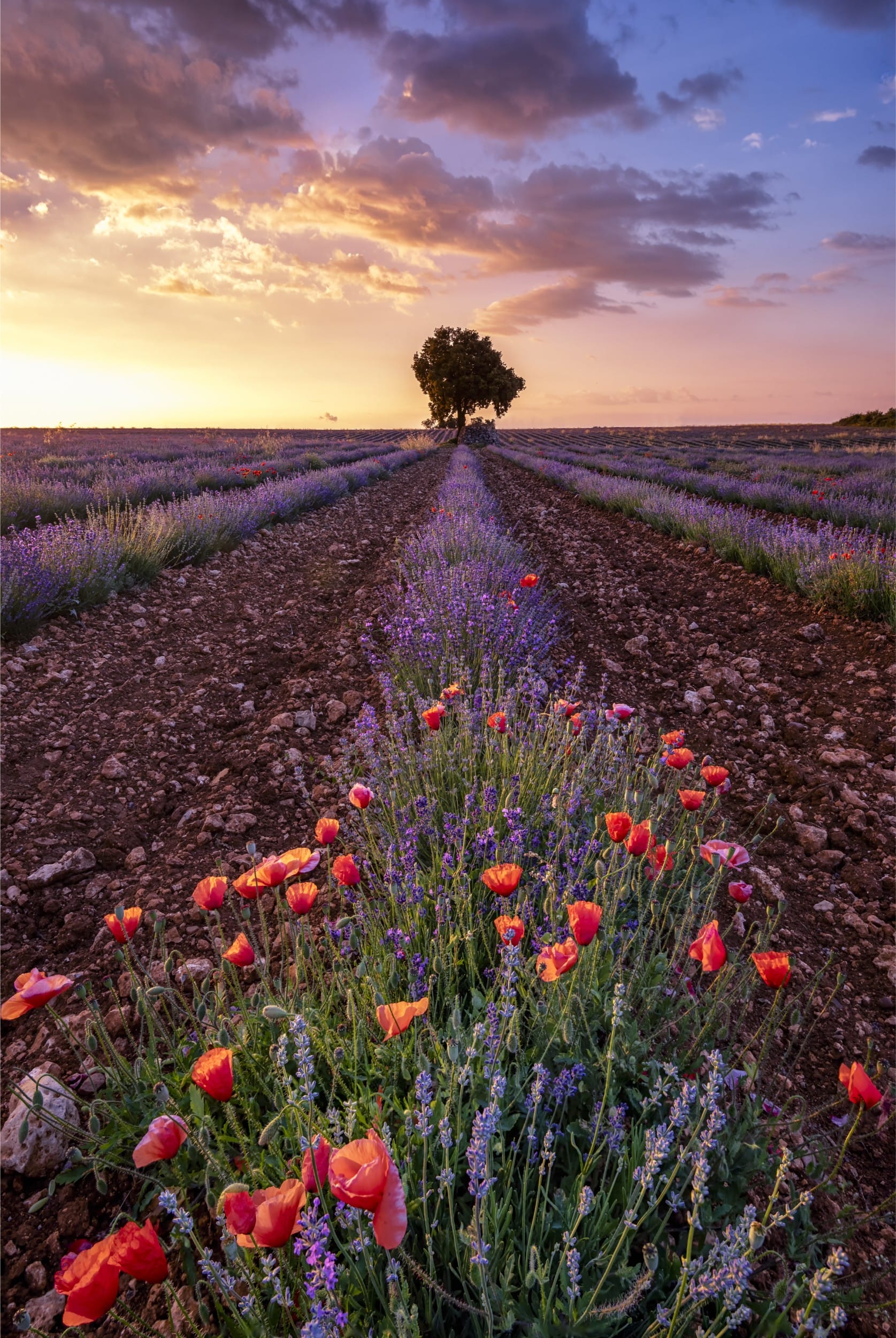
You only need to pass through a few hilltop villages, follow olive groves or linger on a shaded square to understand that here craftsmanship is not a backdrop: it’s a way of inhabiting the land. Faience, in particular, is discovered as if leafing through a travel journal. A hand-painted dish evokes a family meal, a set of plates recalls a village fête, a pitcher restores the coolness of a fountain. Provence does not simply display its objects: it stages them, in kitchens, on tables, in markets, and even in visitors’ suitcases.
This discovery often begins with a detail: a saffron-yellow rim, a deep blue, stylized olive branches, naive flowers, or those pastoral scenes that seem to tell the simple, luminous life of an imaginary South. Then you move closer, touch, turn the piece over to look for a workshop mark. From there comes the desire to go further: to understand the gestures, the transmission, the kilns, the glazes, and the place of these creations in a regional history made of exchanges, trade routes and Mediterranean influences.
Workshops, markets, villages: craftsmanship as an experience
Provence is also visited through its hands. In a ceramics workshop you don’t just watch a demonstration: you observe a rhythm. Shaping demands quiet concentration, drying requires patience, glazing calls for trust in chemistry and intuition, and firing forces you to accept a measure of the unexpected. The success of a consistent series depends as much on rigor as on the eye, for the right color does not exist without light, and Provençal light is an ingredient in its own right.
Wandering through markets you recognise that diversity: utilitarian pieces, decorative objects, tiles, serving dishes, small series and one-off pieces. Artisans readily recount the origin of a motif, the difficulty of a red, how a brush holds the glaze, or why a form was slightly altered to fit better in the hand. To prepare for these sorts of encounters and locate workshops open to the public, a good entry point is the page The artisans, which connects the visit to concrete places and living skills.
From the circulation of ceramics to Mediterranean influences
Faience in Provence cannot be understood without the idea of circulation. Ports, fairs, and inland roads long served as veins for the trade of objects, pigments, clays, and techniques. Forms travel, styles transform, and workshops adapt to local tastes while integrating inspirations from elsewhere. This movement explains why some pieces seem both very local and surprisingly universal: they are the result of successive layers of innovations and borrowings, digested and then reinterpreted.
For those who wish to delve into the historical background, the study The spread of ceramic products in Provence: 14th ... sheds light on the way productions circulated, were exchanged, and took root. Without turning the visit into a lecture, this type of resource changes the perspective: one no longer sees only a pretty object, but a witness to trade routes, domestic needs, fashions, and sometimes social prestige.
Need a room? Book directly!
In the secret of colors: motifs, glazes and signatures
What strikes in Provençal faience is the balance between spontaneity and control. The motifs appear simple — a flower, a branch, a frieze — but simplicity is often the result of long work of refinement. The hand must remain loose while being precise, and the color must be anticipated: the glaze will reveal itself fully after firing, sometimes brighter, sometimes softer, sometimes slightly different from what one thought they saw in the moment. This transformation is part of the charm and explains why two pieces, even from the same workshop, are never strictly identical.
Workshop signatures, marks painted under the base, initials or symbols are also a fascinating lead. They refer to a house, a lineage, a specific artisan. Some workshops claim historical décors, others favor contemporary creations inspired by local landscapes. In all cases, the object becomes a fragment of biography: that of a learned gesture, repeated, then mastered to the point of becoming a style.
The art of the table: everyday life as stage
In Provence, craftsmanship slips into habits. Faience is not reserved for display windows: it accompanies meals, aperitifs, ordinary days as well as large gatherings. An oval dish for grilled vegetables, plates for pistou soup, a generous salad bowl, small bowls for olive oil… Tableware gives shape to sharing. It stages local products, and perhaps that is its deepest function: to make hospitality visible.
To explore pieces designed for service and the rituals of the meal, the page Provençal Tableware & Earthenware help to understand how tradition and use come together: suitable shapes, evocative decorations, and the continuity of a craftsmanship that endures over time.
Museums and places of memory: see, compare, learn
If the workshop is the place where you feel creation happening, the museum is where you step back. Comparing eras, styles, techniques, observing the evolution of colors and motifs: all of this provides anchors. Collections also help to understand what distinguishes a utilitarian piece from a prestige piece, and how a domestic object has sometimes been elevated to the rank of artwork without losing its primary function.
To build a coherent cultural itinerary around regional crafts, the selection Top 5 craft art museums in Provence is an excellent starting point. It invites alternating contemplation and encounters, moving from a display case to a conversation, from a heritage collection to an atelier shop.
Heritage, ancient stones and artisans' gestures: a single thread
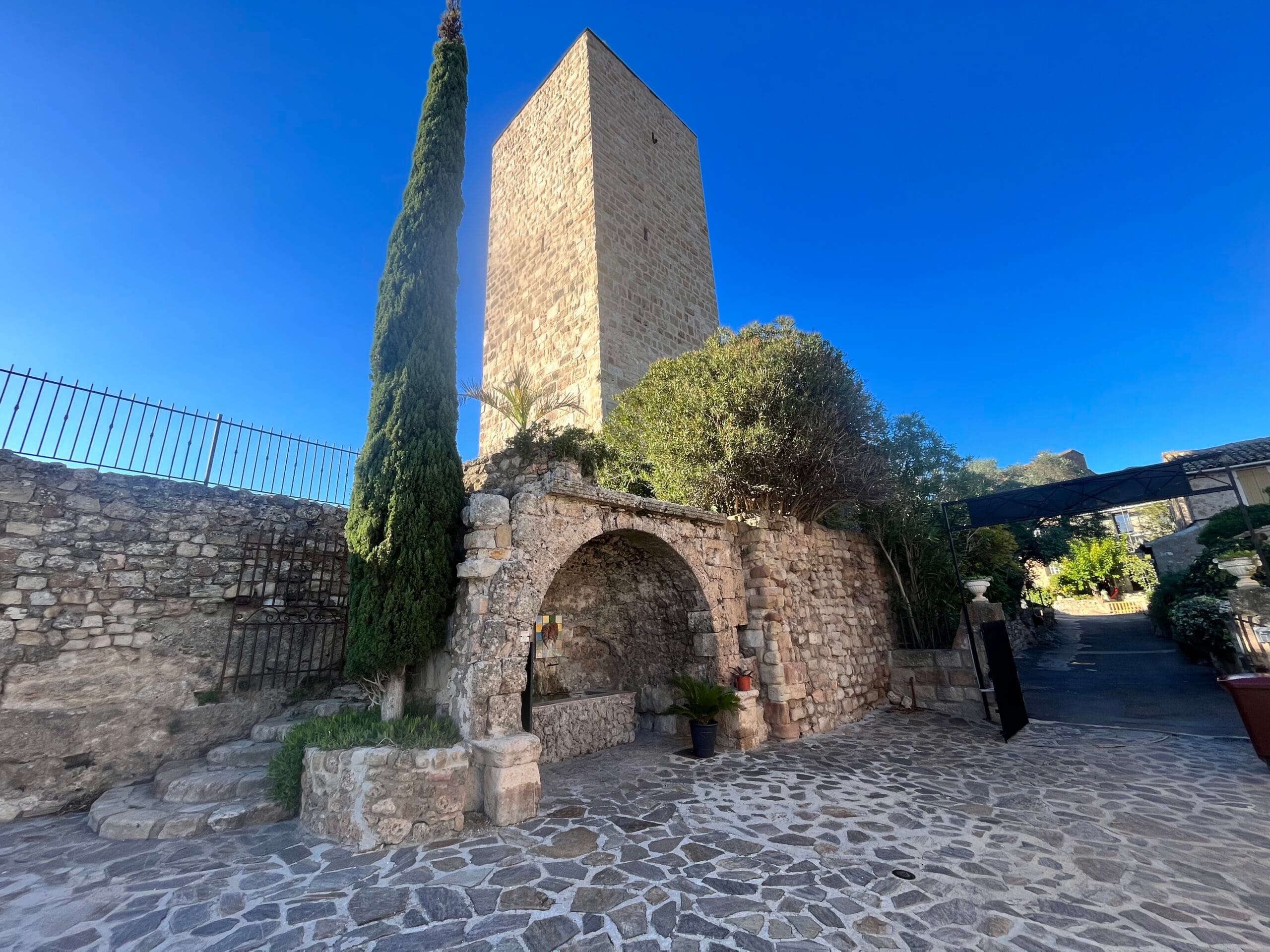
Provence naturally links craftsmanship to its architectural heritage. Abbeys, chapels, cloisters and old villages tell another form of know-how: carved stone, carpentry, ironwork, plasters, floors. And this dialogue between materials — terracotta and stone, enamel and light, wood and metal — reinforces the impression that everything is connected. An ideal day can thus combine a heritage visit in the morning and a ceramics workshop in the afternoon, like two chapters of the same book.
To extend this approach and root the discovery in places laden with history, the article Visit the abbeys and historical sites of the Var offers relevant leads: you find there this intimate link between decoration, territory and memory, which also feeds the artisans' inspiration.
Choosing a piece: simple criteria for an informed purchase
Faced with a beautiful faience piece, a purchase can be impulsive. Yet a few reflexes make it possible to choose an item that will stand the test of time. First, observe the overall balance: is the shape stable, pleasant to hold, proportionate? Next, look closely at the decoration: is the line confident, are the enamel areas regular, are the colors harmonious? Finally, consider the intended use of the object: everyday service or decorative piece? Some faiences lend themselves better to daily use, others require more care.
It is also useful to ask about the care instructions. Some pieces withstand gentle washing better, others do best when thermal shocks are avoided. A serious artisan will gladly explain these details, as they are part of respecting the object. Buying directly also means buying a story: that of the chosen clay, the imagined decoration, the kiln, and the time needed to produce a finished piece.
Meeting the artisans: what truly stays with you
What you take away from meeting an artisan often goes beyond the object. You remember a gesture: the brush gliding, the wheel turning, the piece held at eye level to check a curve. You also take away a philosophy: working slowly, accepting risk, starting over, refining. These values resonate especially today, when everything seems to have to move fast. Faience, however, imposes its own tempo: drying, firing, cooling. It teaches a form of presence.
Need a room? Book directly!
And then there is the accent, the anecdotes, the humor, the walking tips, the recommendation of a market the next morning. Provence is passed on as much through speech as through material. Perhaps that is the heart of the discovery: a way of life where the object is never separated from the human.
A stay to take your time: sleep, discover, do it again
To fully enjoy these discoveries, the ideal is to treat yourself to a stay that allows for the unexpected: a workshop spotted around a bend, a museum that extends a curiosity, a shop where you find the missing piece. Comfort matters, but so does the setting: a place where you slow down, where you can leaf through brochures, plan a morning visit, then return in the evening with the feeling of having learned something tangible.
If you are looking for a break that combines charm, place and inspiration, the article Dream stay in a Provençal château offers an idea of a setting conducive to this type of cultural and craft-based wandering.
Traveling in coherence: local crafts and care for the world
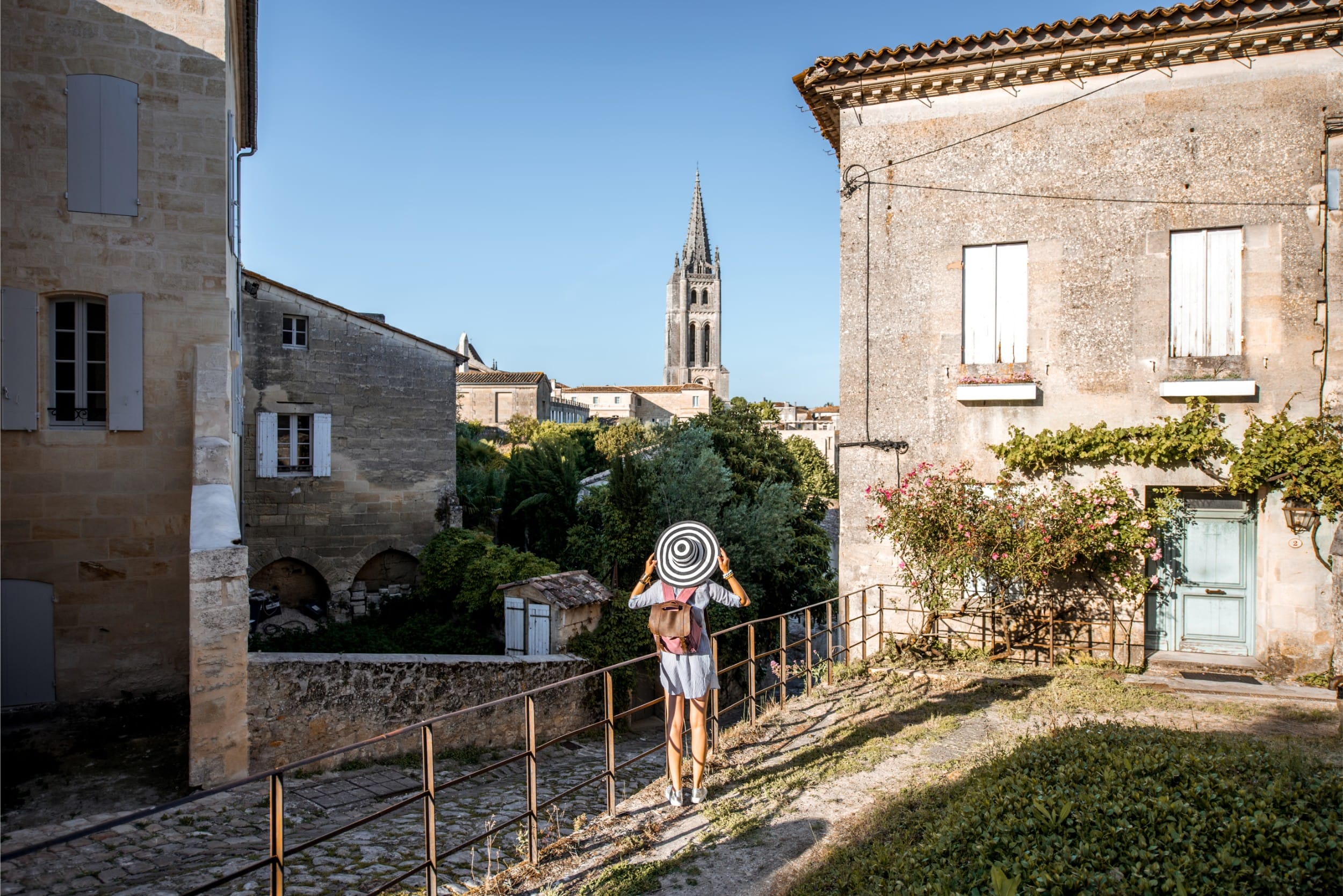
Discovering earthenware also means reflecting on the value of things: what they cost, how long they last, what they avoid. A well-chosen handmade object sometimes replaces repeated, fleeting purchases. In the same way, traveling in Provence can become a more conscious approach: favoring short supply chains, small-scale visits, workshops that produce locally, and accommodations that follow a logic of respect for the territory.
To this end, the reading Eco-friendly hotel: travel differently provides useful insight: it invites you to rhyme the pleasure of the stay with coherence, without sacrificing comfort or the quality of the experience.
Natural pairings: earthenware, gastronomy and vineyards
The Provençal table calls for tableware, and the tableware calls for the products. When you take an interest in craftsmanship, you often end up taking an interest in what you serve in it: oils, tapenades, cheeses, sun-soaked vegetables, fruit desserts. And, of course, the wines that accompany these moments. Visiting an estate, understanding a terroir, tasting a vintage: it’s another way of reading the landscape, like reading a scene painted on a plate.
To combine the pleasures of tasting and discovering the Var, the article Wine-tasting oenological stay in the Var can complement an artisanal itinerary: one moves from the potter’s gesture to that of the winemaker, with the same attention paid to time, material and know-how.
Create connections: crafts and green events
Provence is not just a holiday destination: it is also a place suited to professional meetings and collective time. Incorporating crafts into a seminar program, for example through a workshop visit, a demonstration or an introduction, changes a group’s dynamics. People speak differently, share differently, and leave with a shared memory that is neither a simple PowerPoint nor a photo of a meeting room.
To imagine a format that favors breathing space, nature and inspiring content, the article Where to organize an offsite retreat in the countryside? can offer ideas for organization and spirit, consistent with the human dimension of the applied arts.
Practical tips for a successful exploration
To keep discovery smooth, a few simple choices make the difference. First, allow time: crafts are not consumed, they are encountered. Next, alternate formats: a workshop, a market, a museum, a heritage site. Finally, consider logistics: if you buy a fragile piece, ask for suitable packaging and plan transport in advance. Artisans are used to this and know how to protect their creations properly, but it’s worth discussing.
Season affects the experience: summer offers abundant markets and bustle, while spring and autumn allow quieter visits conducive to longer exchanges. As for winter, it invites a more intimate Provence, where one takes time to talk near an oven, understand a technique, choose a piece without hurrying.
Need a room? Book directly!
Conclusion: leaving with an object, returning with a way of seeing
Discovering faience and Provençal crafts is learning to see differently: behind a plate, an old road; behind a motif, a memory; behind a color, a firing and a waiting. One can leave with an object, of course, but one above all returns with a new gaze: more attentive to materials, gestures, and long time. And it is precisely this outlook that makes you want to come back to Provence, not to make it into a region, but to live it, at the scale of workshop and table.