


gastronomic getaway in the Var
Meeting the chefs: the Var as a playground
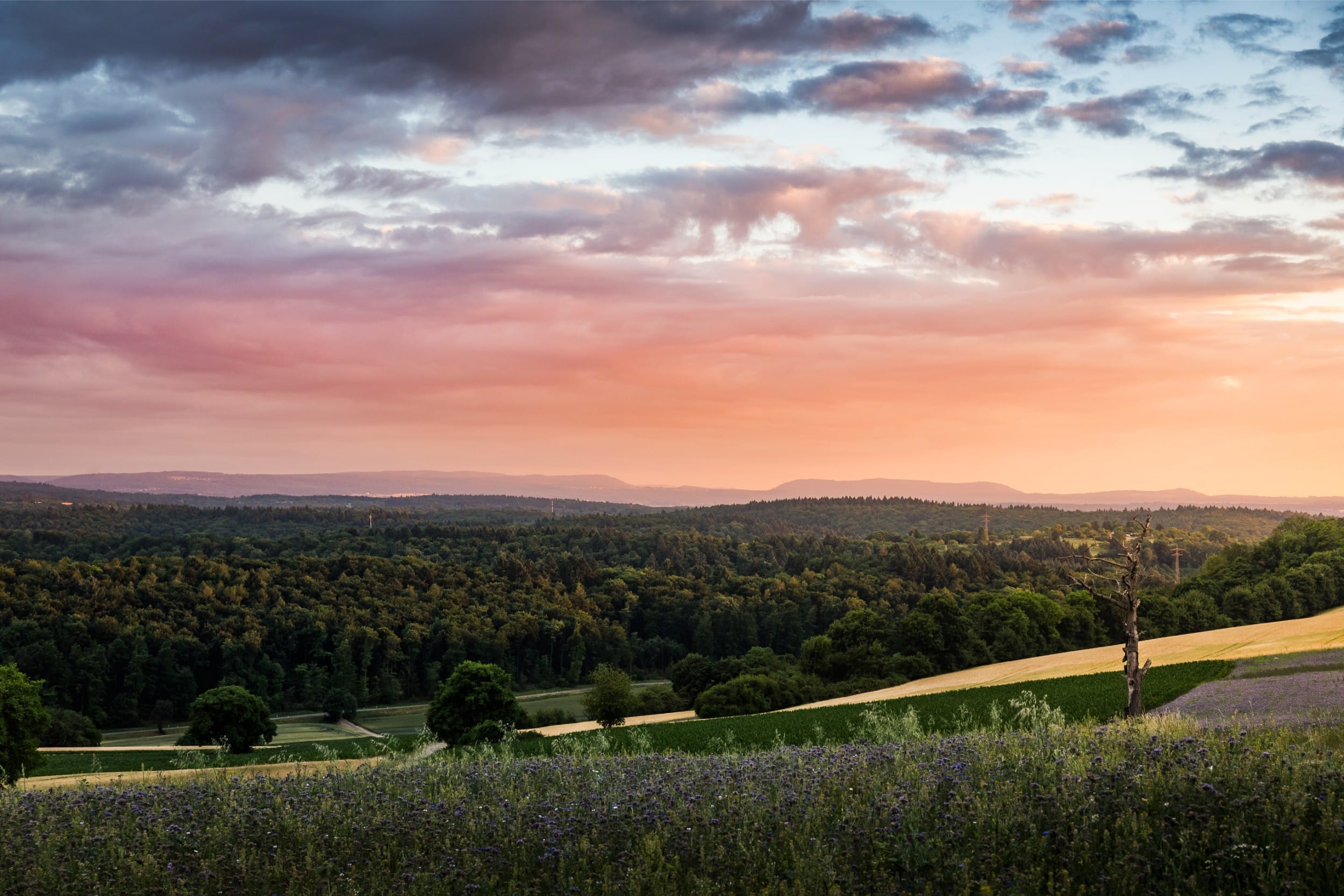
In the Var, cuisine is experienced in rhythm with the landscape: hills carpeted with vineyards, fragrant garrigue, fishing ports, and markets where the stalls tell the story of the season. For those seeking a memorable culinary experience, the interest lies not only in eating well, but in understanding how chefs work here: how they choose their producers, how they contend with the sun, wind, and sea, and how they transform simple products—heirloom tomato, zucchini, lamb, the day’s catch, wild herbs—into characterful dishes.
This journey is also a human encounter. In the Var, many kitchens embrace a direct relationship with the land: menus shaped by the day’s arrivals, variations on the same product throughout the summer, and careful attention paid to olive oils, citrus fruits, honeys, goat cheeses, and local wines. The result: tables that do more than simply follow conventions, offering a local interpretation of gastronomy, somewhere between Provençal tradition and contemporary creativity.
The culinary signatures that define the Var
Every chef in the department seems to be answering the same question: how can Provence sing without turning it into a caricature? The answer often rests on three principles. First, precision in cooking—particularly for fish and vegetables—to preserve clean flavors and distinct textures. Next, the use of herbs and condiments (basil, fennel, savory, thyme, capers, citrus fruits, vinegars) as punctuation rather than disguise. Finally, the balance between sun-kissed dishes and touches of bitterness, brininess, or smokiness, which prevent monotony.
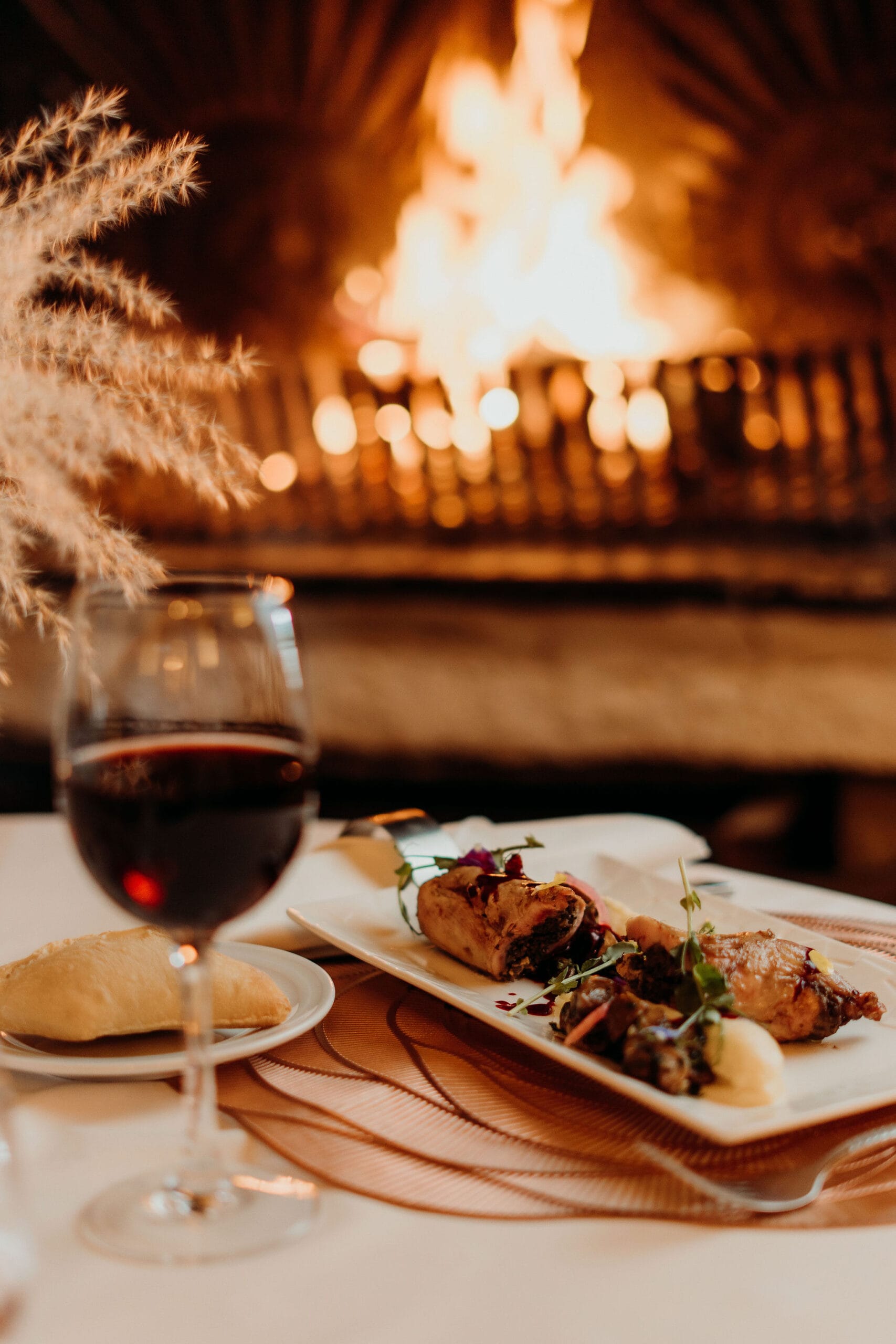
The Var is also a crossroads: nearby Italian influences, a Mediterranean spirit, and a respect for ingredients that brings some tables closer to market cuisine. Here you will find modern interpretations of aioli, rock-fish broths infused with herbs, fire-cooked aged meats, and desserts centered on fruit and freshness. The idea is not to pile on techniques, but to bring out an obvious truth: here, the terroir almost speaks for itself—as long as it is listened to.
At the heart of the estates: when the table engages with the vineyards
Meeting chefs in the Var often means entering an estate where cuisine and wine respond to one another. The experience then takes on a special depth: a walk through the vineyards, the scent of pine trees, the late-afternoon light, followed by a table that explores pairings beyond the simple red with meat, white with fish. Chefs adjust sauces, reductions, condiments, and even serving temperatures to complement the structure of a crisp rosé, an aromatic white, or a spicy red.
To explore this estate + gastronomy dimension, an excellent starting point is to seek out a gourmet hotel restaurant in the Var where one can grasp, in a single place, the harmony between landscapes, cellar, cuisine, and the art of hospitality. In this type of establishment, meeting the team—sommelier, chef, pastry chef—highlights the painstaking craftsmanship behind the pairings: a dish built around olive oil and citrus may be designed to awaken the minerality of a white wine, while herb-roasted meat pairs with the structure of a deeper red.
Need a room? Book directly!
Exceptional dining: the full-scale experience
The Var is home to restaurants that bring together everything a gastronomy enthusiast seeks: technical mastery, creativity, choreographed service, a well-stocked cellar, and above all, a tasting experience that lingers. These establishments are not merely restaurants: they are places of learning. By observing how the dishes follow one another, one understands the logic of a menu: alternating textures, vegetal interludes, aromatic progression, the management of richness, and a sweet finale conceived as an exit rather than a simple dessert.
Among the notable names, it is difficult not to mention La Table du Castellet: 3* Michelin Restaurant in Provence, a symbol of haute cuisine rooted in its surroundings. This type of stopover offers the chance to encounter an auteur cuisine, where every detail matters: the choice of producers, the calibration of the jus, the precision of the seasoning, and the ability to convey a clear idea on the plate. It is also an opportunity to feel the importance of service: a great restaurant is a collective narrative, carried by a team.
Abbey, bastide, chef’s residence: settings that change everything
In the Var, gastronomy is often experienced in atmospheric surroundings. An abbey, a bastide, a Provençal residence: the architecture and tranquility influence how the meal is perceived. One does not taste in the same way depending on whether one arrives via a cypress-lined road, from a hilltop village, or through a shaded garden. Meeting the chefs then takes on a more intimate dimension: one feels as though one is entering someone’s home, sharing a vision of the region rather than consuming a service.
For an experience where the elegance of the setting matches the culinary ambition, → Hostellerie de l'Abbaye de la Celle · 5-star hotel in Var is one of those addresses that embody refined Provence: an environment conducive to taking things slowly, conversation, and attentive tasting. This kind of stopover is ideal if you wish to prioritize comfort, serenity, and cuisine conceived as a celebration of the moment.
The sea on the plate: chefs, fishing, and briny flavors
The Var coast offers an immense reservoir of inspiration: rockfish, sea bream, red mullet, cuttlefish, sea urchins depending on the season, not to mention shellfish and seaweed that feature in certain contemporary cuisines. Chefs who work with these products often do so with one strong idea: to respect their briny character and avoid drowning it out. Sauces become shorter, broths clearer, and cooking more precise. A simple flavored oil, a citrus fruit, or an herb picked at the last moment is enough to enhance a perfectly cooked fish.
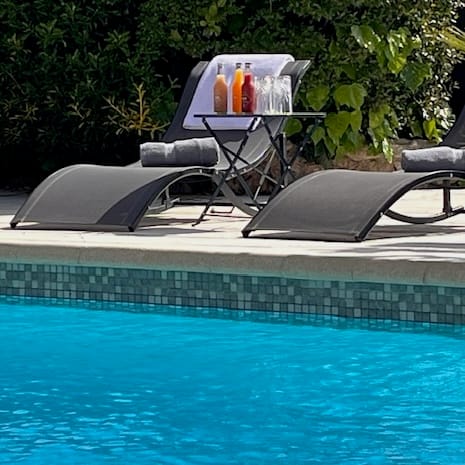
If you are looking for a package that combines sea air, hotel comfort, and a desire for beautiful plates, you can take inspiration from a Hotel Stay and Gourmet Restaurant in the Var designed to combine relaxation and culinary pleasures. It is a direct way to anchor the cuisine in its natural setting: swimming or a stroll, followed by dinner where the sea returns as an underlying thread—in a well-seasoned tartare, a skin-on grilled fish, or a tangy starter that prepares the palate.
Markets: where chefs reveal themselves
To truly meet chefs, there is more than just the restaurant dining room. The market is a theater: there, you understand what a chef means when talking about ripeness, provenance, and seasonality. Some go early, observe, discuss, and taste. You can see the difference between a fragrant tomato and one that is simply red, between a peach picked at the right time and a fruit that is too firm, between a zucchini full of sap and another that is more bland. And above all, you appreciate the role of producers: without them, there is no honest cuisine.
To extend the experience once the sun has set, the stalls sometimes transform into festive gatherings. A stroll among the most beautiful night markets in Provence perfectly complements a day of tasting: you can nibble, discover artisans, and leave with an oil, honey, spices, or a treat to share when you return. It’s also an excellent way to feel the atmosphere of the villages and understand what chefs capture in their cuisine: a simple, Mediterranean, immediate joy.
A culinary itinerary to create: roads, villages, and stops
The Var lends itself to a multi-stage journey: lunch inland, dinner near the coast, a night in a village, then another table the next day. This mobility is an asset, as it allows you to experience a variety of styles: plant-based cuisine inspired by the garrigue, a seafood-focused menu by the sea, fine dining at a wine estate, a market bistro at lunchtime.
Need a room? Book directly!
To add some breathing room to the journey, the road itself becomes part of the pleasure. Certain stretches offer panoramas that whet the appetite and make you want to stop, take photos, and breathe. To imagine a route as beautiful as it is delicious, draw on The most beautiful scenic roads in : the idea is to connect culinary stops via roads with character, and let the light of the South set the stage before dinner.
Meeting chefs, in practical terms: questions to ask and details to observe
A successful encounter often comes down to attention to detail. If you have the opportunity to talk, even briefly, here are some angles that open the conversation without forcing it: which product has recently changed the way they cook? Which local producer inspires them the most? How do they decide that a dish is finished? What, in the Var, influences their seasoning (wind, heat, fruit acidity, the strength of herbs)?
At the table, also observe the consistency: the bread and butter (or oil), how the amuse-bouches establish a direction, the role of vegetables, the handling of acidity, the temperature of the plates, and the clarity of the sauces. In grand establishments, the dining-room teams can explain a dish precisely—without overexplaining it. At more natural tables, the essentials sometimes come through simplicity: a ripe product, a sure gesture, an obvious seasoning.
Stops around Draguignan: food and the art of living
The hinterland around Draguignan is an excellent base for exploring the area: villages, estates, small roads, and restaurants where Provence is expressed with sincerity take turns. Depending on the season, you can seek out autumn produce (mushrooms, squash, game depending on the establishments), or instead enjoy summer dishes dominated by sun-ripened vegetables and fresh herbs.
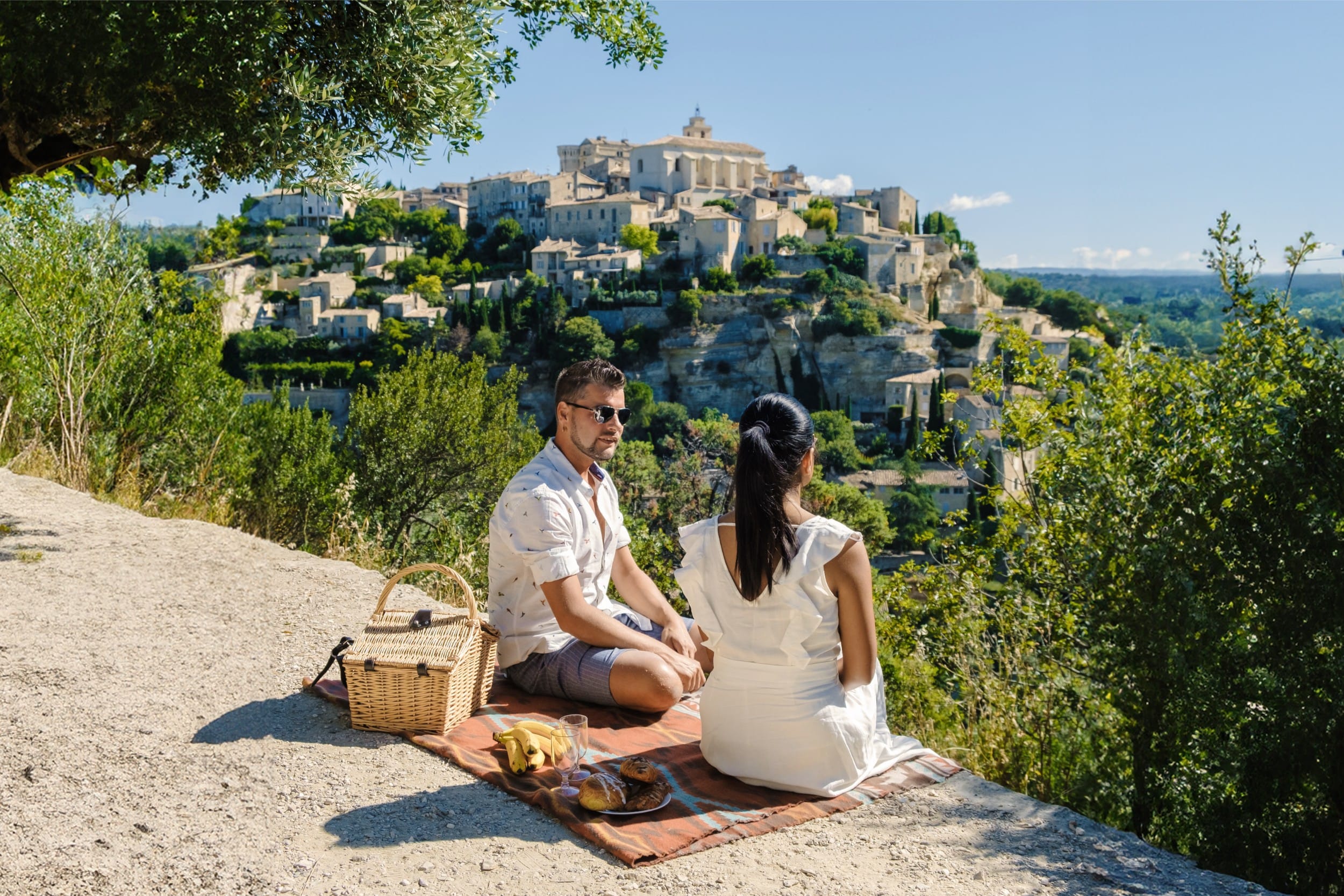
To round out a tasting itinerary with ideas for outings, walks, and local discoveries, you can consult What to do in Draguignan for the weekend?. . This is a way to balance the trip: a little heritage, a little nature, and pauses that give your palate time to rest before the next restaurant.
Pairings, wines, and conversations: the other half of the experience
In the Var, food-and-wine pairings are a natural playground. Rosés, far from the clichés, can be structured and gastronomic, capable of complementing precise cuisine. Whites bring freshness and dimension to fish, vegetables, and citrus. Reds, when served at the right temperature, pair very well with roasted meats, herb-based dishes, or even certain more substantial fish. Local chefs and sommeliers often enjoy creating surprising pairings: a more saline wine with a lightly smoked dish, a full-bodied white with poultry, or a powerful rosé with spicy yet well-balanced cuisine.
If you would like to explore further, ask for a pairing served by the glass rather than a single bottle. This allows you to follow the progression of the menu and hear the team explain the choice of producers, the philosophy of the cellar, and how the wine extends the dish. This conversation—when well conducted—is part of meeting the chefs: it reveals their intentions, their sense of balance, and their relationship with taste.
Formats for every appetite: weekends, gourmet nights, and packages
Not everyone approaches gastronomy at the same pace. Some want a great restaurant as the highlight, while others prefer to visit several simpler establishments, or combine an exceptional table with market lunches. The Var allows for these combinations, and ready-made packages are available to save time: dinner + night + breakfast, or themed programs focused on dining.
To compare ideas for food-focused packages, you can look at Weekend and gourmet getaway: Hotel offers in Var. This helps you tailor your getaway: number of nights, property level, and desired dining style, without losing sight of the essentials—the time to enjoy.
Wellness, relaxation, and indulgence: finding the right balance
A culinary journey is more intense than you might think: tastings follow one another, as do the wines, and you often walk a lot between villages, estates, and viewpoints. Building in some recovery time enhances the experience: you arrive at dinner with a fresh palate, you taste better, and you get less tired. In Var, this balance is easy to create thanks to spas, pools, gardens, and gentle activities.
Need a room? Book directly!
If you are looking for a getaway for two that perfectly complements the meals, take inspiration from a Wellness weekend for couples : the idea is simple—slow down, breathe, and return to the table with greater sensitivity. Ultimately, gastronomy is also about being receptive.
Gastronomy and activities: when the great outdoors whets the appetite
In Var, physical activity is not an afterthought: it is part of the scenery. A morning walk, a few miles on quiet roads, a moderate sporting activity, and suddenly lunch takes on a whole new dimension. The body craves something real, the taste buds awaken, and the dish becomes easier to appreciate. Many travelers therefore like to alternate: gentle exertion, followed by the pleasure of a meal.
For a distinctly Var-style version of this balance, you might consider golf and relaxation in the. Between routes, landscapes, and moments of rest, indulgence naturally finds its place, without excess, with the feeling of a fulfilling day that makes dinner even more eagerly anticipated.
Practical tips for making the most of the Var’s tables
A few habits make all the difference. Book early, especially during peak season and for highly sought-after tables. Mention your allergies and intolerances in advance: kitchens can adapt better when they have time to prepare. On the day, avoid overly strong fragrances, and save room for the menu—a lunch that is too rich can spoil dinner.
Finally, if you are a wine lover, remember to plan your travel arrangements accordingly: taxi, driver, or stops where you can stay overnight. Meeting the chefs is more relaxed when you are not watching the clock, and when the end of the meal can continue without constraints.
Booking made simple: the final step to turning desire into an experience
A culinary trip is successful when the logistics fade into the background: a smooth arrival, a comfortable room, and complete availability for the table. If you want to secure your accommodation without an intermediary, use the following link: Need a room? Book directly!.
Conclusion: the Var, a gastronomy of encounters
What stays with you, over the miles and the plates, is the chefs’ personality: their way of listening to the ingredients, telling the story of a place without unnecessary words, and connecting the sea, the vineyards, and the garrigue in a clear, expressive cuisine. In the Var, gastronomy is not merely a destination: it is a common thread linking landscapes, artisans, wines, and shared moments. And it is precisely in this encounter—with a chef, a team, a producer, an idea for a dish—that the journey acquires its true flavor.