


Central Var heritage
Central Var, a land that reveals itself in a whisper
In central Var, heritage does not impose itself like a postcard setting. It is sensed. It can be found in a carved lintel at the turn of an alley, in the coolness of a rural chapel hidden behind cypress trees, in the murmur of an irrigation canal, in the smell of sun-warmed stone amid the dry-stone terraces. Here, history has chosen discretion: it has left traces, sometimes modest ones, but surprisingly enduring.
Hidden heritage is not only what is missing from guidebooks. It is what requires taking a step aside: leaving the main routes, agreeing to slow down, entering villages during the quiet hours, listening to residents talk about a bread oven, a spring, an old mill, or a mule track. Central Var is an inland land shaped by scarce water, vineyards, olive trees, markets, and centuries of adaptation. It is this sum of details—and not a single landmark—that makes up its richness.
Hilltop villages, cool alleyways, and eloquent stones
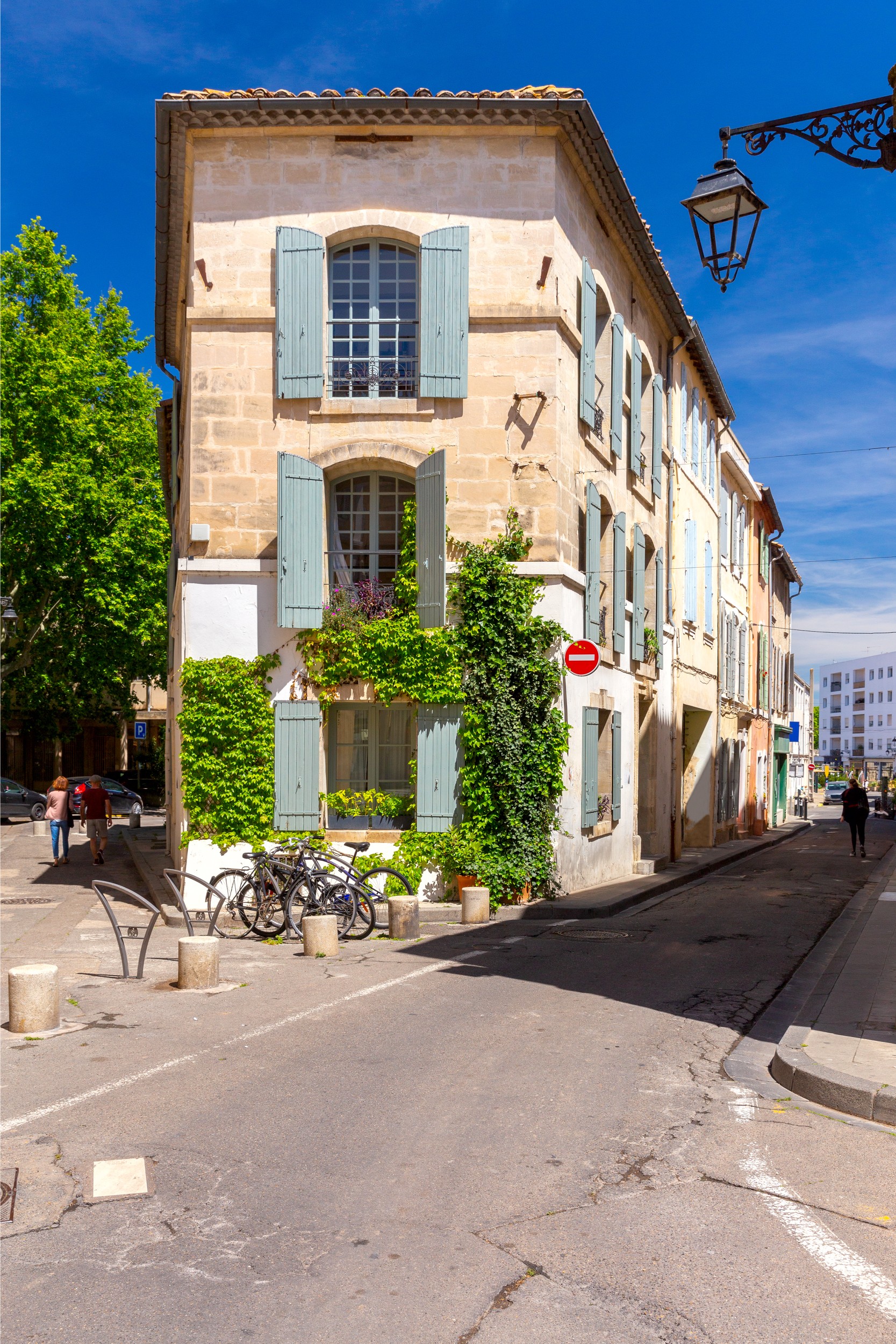
The heart of the heritage can often be read at façade level. In many villages of central Var, architecture tells a story of survival: gathering together, protecting oneself, conserving space, capturing shade. The alleyways become narrow, sometimes vaulted, to provide a corridor of coolness. Small squares emerge like breaths, around a fountain, a washhouse, or an old plane tree.

By observing carefully, you can spot older signs: reused stones incorporated into a wall, a faded coat of arms above a door, a votive niche, or frames made of local stone whose color varies depending on the quarries. The beauty lies in this patina: a mineral harmony, rarely showy, but deeply authentic.
Hidden heritage also lies in place names. The names of neighborhoods and localities (often of Provençal origin) preserve information: a former water source, a vanished activity, more fertile land, or a passageway. Looking up at a sign can sometimes be like opening a page of an archive.
Rural chapels and wayside shrines: everyday spirituality
Religious heritage is often associated with grand churches. Yet in central Var, it is often the modest buildings that make the strongest impression: hamlet chapels, isolated wayside shrines, and wayside crosses. Their location is never accidental. It marks a passage, a crossroads, a territorial boundary, or proximity to a spring.
These places had a collective function: asking for rain or keeping it away, protecting crops, invoking a saint against an illness, preserving a local memory. Many have been restored by associations, sometimes with admirable energy. Entering a rural chapel means experiencing a dense silence: that of forgotten processions, vows, calendar festivals, and agricultural seasons.
When the doors are open, you may sometimes find an ex-voto, a naive statue, a simple altar, or traces of old plasterwork. But even when closed, these chapels say something by their mere presence: a way of inhabiting the land, connecting it through familiar landmarks.
Need a room? Book directly!
Water, a discreet treasure: fountains, washhouses, canals, and springs
In the Var hinterland, water has always been a serious matter. It shaped the villages, structured the crops, and determined routes. Fountains and washhouses are not mere picturesque features: they are social infrastructure. People gathered there, exchanged news, and sometimes settled disputes.
Alongside these public uses, there is an even more discreet water heritage: small irrigation canals, ditches, retention basins, water intakes, and old sharing systems. Some can still be read in the landscape through a line of greener vegetation, a low wall following a curve, or a break in the slope. Even when they no longer function, they bear witness to a collective intelligence: capturing without depleting, distributing without wasting.
In hot periods, following the shade of a valley or canal means understanding why the old-timers built there rather than elsewhere. The hidden heritage here is utilitarian heritage that has become poetic.
Terraces, restanques, and constructed landscapes: agricultural architecture
Landscapes are often spoken of as if they were natural . In central Var, they are largely constructed. The restanques—terraces supported by dry-stone walls—were patiently built to gain arable land, retain water, and limit erosion. They draw curves and tiers that follow the contours of the hills.
Walking along these low walls means getting a sense of a history of repetitive gestures. Dry-stone masonry is an art: choosing the right stone, seating it, wedging it, and binding it through gravity and balance. It is a skill passed down through generations, often invisible because it blends into the ground. And yet these mineral lines tell the story of an entire economy, made up of small plots, mixed farming, and patience.
Amid these terraces appear cabanons, bories, shepherds’ shelters, and stone clapiers made from excavated rocks. They are markers of a dense rural life, quieter today, but still legible to those who take the time.
Mills, ovens, workshops: the memory of trades
The hidden heritage of central Var also includes the trades. In some villages, an old mill can be identified by the presence of a canal, a waterfall, or a building with distinctive openings. Elsewhere, a communal bread oven recalls an era when baking was a collective act, governed by specific days, turns, and celebrations.
Traces of workshops can still be found: a vanished forge whose sign remains, a vaulted cellar, a press preserved in a shed, or a former cooperative premises. These elements are not always visitable in the traditional sense, but they enrich a sensitive reading of the territory. They invite us to imagine the sounds of the past: hammering metal, flour, carts, and grape harvests.
What gives these remnants their strength is that they are not frozen in museography. They sometimes still live on in the background: an oven relit for a celebration, a bread-making tradition, an occasional distillation, or a market that has returned to the same little square for generations.
Flavors and know-how: when gastronomy becomes heritage
Heritage is not limited to stone. In central Var, it is also expressed on the plate: olive oils with varied profiles, distinctive wines, honey, cheeses, aromatic herbs, and sun-ripened fruit. Behind these products are gestures, seasons, soils, and family histories.
Local gastronomy is an excellent thread for discovering what lies hidden. A dish tells the story of a terroir, a technique, and an economy. A market tells of ancient routes and exchanges. A cellar, mill, or honey house often opens the door to fascinating explanations: irrigation, grape varieties, pruning, biodiversity, and adaptation to the climate.
To extend this journey through taste, you can find ideas in Gastronomic stay meeting with the chefs of, which highlights how cuisine makes the territory resonate through local products and creativity.
Forgotten trails, drovers’ roads and back roads: heritage in motion
Central Var can also be understood by walking or traveling slowly. The drailles (former transhumance routes), mule tracks, and rural roads lined with dry-stone walls and oak trees tell the story of a geography shaped by movement: linking hamlets, reaching a water source, driving livestock, going to market.
Some routes may now seem to be nothing more than walks, but they were once vital thoroughfares. They follow ridgelines to avoid wetlands, skirt valleys, and seek out passages. They often offer striking views, precisely because they were designed for efficient travel.
If you enjoy turning a journey into a heritage experience, The most beautiful scenic roads in offers inspiring ideas for connecting landscapes, villages, and contemplative stops, where heritage is discovered in fragments.
Need a room? Book directly!
Draguignan and the surrounding area: gateways to the unexpected
Central Var has practical anchor points from which to explore the area, and Draguignan can serve as a home base: you will find a town with a human scale, streets where layers of history can be glimpsed, and above all immediate proximity to lesser-known villages and sites. The appeal lies in combining time in town with quick escapes to discreet places: isolated chapels, viewpoints, estates, and shady valleys.
To organize a short stay without missing the essentials, What to do in Draguignan for the weekend? can serve as a starting point and help you weave together an itinerary of cultural discoveries, gourmet breaks, and walks.
Natural heritage and built heritage: an inseparable alliance
In central Var, nature is never far from the built environment. An old wall becomes covered in mosses and lichens, a terraced retaining wall becomes a refuge for reptiles, and a fountain attracts birds and insects. This continuity between the living and the mineral world is part of the region’s understated charm.
The forests, garrigue, pine groves, and oak woodlands offer a complementary perspective: that of traditional uses (firewood, charcoal burning, grazing) and current balances. A simple clearing in an undergrowth may be the trace of a forgotten activity. An alignment of stones may mark an old plot boundary.
Hidden heritage is thus revealed as a cultural ecology: the history of people inscribed in the cycles of the living world, and vice versa.
Relaxing without breaking the thread: the art of living as a key to understanding
Discovering understated heritage takes time, and therefore a certain gentleness of pace. In central Var, the art of living is an integral part of the experience: a nap in the shade, a late-afternoon terrace, a short but regular walk, swimming in a river when the setting is suitable, reading in peace and quiet. These are moments that open up our awareness and make us more receptive to details.
For those who wish to incorporate these discoveries into a more restful interlude, Wellness weekend for couples offers an approach focused on relaxation, ideal for alternating heritage walks with recovery.
Heritage in search of itself: archives, stories, magazines, and passing it on
Hidden heritage truly exists only if it is passed on. In central Var, this transmission takes place through associations, occasional tours, village festivals, but also through local publications that bring together stories, reference points, and avenues for discovery. These resources have particular value: they connect scattered points and inspire people to go and see for themselves.
To explore this dimension further, you can consult DISCOVERING OUR HERITAGE, a document illustrating the diversity of possible perspectives for understanding a region: testimonials, a focus on places, highlighting initiatives.
Tips for spotting the unseen (without altering it)
Discreet heritage has a vulnerability: it depends on its integration into everyday life. To enjoy it without damaging it, a few habits make all the difference. First, choose quiet times: in the morning or at the end of the day, when the light reveals the contours of the stones and when the narrow streets regain their breath. Then, accept that you can’t do everything : it’s better to stumble upon a chapel by chance than to race from one point of interest to another.
It is also useful to look at functional details: a basin, a drainage channel, a cornerstone, an engraved date. Often, heritage is hidden in what has served a purpose. Finally, respect the sites: close a gate behind you, stay on the paths, avoid entering private properties, do not move stones, and do not force a door. Discretion is a form of politeness toward the region.
Making central Var your base camp: stay overnight to see more
Hidden heritage does not reveal itself well on a quick round trip. Staying overnight allows you to enter a different sense of time: hear the bells in the distance, cross a village before it comes alive, enjoy a gentle evening, and set off early for a walk or a visit. This continuity transforms discovery into an experience and gives you access to moments you would otherwise miss.
Need a room? Book directly!
If you are looking for a simple solution to organize your stay, Nature and relaxation getaway in a charming hotel can help you create a pleasant setting, conducive to daytime explorations as well as peaceful returns.
And to take action when it suits you, Need a room? Book directly!
What we take away: a collection of details
Central Var is not summed up by a list of monuments. Its most precious heritage is sometimes what cannot be checked off : the smell of a fig tree in a courtyard, a worn stone at the threshold of a house, the coolness of a washhouse, the curve of a restanque, a path lined with low walls, a view suddenly opening up between two façades. This is a heritage of clues.
By looking for what lies hidden, we learn to see better. And perhaps that is the essential point: to leave with a renewed awareness of discreet places, their rhythms, and their traces. Central Var offers this lesson quietly, but with rare persistence.